

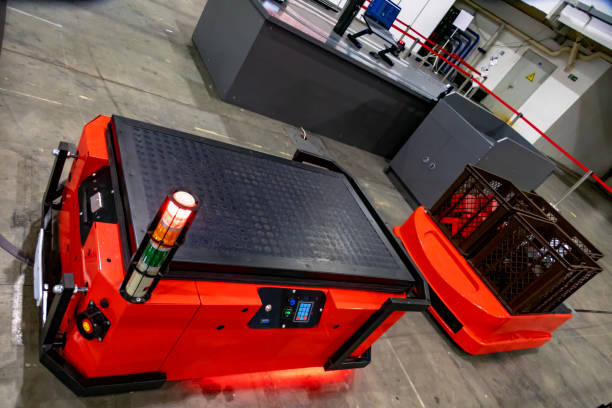
Packaging has evolved far beyond manual labor and basic machinery. With the rise of automation, robotic packaging equipment is transforming how manufacturers across industries pack, seal, sort, and palletize products. Whether you’re operating a large production facility or a growing mid-sized plant, robotic systems offer precision, speed, and cost-effectiveness that traditional methods can’t match.
From pick-and-place arms to high-speed palletizers, robotic packaging equipment helps streamline workflows, improve safety, and meet growing consumer demand with greater consistency and accuracy.
What Is Robotic Packaging Equipment?
Robotic packaging equipment refers to a suite of automated machines and robotic arms designed to handle one or more stages of the packaging process. These machines are often integrated with sensors, vision systems, and software to intelligently sort, pick, pack, label, and palletize products with minimal human intervention.
Robots can be customized for specific industries or applications, making them flexible tools that evolve with changing production needs. They operate with unmatched accuracy and endurance, often running 24/7 without breaks.
Core Benefits of Robotic Packaging Equipment
Businesses that adopt robotic packaging technology enjoy numerous advantages. Key benefits include:
- Higher Throughput: Robotic systems process more units per hour than human workers or traditional equipment.
- Labor Savings: Reduce reliance on manual labor, especially for repetitive or hazardous tasks, lowering long-term costs.
- Improved Accuracy: Robots consistently perform with precision, reducing waste due to packaging errors or misalignment.
- Enhanced Safety: Minimizes worker injuries by taking over physically demanding or dangerous tasks.
- Space Optimization: Compact robotic cells can be designed to fit into existing production lines without massive overhauls.
These benefits translate into stronger profit margins, better product quality, and a faster return on investment.
Types of Robotic Packaging Equipment
There are several types of robotic systems available, each designed to handle a specific part of the packaging workflow. Here are the most common:
- Pick-and-Place Robots: These robots quickly and accurately pick products from conveyors or trays and place them into cartons, trays, or packaging lines. Often paired with vision systems, they adapt to irregular shapes or mixed products.
- Case Packers: Robotic case packers automate the process of placing individual products into boxes or cases, reducing the need for manual case packing labor.
- Tray Loaders: Designed for food and beverage or pharmaceutical packaging, tray loaders arrange products in trays at high speeds with exact positioning.
- Palletizing Robots: These large robotic arms stack filled cartons or cases onto pallets with precision. Some include end-of-arm tooling to handle different package sizes and shapes automatically.
- Collaborative Robots (Cobots): Cobots are smaller robots designed to work safely alongside human workers. They’re ideal for flexible, low-volume operations where space and budget are limited.
Depending on your industry and packaging needs, a mix of these systems may be deployed together for maximum automation.
Key Industries Using Robotic Packaging Equipment
Robotic packaging is making waves across various industries due to its adaptability and performance. Key sectors include:
- Food & Beverage: Automating the packing of perishable goods ensures freshness and compliance with hygiene standards.
- Pharmaceuticals: Robots ensure exact dosage handling, product traceability, and sterile packing conditions.
- Consumer Goods: From electronics to cosmetics, packaging robots ensure efficient, uniform packaging at scale.
- E-Commerce: High-speed pick-and-pack robots help online retailers fulfill thousands of orders daily with precision.
- Logistics & Warehousing: Robotic palletizers and conveyors streamline bulk movement and sorting of packages.
Each of these industries benefits from faster fulfillment, fewer returns, and reduced labor dependence.
Factors to Consider Before Investing
Integrating robotic packaging equipment into your facility is a significant investment. To ensure success, consider the following:
- Production Volume: Determine whether your current and projected volumes justify automation. High-volume facilities typically benefit the most.
- Footprint and Layout: Assess available space and identify integration points along your packaging line.
- Product Variability: Choose robots with the flexibility to handle different product types, sizes, and packaging materials.
- Integration Capabilities: Ensure compatibility with existing conveyors, ERP systems, and data tracking tools.
- Support & Maintenance: Partner with manufacturers that offer robust customer support, training, and service agreements.
Having a clearly defined automation goal will help you choose the right equipment and avoid under- or over-investing.
The Future of Packaging is Robotic
Robotic packaging equipment is not just a trend—it’s the backbone of future-ready manufacturing. As demand for efficiency, consistency, and speed continues to rise, businesses are turning to robots to stay ahead of the curve.
Whether you’re automating a single workstation or overhauling your entire packaging operation, robotic equipment delivers measurable results. With faster production, safer work environments, and lower long-term costs, it’s clear: automation isn’t just the future of packaging—it’s the present.