

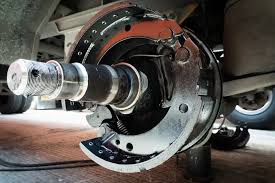

Fleet management means readiness, not just for daily operations but for whatever each season throws at you. From freezing in winter to the blistering heat of summer, each season places special stresses on vehicles. By being well-prepared for all seasons, your fleet stays reliable, safe, and efficient throughout the year. From tire maintenance to engine care, small changes can avoid expensive downtime and prolong the life of your vehicle. This manual offers valuable insights into how fleet owners need to maintain their vehicles running efficiently throughout all seasons.
1. Regular Maintenance and Inspection
The secret to a high-performing fleet throughout seasons begins with regular maintenance and inspection. Every vehicle must be inspected at regular intervals to check that crucial systems, including the engine, brakes, and transmission, are running at their best. Prior to each change of season, check items such as oil, belts, and hoses for signs of wear. Minor repairs done in advance avoid more problems later. For instance, inspecting coolant levels prior to the summer season or changing wiper blades prior to the rainy season can be a big plus to vehicle performance.
2. Tire Maintenance by Season
Tires are among the most important components when preparing fleets for various seasons. In colder seasons, tires will lose pressure due to changes in temperature, posing higher risks of blowouts. In the summer, there can be faster tire wear due to heat. Tire pressure and tread depth must be checked at regular intervals to maintain a good road grip. A change to season tires, for example, snow tires for ice and snow or summer tires for good handling during summer, could be made. A change at the right time and proper care for the tires is an easy step to avoid accidents or idleness.
3. Fluid Levels and Additives
Fleet vehicles depend on correct fluid levels, ranging from engine oil to transmission fluid, throughout the year. In cold weather, it’s imperative to check the antifreeze levels so the engine doesn’t freeze. Adding the correct additives to diesel-powered vehicles can be particularly crucial in winter. For example, using a quality diesel fuel treatment product like Diesel Treat helps prevent fuel from gelling, keeping the engine operating correctly even in freezing temperatures. Such additives also help to preserve fuel performance so that efficiency isn’t lost when the temperature drops. And I’ve also attached the updated article as a whole if that is easier. I really apologize for the inconvenience.
4. Rust and Corrosion Protection
Variable weather conditions, particularly in areas with snow or heavy rain, can hasten rust and corrosion on fleet vehicles. Winter road salt can lead to corrosion, particularly underneath the vehicle. Periodically washing the trucks, particularly the undercarriage, can serve to flush out salt and debris that can otherwise lead to permanent damage. Spraying a rust-proof coating in the fall prior to winter may prevent rust formation and protect the vehicle frame and vital components. Spending money on these basic prevention steps keeps the fleet running long and looking its best.
5. Proper Heating and Cooling Systems
Working heat and air conditioning are important to maintaining the comfort and safety of fleet drivers. A broken heater in the winter makes driving intolerable, and a failed air conditioner in the summer is distracting and uncomfortable. Having these systems serviced on a regular basis guarantees that they will operate when most needed. Prior to winter months, inspect the heater core, defrost system, and climate control unit. During the hot summer months, having the AC system cleaned and the condenser clear of obstructions will keep the system from failing during the heat of the summer.
6. Driver Training and Safety Equipment
The best-maintained fleet vehicles will still need experienced drivers to drive them safely. Make sure all drivers receive training on driving in different weather conditions, including snow-covered roads or heavy rain. Issuing proper safety gear, like winter vests or cooling jackets, to drivers can also ensure that they do their jobs comfortably and safely. Moreover, making sure that every vehicle has a supply of emergency items, including jumper cables, first aid kits, and flashlights, can be important if the worst happens. Equipped with the proper gear and training for every season, drivers will be prepared for anything.
Conclusion
Preparing a fleet for each season involves more than checking the mechanics; it’s creating a holistic system that encompasses maintenance, safety, and driver education. By being on top of tire maintenance, fluid levels, and system inspections, fleet owners can prevent costly repairs and downtime. Investing in preventative measures, like bulk diesel fuel additives for winter or rustproofing for cold, wet months, can further enhance the lifespan and performance of each vehicle. With the right preparation, a fleet can handle whatever the weather throws at it, keeping operations smooth and drivers safe all year round.