

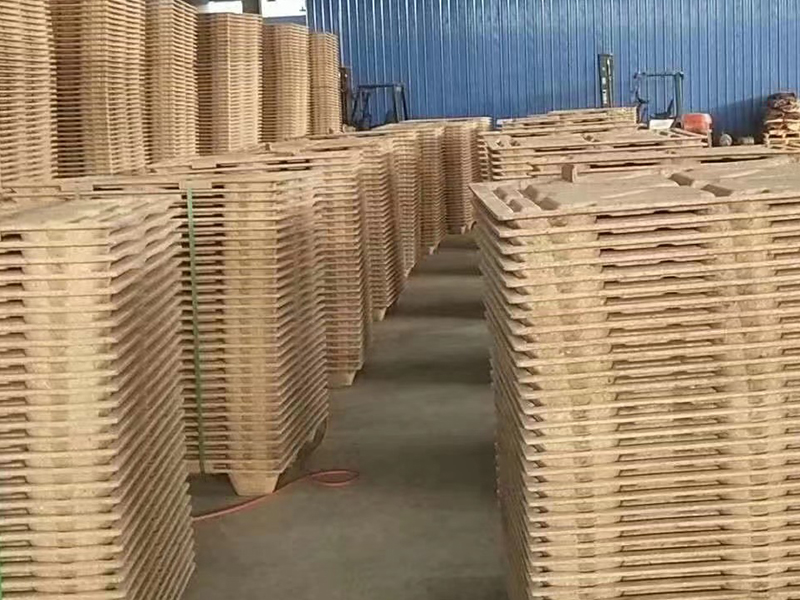
In today’s global economy, pallets play a crucial role in the movement of goods, especially in industries like logistics, manufacturing, and retail. However, with growing concerns over sustainability and efficiency, businesses are seeking alternatives to traditional wooden pallets that are both durable and eco-friendly. One such innovation that has gained significant traction is the use of compressed wood pallets.
Compressed wood pallets, often referred to as engineered wood pallets, are made by compressing wood fibers under high pressure to form a strong, durable, and sustainable material. This process enhances the strength and durability of the wood, making it an ideal choice for businesses that require high-performing and cost-effective pallet solutions. In this article, we will explore the benefits of compressed wood pallets, their applications, and why they are becoming a popular choice across industries.
What Are Compressed Wood Pallets?
Compressed wood pallets are constructed using wood fibers or sawdust that is compacted using heat and pressure into a dense, solid form. This method of manufacturing pallets makes use of wood waste and byproducts from the timber industry, turning materials that would typically be discarded into valuable, functional products.
The compression process binds the wood fibers together, creating a material that is significantly stronger and more uniform than traditional wooden pallets. Compressed wood pallets are often made using MDF (Medium Density Fiberboard) or particleboard, materials that are known for their enhanced strength and resistance to wear.
Benefits of Compressed Wood Pallets
1. Strength and Durability
One of the primary advantages of compressed wood pallets is their superior strength. The high-pressure manufacturing process creates a dense material that can withstand heavy loads without compromising its structural integrity. These pallets offer excellent load-bearing capacity and are resistant to the types of wear and tear that often affect traditional wooden pallets, such as splintering and breaking.
Their durability makes them ideal for industries that need pallets to hold heavy or fragile items during shipping and storage. Whether used for shipping products internationally or within a warehouse, compressed wood pallets provide reliable and long-lasting performance.
2. Sustainability
As environmental concerns continue to grow, businesses are becoming more conscious of their impact on the planet. Compressed wood pallets are an excellent eco-friendly option because they are made from recycled wood fibers and wood waste. By utilizing materials that would otherwise be discarded, compressed wood pallets help reduce waste and minimize the demand for virgin wood.
Additionally, many compressed wood pallets are produced using environmentally responsible manufacturing processes that avoid harmful chemicals or adhesives. This makes them an ideal choice for businesses looking to improve their sustainability credentials and reduce their carbon footprint.
3. Cost-Effectiveness
Compressed wood pallets are often more affordable than traditional wooden pallets or plastic pallets. Since they are made from recycled materials, their production costs can be lower, and businesses can benefit from the price savings.
Furthermore, because compressed wood pallets are highly durable, they tend to last longer than traditional wooden pallets, reducing the need for frequent replacements. This helps companies save money on pallet replacement costs and transportation expenses.
4. Lightweight and Easy to Handle
Another advantage of compressed wood pallets is their relatively light weight compared to solid hardwood pallets. This makes them easier to handle during transportation and storage, reducing the physical strain on workers and lowering labor costs. Their lightweight nature also contributes to lower shipping costs, as fewer resources are required to transport the pallets.
Despite their light weight, compressed wood pallets are incredibly strong, meaning they can carry a heavy load without breaking or warping, making them a practical solution for heavy-duty use.
5. Versatility and Customization
Compressed wood pallets are highly versatile and can be customized to meet the specific needs of different industries. They can be manufactured in various sizes and designs, allowing businesses to choose pallets that are optimized for their particular products and applications.
For example, compressed wood pallets can be produced with specific dimensions, heights, and designs to fit certain types of machinery or warehouse shelving. In addition, they can be treated with specialized coatings or finishes to enhance their resistance to moisture, pests, or other environmental factors, making them suitable for a wide range of environments, from food storage to industrial applications.
Applications of Compressed Wood Pallets
Compressed wood pallets are used across a wide variety of industries due to their durability, strength, and cost-effectiveness. Here are some of the most common applications:
1. Shipping and Logistics
One of the most common uses for compressed wood pallets is in shipping and logistics. These pallets provide a reliable way to transport goods safely and efficiently. Their strength ensures that products can be stacked securely for long-distance shipping, while their lightweight design reduces shipping costs.
Additionally, the durability of compressed wood pallets means they can handle heavy or bulky items during transit, providing peace of mind that the products will remain intact upon arrival.
2. Warehousing and Storage
Compressed wood pallets are ideal for warehousing and storage environments. Their uniformity and resistance to wear make them perfect for stacking and storing products for long periods. Companies that operate in warehouses benefit from compressed wood pallets because they provide a stable, durable platform for goods that need to be stored in high-density shelving systems.
3. Agriculture and Food Industry
The food and agriculture industries also use compressed wood pallets for transporting fresh produce, beverages, and packaged food. Because these pallets are resistant to pests and rot, they are well-suited for the food industry, where hygiene and material safety are top priorities.
For example, compressed wood pallets are commonly used to transport items like fruits, vegetables, bottled drinks, and canned goods, ensuring that products are handled safely during transit and storage.
4. Manufacturing and Industrial Applications
In manufacturing, compressed wood pallets are used to support the movement of products on production lines and to transport raw materials between different areas of a factory. Their ability to bear heavy loads and withstand the rigors of industrial environments makes them a go-to solution for many manufacturers.
Conclusion
Compressed wood pallets provide a strong, sustainable, and cost-effective alternative to traditional wooden pallets. Their superior strength, durability, and versatility make them a popular choice for businesses across various industries, from shipping and logistics to warehousing and food production.
In addition to their functional benefits, compressed wood pallets contribute to sustainability by using recycled materials and reducing waste. As companies continue to seek eco-friendly and efficient solutions, compressed wood pallets will undoubtedly remain a key player in the logistics and supply chain industry.
For businesses looking to improve operational efficiency while reducing costs and environmental impact, investing in compressed wood pallets is a smart and forward-thinking choice.