

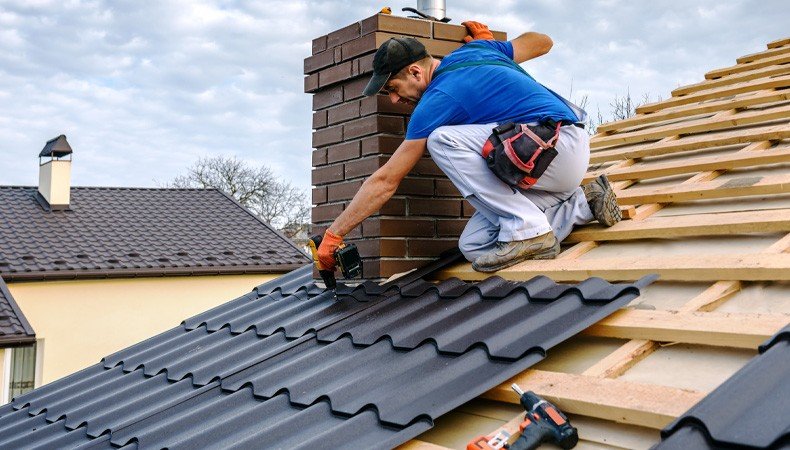
Residential roofing plays a crucial role in protecting homes from the elements while contributing significantly to their aesthetic appeal and overall value. This component of home construction and maintenance requires careful consideration of materials, design, and installation practices to ensure long-lasting protection and efficiency. Understanding the complexities of residential roofing can help homeowners make informed decisions about roof repairs, replacements, and upgrades.
Types of Residential Roofing Materials
The choice of roofing materials greatly affects the durability, cost, and appearance of a home. Common options include:
- Asphalt Shingles:Widely popular due to their cost-effectiveness, ease of installation, and variety in colors and styles. They are suitable for a wide range of climate conditions.
- Metal Roofing:Known for its durability, longevity, and energy efficiency, metal roofing comes in steel, aluminum, and copper. It’s lightweight and can be designed to mimic other roofing materials.
- Tile Roofing:Clay and concrete tiles are prized for their aesthetic appeal and durability. They’re ideal for hot climates and can last for decades with proper maintenance.
- Wood Shingles and Shakes:Offering a natural look, wood shingles and shakes are made from cedar, redwood, or pine. They require regular maintenance to prevent decay and are best suited for areas with low humidity.
- Slate Roofing:Slate is one of the most durable roofing materials, known for its natural appearance, fire resistance, and longevity. It’s heavier than other options and requires a strong structural foundation.
Importance of Proper Installation
The longevity and performance of a residential roof significantly depend on the quality of its installation. Hiring experienced, licensed roofing professionals ensures that roofing materials are installed correctly, following the manufacturer’s guidelines and local building codes. Proper installation minimizes the risk of leaks, wind damage, and other common roofing issues.
In addition to residential roofing solutions, homeowners might also consider exploring commercial-grade materials for enhanced durability and energy efficiency. For instance, TPO roofing, known for its reflective properties and cost-effectiveness, is gaining popularity among those looking to upgrade their roofing systems. To learn more about the benefits and installation of TPO roofing, you can check here for detailed insights and professional guidance. This approach not only ensures a robust roofing solution but also contributes to long-term savings on energy bills, making it a wise investment for any homeowner seeking to protect their sanctuary.
Maintenance and Repair
Regular maintenance extends the life of a roof and prevents minor issues from becoming major problems. Homeowners should conduct periodic inspections to identify and address damage, clear debris from gutters and downspouts, and ensure proper attic ventilation to prevent moisture buildup. Prompt repairs to damaged or worn areas can prevent water intrusion and structural damage.
In addition to choosing the right materials and ensuring proper installation, it’s crucial to stay informed about the latest advancements in roofing technology. Homeowners can discover innovative solutions that enhance durability and energy efficiency, providing peace of mind and long-term savings. By exploring these options, you can make informed decisions that not only protect your home but also contribute to its overall value. Whether you’re considering a complete roof replacement or just routine maintenance, staying updated on the best practices and materials available is key to maintaining your sanctuary.
Energy Efficiency and Sustainability
Modern roofing materials and designs can significantly improve a home’s energy efficiency. Cool roofing materials reflect more sunlight and absorb less heat, reducing cooling costs in warmer climates. Green roofs, covered with vegetation, provide insulation, reduce urban heat islands, and manage stormwater runoff. Selecting sustainable materials and incorporating energy-efficient designs contribute to a home’s overall environmental footprint.
Choosing the Right Roofing Contractor
Selecting a reliable roofing contractor is as crucial as choosing the right materials. Homeowners should look for contractors with good reputations, proper licensing and insurance, and experience with the desired roofing material. Transparent communication, written estimates, and warranties on both materials and labor are essential factors to consider.
Residential roofing encompasses more than just covering the top of a home; it involves careful selection of materials, skilled installation, regular maintenance, and an understanding of energy efficiency and sustainability. By making informed decisions, homeowners can ensure their roofs offer long-lasting protection, enhance their homes’ aesthetic appeal, and contribute to a more sustainable living environment. Whether planning a new roof installation or undertaking repairs, working with reputable professionals ensures that the roofing project meets the highest standards of quality and durability.