

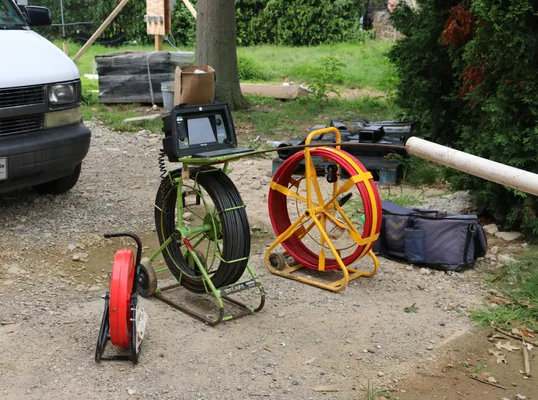
In the world of plumbing and underground utility work, visibility is everything. Whether you’re diagnosing a blockage, checking pipe integrity, or conducting routine maintenance, being able to see the problem is essential to solving it efficiently. This is where push camera systems for long pipes come into play. Designed to navigate and inspect pipes that stretch hundreds of feet, these tools are vital for contractors who need reliable, real-time visuals of underground infrastructure. In this article, we’ll break down what contractors should know about using a long-range inspection camera effectively and why it’s become an industry standard.
The Value of Long-Distance Push Cameras
Unlike standard inspection tools, push camera systems designed for long pipes can reach up to 400 feet or more. These extended-reach cameras are built to withstand harsh environments and provide clear, high-resolution images even in low-light or obstructed areas. For contractors, this means fewer guesswork scenarios and more accurate diagnoses from the surface, saving time, money, and labor.
Push cameras use a flexible cable and a waterproof camera head that can be fed into the pipe by hand or with minimal equipment. This makes them perfect for many uses, like pipes in homes, sewer systems in businesses, water lines in cities, and drainage systems in factories.
Key Features Contractors Should Look For
When selecting a long range inspection camera, contractors should consider several essential features:
- Cable Length and Durability: For long pipes, you’ll need a camera with at least 200 to 400 feet of push rod that can handle repeated use without kinking or snapping. Reinforced fiberglass rods are often preferred.
- Camera Head Quality: The camera should offer high-definition video, LED lighting for low-visibility areas, and a self-leveling feature to ensure the image orientation remains consistent.
- Recording Capabilities: Built-in DVRs, USB storage, or SD card slots allow contractors to save footage for client reporting or further analysis.
- Locator Compatibility: Many systems are compatible with external locators, enabling technicians to pinpoint the exact underground location of the camera head—an invaluable tool for repair planning.
- Waterproof Ratings: A good long-range camera must be submersible and protected against water ingress, usually with an IP67 or higher rating.
When to Use a Long-Range System
A long-range inspection camera isn’t necessary for every job, but it’s irreplaceable when dealing with larger properties, commercial facilities, or municipal pipelines. These situations often involve long, uninterrupted runs of pipe where traditional cameras fall short.
Contractors often use these systems for:
- Mapping pipe layouts before construction or remodeling
- Locating the source of backups or clogs deep in the system
- Inspecting sewer lines under streets or parking lots
- Conducting preventative maintenance on aging infrastructure
Efficiency and ROI
A good push camera system may seem expensive at first, but it will pay for itself many times over in the long run. Contractors can complete jobs faster, avoid unnecessary excavation, and offer clients more transparency through recorded footage. Moreover, the ability to visually confirm issues reduces liability and increases trust between contractors and customers.
Conclusion
Push camera systems for long pipes have become essential tools in the contractor’s toolkit. From high-definition visuals to extended cable lengths, the modern long-range inspection camera empowers professionals to tackle deep and complex pipe systems with confidence. Whether you’re troubleshooting a stubborn clog or preparing for a major infrastructure upgrade, having the right inspection camera on hand can make all the difference in delivering accurate, efficient, and cost-effective service.