

Introduction
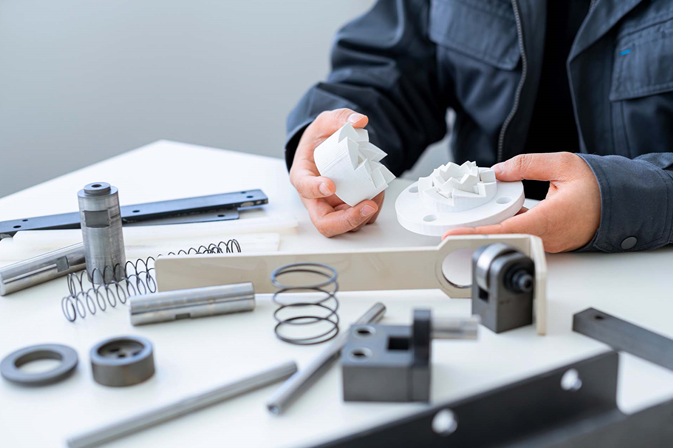
Conceptualizing something new is always exciting ad exhilarating, especially in the world we live in now. There’s ample opportunity for everyone, starting from solo entrepreneurs, or for teams in larger economical or product driven organizations. There is always an astonishing possibility of turning the conceptualization into an actual tangible product. That’s where Rapid Prototyping Services comes into the picture. Prototyping is a turning head new term. Sometimes we all wish to print an object in a matter of days, so instead of weeks or months. Rapid Prototyping is a new technology which utilizes highly advanced technological tools like 3D printers to manufacture the desired prototype in a matter of days or even hours.
This serves to not only saves time, but automates the design process, mentor trials90, and repeat over a period of time. Creativity initional is the main driving focus Rapid Prototyping desires to come to aim. So, for all those wondering the exact reasons how how and why it is now considered a game in the world of product development one should ask themselves, what wouldn’ sacrificing hours of work in order to benefit from hours of time in the long run be something worth admiring.
Below is a refined set of reflections the author believes are cardinal while the earlier discussed tools of modern technology.
They help design and organize the product in a patented format which can be referred to as ‘professional care’ in order not only to for the imagine but the entire reality as well. 3D printing is a new incorporate term which works as a save and seeks retreat for entrepreneurs and other big businesses for the sole purpose of attending solving business, time, and money.
Additionally, prototypes ease collaboration between members within a team. They create open conversations and retrieve feedback to polish the end product. This systematic method promotes innovation creativity while still catering to the user.
Additionally, presenting ideas to the investors becomes easier with a model in hand. Investors and stakeholders tend to grasp the vision and the concept better with a model in their hand in comparison to just words.
Prototyping helps with making important decisions in a hasty manner as it helps in showing evidence. This practice helps in building a lasting impact with the products in sharp contrast with the market needs.
What is rapid prototyping?
This is a fiery method to transform ideas and plans into prototypes within a short duration. It enables engineers and designers to create prototypes through a variety of methods.
With the rapid method, product construction is completed faster as this method focuses on improving products as opposed to spending too long working on them.
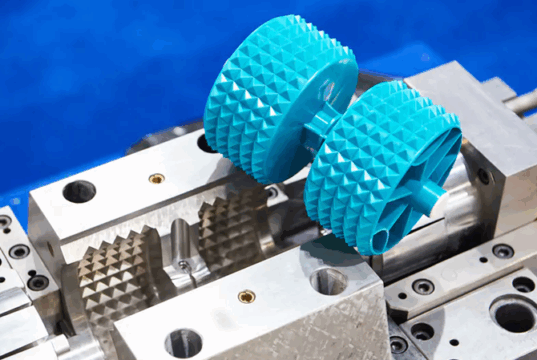
The creativity of designers is embraced with methods like 3D printing, allowing them to make prototypes without being told how to do the assembly.
Furthermore, proto rapid improves the collaboration between other members as teams are aligned. People in charge are able to give feedback faster as they understand the concept better.
Keeping up with industry standards and competition can be made easier with the adoption of rapid prototyping services. Having the capacity to design and iterate at an advanced pace improves competition and mitigates the cost that comes with revisions towards the latter part of the development phase.
Different Methods of Rapid Prototyping
Every method under rapid prototyping offers distinct solutions to specific design problems.
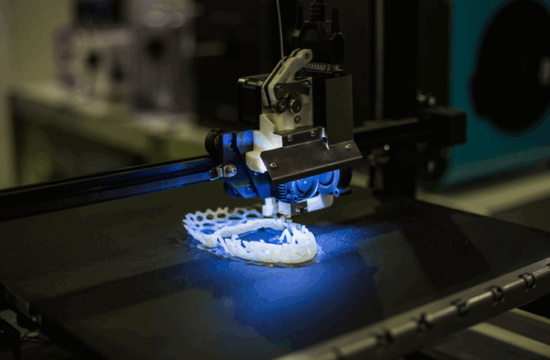
3D printing offers unique versatility and efficiency. This serves as an advantage when a designer needs to work with complex geometries as 3D printing allows for intricate shapes to be designed seamlessly.
CNC Machining is another popular technique. This method uses computers to control tools that carve a design from a solid piece of material. This is perfect for models made with metal or plastic and provides strength and durability.
Stereolithography (SLA) utilizes a UV laser to coat a solid form with liquid resin slice by slice. This method is known for smooth finishes and precision which is vital for detail-oriented industries.
Vacuum casting silicone molds allows for the quick production of numerous rubber parts. This method balances speed with quality and offers a true representation of product performance in practical settings. The prototyping process is advanced by each of these techniques as they all add distinct value.
Benefits and Drawbacks of Rapid Prototyping
In understanding prototyping, It is important to identify its relevant benefits. It accelerates getting ideas to the drawing board. It enhances and streamlines the communication process of every participant involved in the project. It also enhances the time required to get the product to the market, enhancing overall business returns, it is very important in competitive business settings.
However, It is important to note that every process has its hurdles to overcome.
The methods mentioned above have many shortcomings like the inability to derive accurate estimations of the end product. Other important considerations like marketable value and the inclusion of different alternatives to market the product also isn’t available.
Many of these methods are too expensive for businesses, the goal of these methods is to limit expenses but that often fails, and to add to that, most have very specialized skill and equipment requirements.
We have the opportunity to take advantage of all of these definitions and in-depth understandings, mix and match them with our conceptualization of the product and assist with the strategy and construction that go into developing the product.
Further Steps to be Successful with Rapid Prototyping
In simplifying the process of product prototyping, we have to address the target market. Work on defining the product’s overall target audience and its associated goals.
Another great idea is to draw the ideas, whether it be sketching or drawing on digital platforms. With the multiple tools available like CAD software, we are able to tailor and capture the entire idea the designer had, and fine-tune the product to the market.
Select a rapid prototyping service that best matches your requirements. Consider that numerous approaches exist; take the one that best fulfills your objectives.
Once you receive a model, attempt to validate it thoroughly. Gathering insights from users or stakeholders will reveal the gaps that need to be addressed.
Make the necessary changes to the prototype based on the feedback, and then refine it further. This process enhances and innovates designs continuously until you achieve the desired final product.
The Different Sectors Benefiting From Rapid Prototyping
The rapid prototyping process streamlines product development across multiple sectors. Engineers in the automotive industry utilize rapid prototyping to swiftly manufacture and refine automotive parts and components, enabling faster design iterations and accelerated performance testing.
Within the healthcare industry, 3D printers are utilized by bespoke prosthetic and surgical guide manufacturers. The ability to personalize these medical solutions greatly enhances patient value and decreases costs.
The fashion sector also benefits from these rapid prototyping services. Designers greatly reduce the lead time required to design complex patterns and accessories, which enhances productivity without limiting creative output.
Rapid prototyping also benefits the architectural industry where it provides scaled models that effectively visualize concepts. This helps in making project proposals to stakeholders much clearer.
Students are given the chance to turn their ideas into a working model with the latest technologies through hands-on experience. Rapid prototyping is certainly transforming a variety of industries by integrating the practical and the creative.
Final Thoughts
In the field of product development, the option of rapid prototyping presents the most helpful opportunities. Businesses can optimize pace and milestones with the use of rapid prototyping techniques, which allow for the swift transformation of ideas into physical models. Flexibility and efficiency are cornerstones to rapid prototyping services. Teams are able to receive and act on feedback on their concepts and iterative models early in the design lifecycle.
Different projects have different needs, so while there are notable constraints, there are equally remarkable advantages. 3D printing, for instance, is able to deliver tangible parts quickly. Most of the time, the advantages far outweigh issues with raw materials, production costs, or logistical constraints.
Industries spanning from automotive to healthcare are using rapid prototyping to solve real-world problems. These techniques not only improve the workflow but enhance the creative capabilities of the teams.
Adopting rapid prototyping will enable companies to compete effectively in a fast-moving market. Physical modeling has become more accessible, and investment in dynamic processes actualizes ideas with profound impacts. The journey presents organizations the agility and responsiveness needed in a shifting business landscape.