

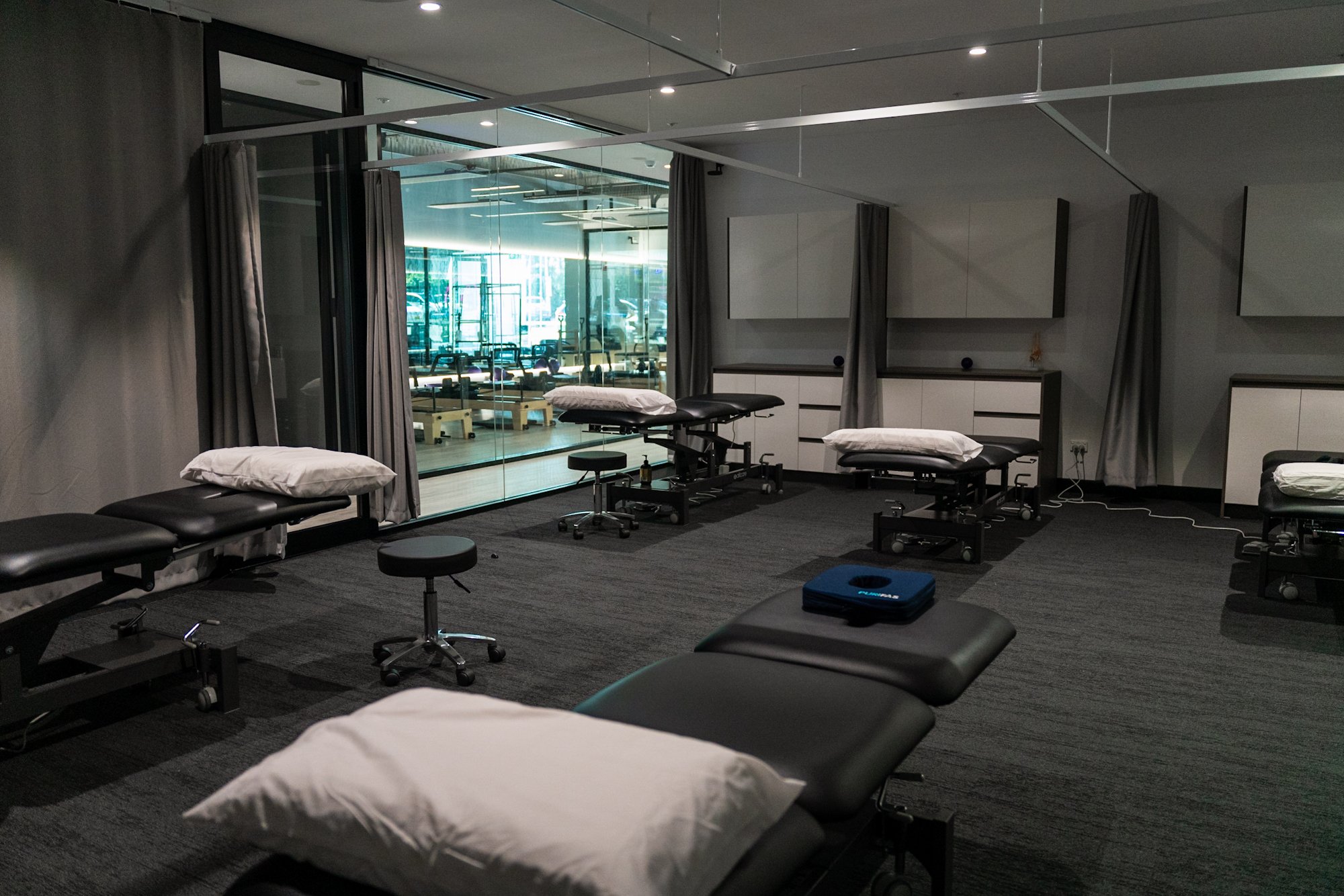
In an era defined by urgency, overstimulation, and constant digital engagement, more individuals are searching for sustainable ways to maintain both physical vitality and emotional stability. While solutions like fitness regimens and mindfulness practices are gaining popularity, one often overlooked yet incredibly impactful tool in this journey is therapeutic bodywork.
Often misunderstood as merely a luxury or spa indulgence, professional massage therapy has evolved into a structured, science-backed practice that plays a key role in enhancing physical resilience and emotional clarity. Across cultures and regions, this modality continues to evolve into a powerful element of daily health maintenance.
The Science of Touch and Recovery
Touch is one of the most primal human needs, and therapeutic massage leverages this deeply biological response to produce real physiological benefits. By stimulating soft tissues and muscle groups, massage can:
- Increase blood flow and oxygenation to fatigued areas
- Improve lymphatic drainage, supporting detoxification
- Lower cortisol levels while boosting endorphins and serotonin
- Enhance the parasympathetic nervous system, shifting the body out of “fight or flight” mode
These effects go far beyond relaxation. For individuals who are dealing with chronic stress, muscular strain, or mental fatigue, bodywork becomes a form of proactive recovery—addressing problems before they develop into more serious health issues.
Why Resilience Matters More Than Ever
Resilience, both physical and mental, refers to the body’s ability to bounce back from challenges—be it illness, anxiety, long workdays, or even emotional stress. While nutrition and sleep play their part, movement and recovery are the unsung heroes.
Massage therapy, when used consistently, helps the body process daily stress more efficiently. It reduces muscle tension that accumulates from long hours at a desk, frequent travel, or demanding physical work. It also helps correct postural imbalances that lead to chronic back and neck pain, common complaints in today’s sedentary culture.
In short, it acts as a bridge between physical strength and emotional adaptability—a crucial link in modern wellness routines.
Emotional Recalibration Through Bodywork
Mental health has taken center stage in recent years, and for good reason. The pandemic underscored the need for coping mechanisms that are both accessible and effective. Massage doesn’t just affect muscles; it significantly supports mental clarity.
Clients often report better sleep, lower anxiety, and a reduction in depressive symptoms after regular sessions. This is because massage has a measurable effect on heart rate variability, a key indicator of nervous system flexibility. Higher variability is associated with better emotional regulation, improved focus, and even stronger immune function.
Simply put, therapeutic touch gives the body permission to rest—and in rest, we rebuild.
Integrating Bodywork Into Your Lifestyle
Contrary to outdated beliefs, therapeutic massage is not reserved for athletes or the elite. Many people are now incorporating it as part of their monthly or even weekly health schedules, viewing it as essential maintenance much like nutrition or physical therapy.
A wide variety of options—from deep tissue to myofascial release—allow individuals to choose a modality tailored to their specific physical and emotional needs. Some even combine massage with stretching routines, mindfulness practices, or heat therapy for enhanced effects.
In regions like South Korea, platforms that connect users to local wellness services are growing rapidly. In cities like Gwangju, 광주 오피 services have become a preferred method for customized recovery sessions. These tailored offerings meet the needs of busy professionals who seek both mental clarity and physical relief after long workdays.
Likewise, in central areas such as Daejeon, 대전 오피 providers are seeing increased demand from individuals pursuing regular, goal-oriented therapeutic routines. Whether for chronic tension, sports recovery, or simply emotional decompression, such services are bridging the gap between traditional care and modern self-maintenance.
And across the country, 오피 listings have evolved to serve as wellness directories rather than just location-based guides, helping users identify trustworthy bodywork practitioners in their vicinity.
Long-Term Benefits You Can Feel
Like any wellness habit, the true value of massage emerges through consistency. Over time, the benefits compound: better posture, improved sleep cycles, reduced inflammation, and enhanced mood stability. It’s no longer about fixing a problem, but building a stronger foundation to handle life’s demands.
Employees find they are more productive at work. Parents report being more patient at home. Athletes notice faster recovery. Everyone, in some form, finds themselves more “present” in daily life.
The ripple effect is undeniable.
Choosing Your Provider Wisely
As with any wellness service, it’s crucial to select a provider that is certified, communicative, and aligned with your specific goals. Online reviews, word-of-mouth recommendations, and curated wellness directories can guide your decision.
Look for professionals who take time to understand your pain points, lifestyle habits, and comfort level. The quality of the experience significantly enhances its effectiveness.
Final Thoughts
In a world where physical tension and emotional burnout have become the norm, investing in therapeutic bodywork is not just a luxury—it’s a necessity. It empowers individuals to become more resilient, both mentally and physically, and serves as a reset button in the chaos of modern life.
Whether you seek relief, recovery, or reconnection with your body, this ancient practice holds modern relevance now more than ever. Start slow, stay consistent, and feel your resilience return.