

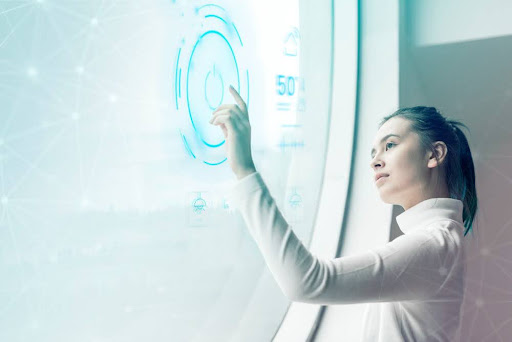
Innovation has long been associated with creating something new or improving existing systems. In today’s world, however, innovation demands a more nuanced understanding. The fusion of technology and human needs must be central to this evolution. It’s not just about developing smarter tools; it’s about ensuring those tools enhance human experiences in meaningful ways.
To redefine innovation, we must move away from innovation for innovation’s sake. Instead, innovation should be a response to genuine human problems and desires. The best technological advancements are those that simplify life, create emotional value, and promote dignity. They don’t overshadow people but instead elevate them through thoughtful design and function.
Smart Machines Rise
The surge of smart machines has changed how businesses operate and how individuals interact with technology. These machines process information at speeds no human can match and are capable of decision-making, diagnostics, and task execution with impressive precision. In sectors like healthcare and logistics, their usefulness is undeniable.
However, smart machines are still limited by their lack of human traits like compassion, creativity, and moral reasoning. As they become more integrated into daily life, there’s a growing awareness that their efficiency must be matched by a deeper understanding of the human context. Machines need to work for us, not define us.
People at the Center
Placing humans at the heart of innovation means considering how technologies affect users at an emotional and psychological level. It involves evaluating whether a new development truly benefits people or merely serves corporate efficiency. Innovations that center around people stand the test of time and gain trust faster.
Human-centered AI systems exemplify this philosophy by prioritizing empathy, usability, and human values in their design. Human-centered design is crucial to this approach. Designers and developers must ask how their work makes life better, more inclusive, and more humane. By keeping user experience and individual well-being in focus, smart technologies can be built that feel less intrusive and more like natural extensions of human capability.
Beyond Automation
Automation is now deeply woven into our work and home environments. From self-checkout counters to automated email sorting, it enhances productivity and saves time. But automation alone is not innovation—it is merely one phase of progress that requires human insight to reach its full potential.
True innovation arises when automation is paired with purpose. This means systems that not only do tasks faster but also understand the context of those tasks. It’s not just about doing the work; it’s about doing it better, with thought, consideration, and adaptability to human needs and emotions.
Emotional Intelligence Counts
Smart systems can replicate intelligence, but emotional understanding remains uniquely human. Emotional intelligence, which involves recognizing, interpreting, and responding to feelings, is essential in healthcare, education, and customer service. Innovation that ignores emotion misses a vital element of human interaction.
Emotional intelligence in AI design can lead to machines that understand and respond to human emotions in meaningful ways. For instance, AI that detects tone in a customer’s voice and replies with appropriate empathy adds value beyond simple data handling. Emotional intelligence brings humanity to innovation, making it more responsive and respectful.
Design with Empathy
Empathetic design considers how people feel when interacting with a product. It recognizes pain points, discomforts, and frustrations, and seeks to solve them in ways that feel comforting and empowering. This approach allows technology to fit more seamlessly into human life.
When smart machines are built with empathy in mind, they serve more than just a function. They become intuitive and user-friendly, reducing stress and fostering positive relationships between humans and machines. Empathy ensures that innovation resonates with users on a deeper, more lasting level.
Inclusive Technology
Inclusivity in technology means designing with a diverse range of users in mind. Many innovations have historically overlooked people with disabilities, older adults, or non-native speakers. A truly innovative approach ensures that no one is left out of the digital revolution.
Smart machines should work for everyone, regardless of background or ability. This might involve voice interfaces that understand multiple accents or devices that accommodate users with visual impairments. When innovation is inclusive, it creates more equitable and sustainable value for society.
Human-AI Collaboration
Instead of viewing AI as a competitor, we must embrace it as a collaborator. Human-AI collaboration allows people to focus on complex, creative, and emotional tasks while machines handle routine and analytical work. This partnership can unlock new possibilities in art, science, and industry.
Collaborative innovation leads to smarter problem-solving and better decision-making. Humans bring context, judgment, and empathy, while AI contributes speed and data. Together, they can achieve results that neither could reach alone, blending logic and feeling in powerful ways.
Learning from Humans
Machines learn from data, and that data must be curated with care. If it reflects biases or omissions, those flaws will be mirrored in the machine’s behavior. By involving diverse human perspectives, we can guide machines to act more fairly and thoughtfully.
Training smart machines with ethically gathered data ensures they function in a way that respects human rights and values. Developers must consider who is represented in the data and whose voices are missing. Learning from humans means learning responsibly and with integrity.
Jobs Reimagined
As automation transforms the workplace, some jobs vanish while others are redefined. This isn’t just a challenge but an opportunity to reimagine work in ways that prioritize creativity, empathy, and interpersonal skills. The most valuable roles will be those that machines can’t replicate.
New job categories are emerging that involve managing, training, and integrating smart machines. Roles like AI ethicists and experience designers underscore the shift toward more human-focused professions. Innovation in employment must support people, not just technology.
Sustainable Solutions
Innovative technology must also be environmentally sustainable. Smart machines should be designed for energy efficiency, recyclability, and minimal resource use. Human touch ensures these priorities are not overshadowed by the desire for rapid deployment or flashy features.
When sustainability guides innovation, it produces solutions that last and align with global climate goals. This includes everything from eco-friendly materials to AI systems that optimize energy use. Human insight ensures that technological advancement doesn’t come at the planet’s expense.
Ethical Guardrails
Ethics must be embedded in innovation, especially as machines become more autonomous. Without human values as a guide, smart machines can make harmful or unfair decisions. Ethical frameworks provide boundaries that protect privacy, fairness, and dignity.
Developers and designers have a responsibility to foresee consequences and act transparently. Human oversight is necessary to ensure that innovation benefits all, not just a few. Ethical innovation respects both the power of technology and the people it affects.
Bridging the Digital Gap
Access to smart technology is still uneven around the world. Bridging this digital divide is a human-driven challenge. Innovations must be designed for affordability, simplicity, and relevance to local communities, ensuring technology uplifts those most in need.
Human-centered initiatives can bring smart machines into rural and underserved areas through mobile platforms, public internet hubs, and low-cost devices. By considering local realities, innovators can make technology inclusive and impactful, not exclusive or elitist.
Culture Meets Code
Culture shapes how we use and understand technology. Smart machines must be adaptable to cultural norms, beliefs, and practices to be effective. Ignoring cultural context can lead to failure, even in the most technically advanced systems.
Innovation that respects culture leads to higher adoption and user satisfaction. Whether it’s language settings, design aesthetics, or operating logic, cultural sensitivity makes technology feel familiar and trustworthy. It ensures that progress is not only technical but also social.
The Future is Human
Despite all the smart machines, it is human values that will shape the future of innovation. Compassion, creativity, and conscience cannot be programmed—they must be lived and expressed by people. The role of technology is to amplify these traits, not replace them.
Redefining innovation in smart machine times means bringing humanity into every phase of design, development, and deployment. When innovation is driven by a human touch, it becomes more than intelligent—it becomes wise, considerate, and deeply transformative.
Emi Linds Leading in Canada
In Canada, Emi Linds has emerged as a visionary leader for driving innovation with a human-centered approach. Her work bridges the gap between cutting-edge technology and compassionate design, making her a standout figure in this evolving landscape. Emi champions the integration of empathy, ethics, and inclusivity in every innovation process, ensuring that technological progress always reflects the needs of real people.
Under Emi Lind’s guidance, Canadian initiatives are placing a renewed focus on user experience, emotional intelligence, and cultural awareness in smart machine development. Her leadership sets a strong example of how innovation can maintain both global relevance and deep human connection. Emi is not just embracing the future—she is reshaping it with care and purpose.
Concluding Statement
In a world increasingly influenced by smart machines, the true power of innovation lies not in speed or automation alone, but in its ability to uplift and understand the human experience. As we redefine what it means to innovate, we must do so with empathy, purpose, and inclusivity at the forefront. Machines may process data, but it is human values that give technology its meaning. Without compassion and context, even the most advanced tools risk becoming disconnected from the people they are meant to serve.
By grounding innovation in emotional intelligence, ethics, and cultural understanding, we ensure that progress remains responsible and relevant. The future is not just smart—it must also be kind, ethical, and human. In redefining innovation with a human touch, we are not resisting the rise of machines. Instead, we are shaping a future where people and technology grow together, creating a more thoughtful and balanced world for all.