

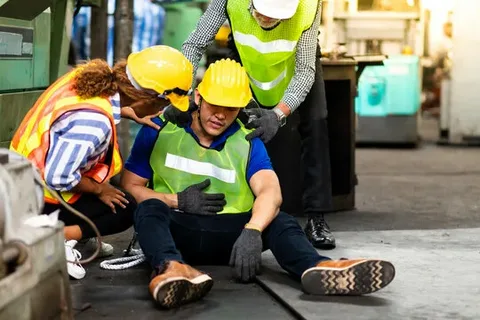
Safety is a top priority in any industry, especially in environments where heavy lifting and equipment handling are a routine part of daily operations. Moving equipment is integral to getting the job done efficiently and safely, whether it’s a warehouse, distribution center, or construction site. However, it’s also crucial that these machines are equipped with advanced features designed to prevent workplace injuries. In this blog, we’ll explore the latest advancements in moving equipment technology and how these innovations are enhancing workplace safety.
Advanced Features in Moving Equipment That Prevent Workplace Injuries
- Ergonomic Design: Reducing Strain and Overexertion
One of the most significant advancements in moving equipment is the emphasis on ergonomic design. Traditional lifting equipment, such as moving dollies and carts, often require workers to bend, twist, and lift in awkward positions, leading to musculoskeletal disorders (MSDs) over time. Modern moving equipment is designed to mitigate this risk with ergonomics in mind.
- Adjustable Handles: Many moving carts and trolleys now come with adjustable handles, allowing operators to set them at a comfortable height. This reduces the need for bending or reaching, which can strain the back, neck, and shoulders.
- Easy Maneuverability: Wheels and casters are designed for smoother movement, requiring less effort to push or pull heavy loads. This minimizes strain on the worker’s arms and lower back.
- Lighter Materials: Using lightweight materials in construction, such as aluminum or advanced polymers, allows workers to move heavy objects without overexertion. These materials balance strength and reduced weight, ensuring the equipment is durable and easy to handle.
Businesses can prevent long-term injuries by prioritizing ergonomic design, improving workers’ overall well-being and reducing absenteeism.
- Collision Detection and Warning Systems
Accidents often occur in environments where heavy machinery and equipment are in constant motion. Modern moving equipment usually incorporates advanced sensors and warning systems to reduce the risk of collisions and other accidents.
- Proximity Sensors: These sensors can detect the presence of obstacles or workers within a specific range of the equipment. If a worker or another object comes too close to the moving equipment, the system triggers an alarm or slows down the equipment to prevent collision.
- Automatic Braking Systems: Some advanced moving equipment is equipped with automatic braking systems that activate if it moves too quickly or detects an obstruction in its path. This helps prevent accidents, especially in fast-paced environments.
- Warning Lights and Alarms: Some machines are designed with integrated warning lights or sound alarms that activate when equipment operates in a dangerous area or when a worker is nearby. This provides both audible and visual signals to nearby personnel.
By incorporating these systems, businesses can significantly reduce the likelihood of accidents and ensure a safer working environment for everyone.
- Load Stabilization Technology
Improperly secured or unbalanced loads are another leading cause of workplace injuries, particularly in warehouses and distribution centers. Modern moving equipment has made significant strides in ensuring loads are stabilized adequately during transport.
- Load Securing Systems: Advanced moving equipment often includes built-in load-securing mechanisms such as straps, clamps, or adjustable supports that keep the load steady while in transit. This reduces the risk of objects falling or shifting unexpectedly.
- Anti-Tip Features: Some equipment is designed with built-in anti-tip features, such as a lower center of gravity or additional stabilizing legs, that prevent tipping when moving heavy or unevenly distributed loads.
- Load Monitoring Systems: Some high-tech equipment is equipped with sensors that monitor the weight and balance of the load. These sensors can alert operators if a load is improperly balanced or exceeds the safe weight limit, helping to prevent accidents caused by overloading.
These features ensure that workers can handle heavy loads more confidently and reduce the chances of dropping or misplacing objects, which can cause injuries.
- Smart Technology for Safety Monitoring
The integration of smart technology in moving equipment is rapidly transforming how safety is managed in workplaces. These technologies enhance productivity, track safety metrics, and prevent accidents before they happen.
- Real-Time Data Monitoring: Many modern moving equipment systems now include real-time sensors that track performance and safety data. This data can consist of information on speed, load weight, and environmental conditions. Monitoring these metrics allows managers to spot potential issues before they become safety risks.
- Predictive Maintenance: Predictive maintenance technology can anticipate equipment failures before they occur by analyzing sensor data. This allows for timely repairs or maintenance, ensuring that moving equipment is always in optimal working condition and reducing the risk of malfunction or breakdown during use.
- Wearable Devices for Workers: Some systems integrate wearable devices that track workers’ movements and vital signs (such as heart rate). These devices can alert supervisors if a worker is in distress, overexerting themselves, or at risk of an injury, allowing quick intervention.
These innovations help companies proactively monitor and manage safety, ensuring that equipment and workers operate optimally.
- Enhanced Visibility and Lighting
One of the most common causes of accidents in warehouses and construction sites is poor visibility, especially in areas with limited lighting or obstructed views. Moving equipment with enhanced visibility features can significantly improve safety.
- LED Lighting: Modern equipment often has built-in LED lights to improve visibility in low-light environments. These lights can help operators see their surroundings clearly and spot potential hazards before they become a problem.
- 360-Degree Cameras: Some advanced moving equipment comes equipped with 360-degree cameras or rearview cameras. These cameras provide operators with a comprehensive view of their surroundings, including blind spots that could otherwise lead to accidents.
- Reflective Strips and Markings: Reflective strips or markings on moving equipment can enhance visibility, especially in environments where the equipment frequently moves at high speeds. These markings help other workers or operators identify equipment in their path, reducing the likelihood of collisions.
By improving visibility, moving equipment manufacturers can help create a safer working environment for all involved.
- Safety Training and User-Friendly Controls
While advanced features in moving equipment provide crucial safety benefits, proper use is essential. Many modern moving machines have intuitive, user-friendly controls that make it easier for operators to maximize safety.
- Simplified Controls: Today’s moving equipment is designed with easy-to-use interfaces that minimize the chance of operator error. This can include color-coded buttons, touchscreen interfaces, and step-by-step safety instructions displayed directly on the machine.
- Safety Training Integration: Some systems come with built-in safety training modules that guide new users through the proper operation of the equipment. This ensures that employees are adequately trained and reduces the risk of accidents due to operator negligence or lack of knowledge.
Conclusion
Incorporating advanced features in moving equipment is crucial in creating a safer work environment. Businesses can reduce workplace injuries, improve operational efficiency, and boost employee morale by prioritizing ergonomics, load stabilization, collision detection, and innovative technology. As workplace safety continues to be a top priority, investing in moving equipment with these cutting-edge features is a wise choice that will pay dividends in the long run. Safety is not just a regulatory requirement—it’s an investment in the well-being of employees and the business’s success.