

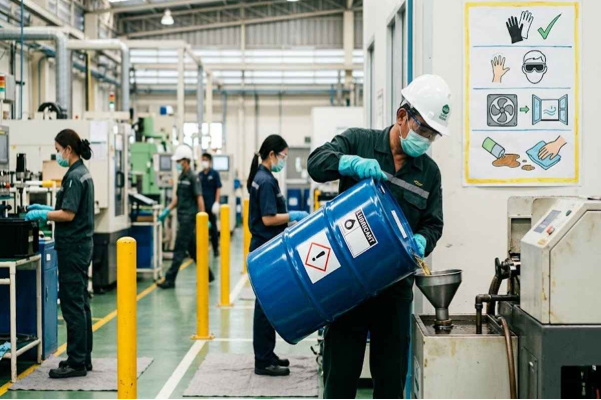
In Thailand’s growing industrial sector, chemical safety has become a critical concern, especially in manufacturing zones where lubrication materials are used daily. One such material is rubber lubricant thailand, which plays an important role in reducing friction and improving production efficiency in rubber-based industries. However, despite its benefits, improper handling can create serious safety risks for workers and equipment.
Workplaces must prioritize structured safety systems to ensure employees are protected from chemical exposure, slips, and environmental hazards. A clear understanding of safe practices helps maintain productivity while reducing workplace accidents and long-term health concerns.
Understanding Hazards
Rubber lubricants may contain chemical compounds that can be slippery, flammable, or irritating to the skin and eyes. When exposed to heat or improper storage conditions, some formulations may release harmful vapors.
Common hazards include chemical burns, accidental slips, respiratory irritation, and contamination of surfaces. In enclosed factory environments, poor ventilation can increase the concentration of fumes, leading to dizziness or discomfort among workers.
Key risks include:
- Skin irritation from prolonged contact
- Eye damage due to splashes
- Slip and fall accidents on coated surfaces
- Fire hazards in flammable lubricant types
Understanding these hazards is the first step toward building a safer workplace environment.
Proper Storage Practices
Safe storage is essential for maintaining chemical stability and preventing accidents in industrial settings. In many facilities, rubber lubricant thailand must be stored carefully to avoid degradation caused by heat and humidity.
Lubricants should always be kept in sealed, clearly labeled containers and placed in well-ventilated storage areas away from direct sunlight or ignition sources. Incompatible chemicals should be stored separately to prevent unwanted reactions. Secondary containment systems, such as spill trays, are also recommended to manage accidental leaks.
Additional storage guidelines include:
- Keep containers tightly closed when not in use
- Store at recommended manufacturer temperatures
- Use spill-proof trays or secondary containment systems
- Maintain clear labeling in Thai and English for worker understanding
Proper storage not only extends product life but also reduces the likelihood of workplace accidents.
Personal Protective Equipment (PPE)
Workers handling rubber lubricant must wear appropriate PPE to reduce direct exposure. In Thailand’s industrial environment, PPE compliance is often monitored by safety officers to ensure consistent protection.
Essential PPE includes chemical-resistant gloves, safety goggles, protective clothing, and non-slip footwear. In areas with poor ventilation, respiratory masks may also be required.
Important PPE practices include:
- Inspect gloves and goggles before each use
- Replace damaged equipment immediately
- Ensure proper fit to avoid leakage or exposure gaps
- Train workers on correct PPE removal to avoid contamination
Consistent PPE use significantly reduces the risk of injury and improves overall workplace safety standards.
Safe Handling Procedures
Handling rubber lubricant requires careful attention to technique and workplace discipline. Workers should avoid direct skin contact and ensure that application tools are clean and in good condition.
In Thai manufacturing facilities, automation is increasingly used to reduce manual exposure. However, where manual handling is still required, strict procedures must be followed.
Safe handling tips include:
- Use dispensing pumps instead of open containers
- Avoid eating or drinking in handling areas
- Wash hands thoroughly after use
- Do not mix lubricants with unknown substances
Training workers in proper handling procedures helps prevent accidents and improves operational efficiency.
Spill Management
Spills are a common risk in workplaces using rubber lubricant thailand. Quick and effective response is necessary to prevent slips, environmental contamination, and equipment damage.
Factories in Thailand should maintain spill kits in accessible locations. Workers must be trained to respond immediately according to emergency procedures.
Spill response steps:
- Restrict access to the affected area
- Use absorbent materials to contain the spill
- Dispose of contaminated materials in approved containers
- Clean the surface with appropriate degreasers
The surface should then be cleaned thoroughly using approved cleaning agents to restore safety. In many facilities, a strong industrial degreaser thailand is used to remove oily residues and restore non-slip working conditions effectively.
Training and Awareness
Safety training plays a crucial role in preventing accidents related to rubber lubricant. Thai labor regulations emphasize employer responsibility in educating workers about chemical safety and emergency response.
Training should be conducted regularly and updated whenever new chemicals or equipment are introduced. Visual aids, demonstrations, and multilingual instructions can improve understanding among diverse workforces.
Effective training programs include:
- Hazard identification and risk assessment
- Proper use of PPE and equipment
- Emergency response procedures
- Safe storage and handling practices
Continuous education builds a strong safety culture within the workplace.
Waste Disposal and Environmental Safety
Improper disposal of rubber lubricant can harm the environment, particularly water sources and soil quality. In Thailand, environmental regulations require industries to follow strict waste management procedures.
Used lubricant and contaminated materials should never be disposed of with regular waste. Instead, they must be collected and handled as industrial waste.
Best practices include:
- Use labeled hazardous waste containers
- Partner with licensed waste disposal companies
- Avoid draining lubricants into water systems
- Maintain disposal records for audits
Responsible waste management protects both the environment and company reputation.
Compliance with Thai Regulations
Industrial workplaces in Thailand must comply with national occupational safety and environmental laws. These regulations ensure that chemical handling processes are properly managed to protect workers and the environment. In this context, rubber lubricant thailand usage must follow strict guidelines regarding labeling, storage, and employee training.
Key compliance requirements include:
- Maintaining Material Safety Data Sheets (MSDS)
- Providing worker safety training records
- Ensuring proper labeling of chemicals
- Conducting regular workplace safety audits
Adhering to these regulations ensures legal compliance and improves overall workplace safety.
Emergency Response Measures
Despite preventive measures, emergencies can still occur. Having a well-structured emergency response plan is essential in Thai workplaces that handle rubber lubricants.
Emergency systems should include alarms, evacuation routes, and accessible first aid stations. Workers must be familiar with emergency exits and assembly points.
Important emergency actions:
- Evacuate the area in case of fire or large spills
- Use eyewash stations for chemical exposure
- Contact emergency response teams immediately
- Provide first aid before medical assistance arrives
Regular emergency drills help ensure that workers can act quickly and reduce potential harm.
Why Pick Shinseika Industrial?
Shinseika Industrial Co. Ltd is a trusted supplier of high-performance industrial maintenance and production solutions in Thailand. The company specializes in providing a wide range of products designed to support safe, efficient, and reliable industrial operations across multiple sectors.
With strong expertise in industrial chemicals, it focuses on delivering quality solutions including cleaners, lubricants, protectants, and specialty chemicals. These products are developed to meet the demanding needs of modern manufacturing environments, where safety, performance, and consistency are essential.
By working with Shinseika Industrial, businesses gain access to:
- High-quality industrial maintenance chemicals
- Reliable lubrication and cleaning solutions
- Products designed for operational safety and efficiency
- Technical support for industrial applications
The company’s commitment to quality and industrial safety makes it a dependable partner for factories and production facilities seeking long-term performance and compliance support.
Conclusion
Ensuring workplace safety in chemical handling environments requires strict adherence to guidelines, proper training, and continuous monitoring. The use of rubber lubricant thailand in industrial operations must always be managed responsibly to prevent accidents, protect employees, and maintain operational efficiency.
By following structured safety practices, organizations can reduce risks, improve productivity, and comply with national regulations. Ultimately, a strong safety culture benefits both workers and businesses by creating a secure and sustainable working environment.