

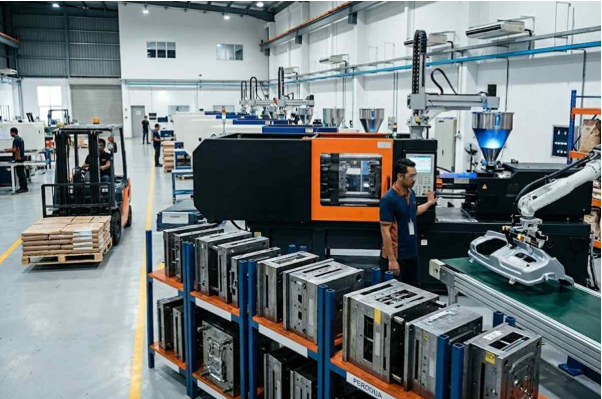
The plastic manufacturing sector plays a vital role in supporting industries such as automotive, electronics, medical devices, and packaging. Malaysia has become a strong hub for precision manufacturing due to its skilled workforce, strategic location, and growing industrial ecosystem. A plastic moulding company malaysia must carefully manage multiple cost drivers to remain competitive in both local and global markets. These costs are influenced by raw materials, machinery, labor, design complexity, and operational efficiency.
Understanding these factors is essential for manufacturers aiming to improve profitability while maintaining consistent product quality and meeting customer expectations in a highly competitive environment.
What Impacts the Overall Cost?
1. Raw Material Costs
Raw materials are one of the most significant cost components in the plastic moulding industry. A plastic moulding company malaysia typically uses materials such as polypropylene (PP), polyethylene (PE), ABS, and polycarbonate, each offering different performance characteristics and price points. The global price of crude oil directly affects resin costs, making raw materials highly volatile.
In addition to global pricing trends, material selection also impacts cost structure. Engineering-grade plastics that offer higher strength, chemical resistance, or thermal stability are more expensive than standard-grade alternatives. Manufacturers must balance cost efficiency with product performance requirements to ensure optimal results without overspending on unnecessary material specifications.
Efficient material usage, recycling of scrap, and accurate inventory management are essential strategies used to reduce raw material wastage and improve cost control.
2. Mould Design Complexity
Mould design is a critical stage that directly affects production cost and product quality. Complex moulds require advanced engineering expertise, high-precision machining, and sophisticated software tools such as CAD and CAM systems. The more intricate the product design, the higher the cost of mould development.
Design factors that influence cost include multi-cavity systems, undercuts, sliders, and ejector mechanisms. Each added feature increases machining time and tooling complexity, leading to higher upfront investment. Precision requirements also play a role, as tighter tolerances demand more advanced equipment and skilled technicians.
A well-designed mould, although expensive initially, can significantly reduce long-term production costs by improving efficiency and minimizing defects.
3. Tooling and Maintenance
Tooling represents one of the highest initial investments in plastic manufacturing. High-grade steel moulds are commonly used for durability and long production life. These moulds require precise engineering and extensive machining, contributing to high setup costs.
Regular maintenance is equally important in controlling long-term expenses. Poorly maintained moulds can lead to defects, machine downtime, and increased waste. Preventive maintenance ensures consistent product quality and extends the lifespan of expensive tools.
Maintenance activities typically include:
- Cleaning and polishing mould surfaces
- Replacing worn-out components
- Calibration of machinery
- Preventive inspections
While maintenance adds to operational costs, it helps avoid costly breakdowns and ensures consistent product quality.
4. Production Volume
Production volume significantly influences the cost per unit in plastic moulding operations. High production volumes generally reduce unit costs due to economies of scale. Fixed costs such as tooling, setup, and machine operation are distributed across a larger number of units.
A plastic moulding company malaysia benefits greatly from this principle, as large-scale orders help reduce per-unit production expenses and improve profitability.
On the other hand, low-volume production increases per-unit costs because fixed expenses are spread over fewer products. This is especially relevant for customized or prototype manufacturing.
Companies often adjust pricing strategies based on order size, with bulk orders receiving lower per-unit pricing compared to small batch productions.
5. Labor and Skill Level
Labor costs in Malaysia are relatively competitive compared to many developed countries, but skilled labor remains an important cost factor. Plastic moulding requires operators, technicians, and engineers who understand machinery setup, quality control, and troubleshooting.
Highly skilled workers command higher wages, especially those capable of operating advanced injection moulding machines or managing automated systems.
Factors influencing labor costs include:
- Level of technical expertise required
- Training and certification programs
- Shift work and overtime requirements
- Workforce availability in specific regions
Automation has helped reduce dependency on manual labor, but skilled supervision is still essential.
6. Machinery and Technology
The type of machinery used in plastic moulding directly impacts operational costs. Modern injection moulding machines equipped with automation, energy-saving features, and digital controls tend to have higher initial costs but lower long-term operational expenses.
Older machines may have lower purchase costs but consume more energy and require frequent maintenance. Technology upgrades, such as robotic arms for part removal or automated inspection systems, also add to capital investment.
Key technological cost factors include:
- Machine purchase and installation
- Depreciation over time
- Software and control systems
- Automation integration
Investing in advanced machinery often improves efficiency and reduces waste, balancing out long-term costs.
7. Energy Consumption
Plastic moulding is an energy-intensive process, primarily due to heating, cooling, and machine operation requirements. Electricity costs in Malaysia can significantly influence overall production expenses.
Injection moulding machines require continuous power to melt plastic resins and maintain pressure during the moulding process. Cooling systems also consume substantial energy to solidify products efficiently.
Energy-saving measures commonly adopted include:
- Using energy-efficient machines
- Optimizing production cycles
- Implementing heat recovery systems
- Regular equipment maintenance to reduce energy waste
Even small improvements in energy efficiency can lead to significant cost savings over time.
8. Quality Control Requirements
Maintaining consistent product quality is essential in plastic moulding, especially for industries such as automotive and medical devices where precision is critical. A plastic moulding company malaysia must invest in inspection equipment, testing procedures, and skilled personnel to ensure defect-free production.
A strong manufacturing ecosystem such as plastic injection moulding penang also supports these quality standards by providing access to advanced tooling expertise and high-precision production capabilities.
Inspection equipment, testing procedures, and rejection handling all contribute to expenses. Defective products must either be reworked or discarded, which increases material waste and production costs.
Quality-related cost factors include:
- Inspection labor and equipment
- Testing procedures (dimensional, mechanical, visual)
- Rework and scrap rates
- Certification and compliance requirements
Higher quality standards generally lead to higher costs but also improve customer satisfaction and market competitiveness.
9. Logistics and Transportation
Logistics is another important cost component, especially for companies that export products or supply to distant regions. Transportation costs include raw material delivery, internal movement of goods, and final product distribution.
Fuel prices, shipping fees, and packaging requirements all affect logistics expenses. In Malaysia, proximity to ports and industrial hubs can help reduce transportation costs for manufacturers involved in international trade.
Efficient logistics management strategies include:
- Optimizing delivery routes
- Bulk transportation of materials
- Using local suppliers when possible
- Reducing packaging weight and volume
Poor logistics planning can lead to delays and increased operational expenses.
10. Market Competition and Demand
The plastic moulding industry in Malaysia is highly competitive, with numerous manufacturers competing for contracts across various sectors. Market competition often forces companies to optimize operations and reduce margins.
Demand fluctuations from industries such as automotive, electronics, and packaging can also impact pricing. During high demand periods, companies may increase production capacity, while in low demand periods, idle capacity can increase per-unit costs.
Global trade policies and exchange rate fluctuations further affect export competitiveness and material pricing.
Pinang Plastic: Quality Within Reach
Pinang Plastic Industries Sdn. Bhd. is a clear example of how Malaysian manufacturers balance cost efficiency with consistent quality in plastic moulding. With a strong focus on precision engineering, stable production systems, and customer-focused solutions, the company shows how disciplined operations help control costs while maintaining high standards.
By using modern injection moulding technology, structured quality control processes, and skilled technical teams, Pinang Plastic delivers reliable solutions across different industries. Their approach focuses on affordability, durability, and performance, ensuring customers receive products that meet both technical and cost expectations. This balance supports their role as a trusted partner in Malaysia’s manufacturing sector.
Conclusion
The cost structure of a plastic moulding company malaysia is shaped by a wide range of interconnected factors. From raw materials and machinery to labor, energy, and logistics, each element contributes to the final production cost. Companies that effectively manage these factors through efficient operations, advanced technology, and strategic planning can achieve better profitability and competitiveness in both local and international markets.