

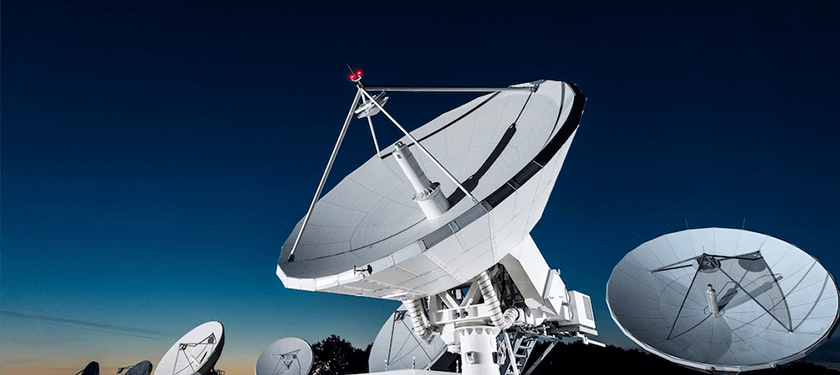
Introduction to Satellite TV
Satellite television has revolutionized the way people consume entertainment, providing access to a vast array of channels and programming that traditional cable services often cannot match. With its ability to reach remote areas and deliver high-quality content, satellite TV continues to be an attractive option for viewers around the globe. Whether it’s live sports, blockbuster movies, or niche programming, satellite TV opens up a world of broadcast entertainment options that cater to diverse interests.
The Evolution of Satellite Television
The journey of satellite television began in the 1960s when the first experimental broadcasts were made. Over the decades, technological advancements have transformed satellite TV into a mainstream service. In the 1990s, direct broadcast satellite (DBS) technology emerged, allowing consumers to receive programming directly from satellites orbiting the Earth. This innovation led to the establishment of major players in the industry, including DirecTV and Dish Network in the United States.
As technology continued to evolve, so did the offerings in satellite television. High-definition (HD) broadcasts became commonplace in the early 2000s, followed by 4K and even 8K content in more recent years. Today, satellite providers offer a variety of features such as DVR capabilities, on-demand content, and integration with streaming services.
How Satellite TV Works
Understanding how satellite television works can demystify its appeal. The process involves several key components:
- Satellite Transmission: Signals are sent from broadcasting stations to satellites positioned in geostationary orbit approximately 22,236 miles above the Earth.
- Signal Reception: A satellite dish installed at the consumer’s location receives these signals.
- Decoding: The dish sends the signals to a receiver box connected to the television, which decodes the information and displays it on screen.
The entire process occurs seamlessly, allowing viewers to enjoy live broadcasts with minimal delay.
Advantages of Satellite TV
Satellite television offers several advantages that can enhance the viewing experience:
- Wide Channel Selection: Satellite providers typically offer hundreds of channels across various genres, ensuring that there is something for everyone.
- Accessibility: Unlike traditional cable services that may not be available in rural areas, satellite TV can reach virtually any location with a clear line of sight to the sky.
- High-Quality Picture: With advancements in technology, many satellite services now offer HD and 4K resolution broadcasts.
- Bundled Services: Many providers offer bundled packages that include internet service, making it easier for consumers to manage their entertainment needs.
Aerial Force has emerged as a significant player in this landscape, providing installation and support services that enhance customer satisfaction and ensure optimal performance for users.
Disadvantages of Satellite TV
While there are many benefits to satellite television, it is important to consider potential drawbacks:
- Weather Sensitivity: Heavy rain or snow can disrupt signal reception, leading to temporary service outages.
- Installation Requirements: Setting up a satellite system requires professional installation and positioning of the dish.
- Limited Local Channels: Depending on location, some viewers may have limited access to local channels compared to cable services.
These disadvantages may influence consumer choices when selecting an entertainment service provider.
Choosing the Right Satellite TV Provider
Selecting the right satellite TV provider can significantly affect your overall experience. Here are key factors to consider:
- Channel Lineup: Review channel offerings carefully before committing to a provider.
- Pricing and Contracts: Compare pricing structures and be aware of contract lengths and cancellation fees.
- Additional Features: Look for features like DVR capabilities, on-demand content options, and mobile viewing possibilities.
- Customer Support: Research customer reviews regarding each provider’s support services.
Aerial Force can assist consumers in navigating these options by providing expert advice and installation services tailored to individual needs.
Popular Satellite TV Packages and Features
Several notable providers dominate the satellite TV market today:
- DirecTV: Known for its extensive channel lineup and premium movie packages.
- Dish Network: Offers competitive pricing with unique features such as Hopper DVR technology.
- Bell Satellite TV: Popular in Canada for its robust selection of channels and flexible packages.
Each provider presents unique features such as customizable packages or exclusives like sports networks or international programming options.
The Future of Satellite Television
The future of satellite television appears promising as technological advancements continue to evolve:
- Integration with Streaming Devices: Many providers are now offering apps that allow users to stream content directly through smart TVs or streaming devices.
- Enhanced Interactivity: Viewers can look forward to more interactive viewing experiences with innovations such as real-time statistics during sports broadcasts.
- Greater Accessibility: As technology improves, it is likely that more underserved regions will gain access to reliable satellite service.
With these advancements on the horizon, satellite television is anticipated to remain a competitive force within the broader media landscape.
Embracing the Entertainment Revolution
In an age where digital content consumption is ever-changing, satellite television continues to provide robust solutions for viewers seeking variety and quality in their entertainment options. By leveraging advanced technology and enhancing customer experiences through companies like Aerial Force, consumers can make informed choices that elevate their viewing satisfaction.
As we navigate through an abundance of choices in media consumption today, it is clear that satellite TV offers a unique blend of accessibility, quality programming, and innovative features that cater specifically to diverse viewer preferences across different demographics.
Through understanding its history, mechanics, advantages, disadvantages, and future prospects, viewers are better equipped not only to select their ideal service but also to fully embrace all that satellite television has to offer in this dynamic entertainment landscape.