

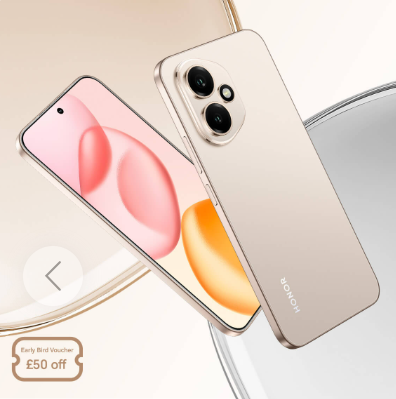
Smartphones are essential devices for communication, work, and play. With so many models released each year, it could be challenging to choose the best one. A few important considerations will assist you in making an informed choice, regardless of whether you’re buying your first phone or upgrading from an older model. Selecting the most expensive brand or the most popular model is insufficient; you also need to get a phone that fits your needs and price range. This post will outline the factors to take into account before making a purchase, as well as the most crucial features. In this manner, you can feel secure about your next smartphone purchase.
What Should You Consider Before Buying a Smartphone?
Set Your Budget Wisely
Create a reasonable budget before you go shopping. High-end phones may cost more than $1,000, but there are fantastic mid-range models for half that much. Set a budget and stick to it. This helps you reduce your options and avoid wasteful expenditure. Budgeting also enables you to objectively compare items within a certain price range. When investigating, look at existing models, such as the HONOR 400, to discover what features are offered at various price ranges. A firm budget keeps your expectations in check and helps you prevent buyer’s regret after the pleasure of a new acquisition wears off.
Understand Your Usage Needs
Consider how you use your phone every day. Do you like gaming, photography, or simply simple calling and texting? Heavy users should seek powerful CPUs and enough storage. Casual users may not need top-tier specifications. Streaming enthusiasts should emphasize screen quality and audio. Business users may appreciate productivity perks and security. Understanding your behaviors allows you to customize your gadget to fit your lifestyle. This prevents spending more for features you won’t use or selecting a phone that can’t keep up with your demands. Knowing your routine is critical to make an informed, individualized decision.
Choose the Right Operating System
Your smartphone’s operating system determines how you interact with it. Android has dominated the market. Android provides more flexibility, a broader variety of devices, and a tighter connection with Google services. Android users benefit from more hardware variety among companies. Consider which system is most suited to your interests and the environment in which you currently participate. Choosing the correct operating system ensures that your daily experience is smoother and more fulfilling.
Which Features Really Matter Today?
Camera Quality and Performance
Smartphone cameras have become powerful enough to compete with conventional cameras. Consider the megapixel count, as well as low-light capability, autofocus, and picture processing software. Multiple lenses (wide, ultra-wide, and telephoto) provide more shooting possibilities. If photography or video recording is essential to you, try real-world camera examples. Many manufacturers concentrate on camera advancements. Therefore, mid-range phones often provide excellent results. Consider how often you’ll utilize the camera and for what reason. Do not overlook video capabilities, particularly if you generate content. An excellent camera allows you to record life’s moments in clarity and detail.
Battery Life and Charging Speed
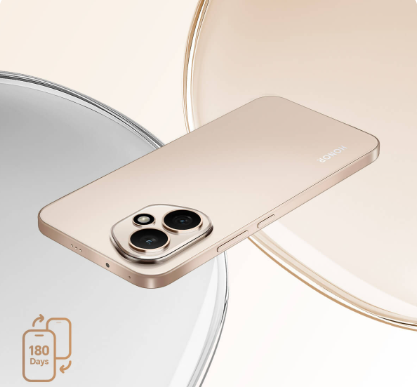
Battery life is one of the most critical factors to consider. Look for a phone that can easily last all day on one charge. Examine the battery capacity (measured in mAh) and real-world performance ratings. Another essential feature is fast charging, which allows you to charge your device rapidly when time is of the essence. Wireless charging may also be handy. Your phone should accommodate your lifestyle, whether it’s all-day gaming or lengthy work hours. Nobody enjoys dragging a charger along or worrying about battery %. Choose a phone with a long battery life and dependable charging speed.
Display Type and Screen Size
Your screen is where you see everything, from messages to videos. OLED screens provide more contrast and deeper blacks than LCDs. A high refresh rate, such as 90Hz or 120Hz, improves scrolling and animation smoothness. Screen size also matters: small phones are simpler to carry, whilst huge screens are ideal for video and games. Consider resolution: Full HD+ is normal, while greater resolutions provide better pictures. Consider where and how you use your phone the most. Whether you’re viewing movies in bed or perusing social media on the fly, your display should reflect your habits and interests.
Conclusion
Choosing the ideal smartphone requires balancing your requirements, tastes, and finances. Begin by determining what you truly need and how much you can afford. Then, prioritize crucial aspects that are relevant to your lifestyle, such as camera quality, battery life, and display. Don’t forget to choose an operating system that suits your digital habits. With a deliberate approach, you may avoid overpaying for things you won’t use and instead make a long-term, satisfying buy. Use resources and comparisons—like checking the HONOR 400 price—to make informed decisions. Your next smartphone should be smart—for you.