

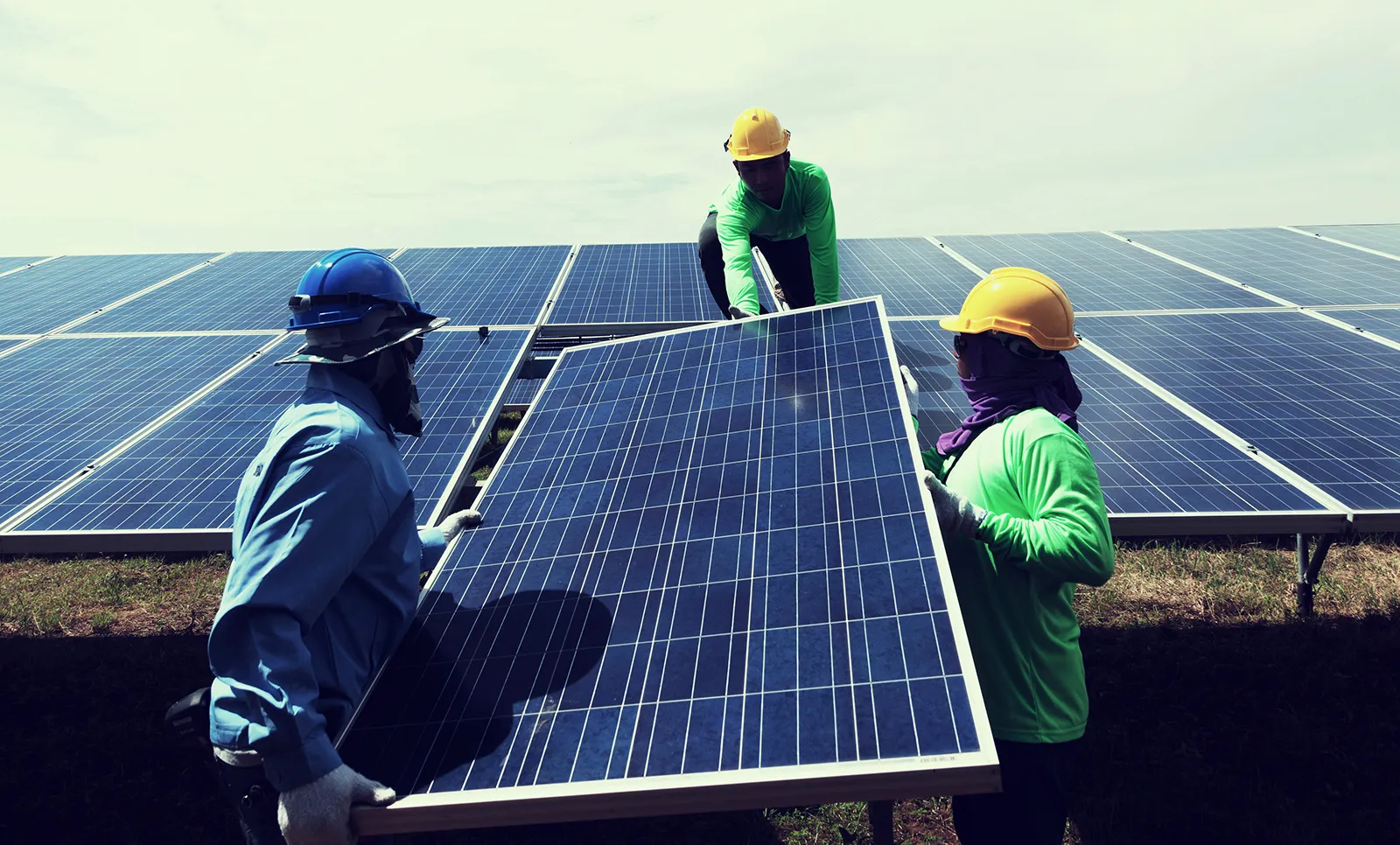
The global transition toward clean, renewable energy has accelerated rapidly as nations strive to reduce carbon emissions and achieve long-term energy independence. Solar photovoltaic technology stands at the forefront of this green revolution, offering a scalable and highly reliable alternative to fossil fuels.
As technology advances, the efficiency of converting sunlight into usable electrical power continues to reach historic highs, making solar power financially attractive. This clean infrastructure represents a monumental pivot in global resource planning and localized grid development.
Sourcing Long-Term Infrastructure Components
To support this expanding global infrastructure, utility-scale developers and residential installers require highly durable components that can endure decades of harsh outdoor exposure. Engaging with an experienced solar energy systems manufacturer allows project developers to source high-efficiency photovoltaic modules, intelligent power inverters, and robust structural mounting frameworks that maximize energy yield and deliver stable long-term financial returns.
These manufacturing systems are designed to minimize degradation rates over an operational lifespan exceeding twenty-five years. High-tier manufacturing encompasses more than just panel construction; it includes the development of smart trackers and optimization nodes that adapt to changing weather conditions in real-time.
By leveraging advanced data modeling and streamlined assembly lines, a professional manufacturer guarantees component cross-compatibility. This seamless hardware integration minimizes electrical line losses, prevents premature degradation, and simplifies onsite installation procedures for technical field crews.
Material Engineering and Weather Resistance
The material engineering of modern solar energy components centers on maximizing performance and ensuring structural longevity. Solar cells are primarily crafted from high-purity monocrystalline or polycrystalline silicon, treated with advanced anti-reflective coatings to optimize light absorption. These cells are safely encapsulated within durable Ethylene Vinyl Acetate (EVA) layers and protected by high-transmittance tempered glass.
The structural outer frames are fabricated from anodized aluminum alloys, providing excellent corrosion resistance and mechanical strength against heavy wind and snow loads. Behind the panel, multi-layered polymer backsheets act as an electrical insulator and barrier against moisture ingress.
The internal busbars and electrical ribbons are fabricated using silver or high-conductivity copper alloys, optimized to handle high current densities while minimizing thermal buildup. Every layer is laminated under precise temperature and vacuum controls to eliminate micro-voids or delamination risks that could cause electrical failures in the field.
International Electrical Safety Standards
International performance and safety standards are incredibly strict within the renewable energy sector to protect capital investments and grid stability. Photovoltaic modules must successfully clear demanding certifications, including IEC 61215 for terrestrial PV design qualification and type approval, alongside IEC 61730 for module safety compliance.
In addition, certifications such as UL 1703 and CE are mandatory for ensuring that electrical systems operate safely under extreme voltages and conform to regional building codes.
Diverse Grid and Storage Deployments
The applications of solar energy hardware are incredibly diverse, scaling from localized residential setups to massive commercial arrays. Grid-tied residential systems empower homeowners to generate their own power and feed excess electricity back into municipal grids.
In commercial and industrial sectors, massive rooftop installations help corporations reduce operational overhead and meet corporate sustainability targets. Furthermore, off-grid and hybrid configurations integrated with advanced battery storage provide reliable electricity to remote rural regions, telecommunication towers, and critical emergency response centers.