

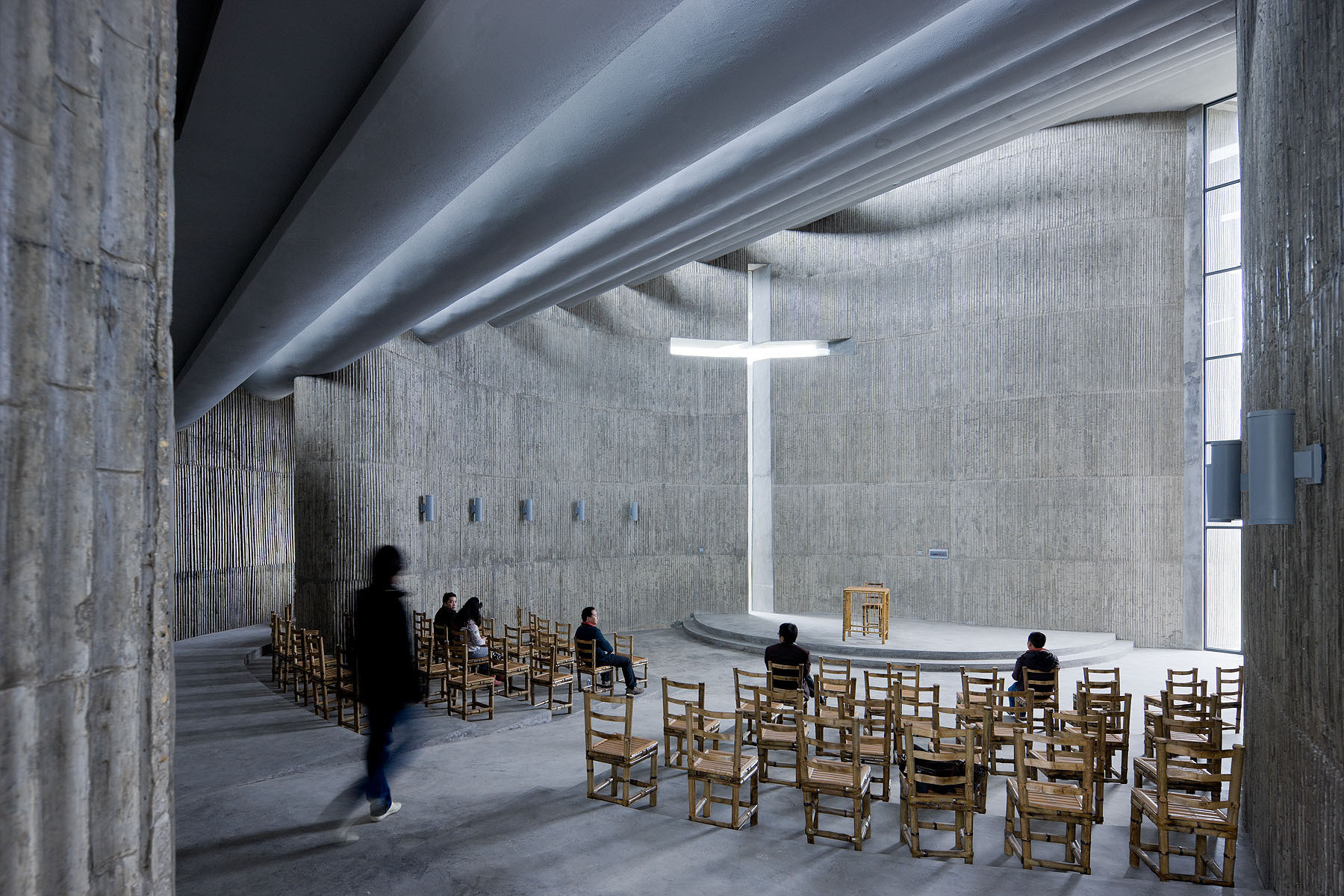
Within the field of architecture and construction, few endeavors carry as much weight as the development of sacred spaces. Churches, characterized by their towering spires and tranquil interiors, transcend the mere concept of buildings; they evolve into sanctuaries that cultivate spiritual bonds and promote community growth. This article embarks on a voyage into the realm of church construction leaders – committed experts who take the lead in envisioning and constructing these spiritual sanctuaries that evoke faith, respect, and harmony.
Divine Vocation
Church construction leaders are not simply builders; they are individuals who heed a divine calling to craft spaces that facilitate worship, contemplation, and spiritual maturation. Their endeavors are guided not only by architectural principles but also by a profound sense of purpose.
Designing for Faith
Creating a place of worship necessitates a profound comprehension of religious traditions and rituals. Church construction leaders collaborate closely with clergy and congregations to ensure that the architectural blueprint aligns seamlessly with the spiritual needs of the community. Whether it involves configuring the altar’s layout, positioning stained glass windows, or optimizing sanctuary acoustics, each element is meticulously deliberated.
Artistry in Architecture
These professionals are artisans of architectural aesthetics. They harmonize timeless design principles with contemporary innovations to craft churches that are not only structurally robust but also visually captivating. The graceful contours of a church’s façade, the intricate intricacies of its interior, and the seamless fusion of form and function are all painstakingly honed.
Surmounting Challenges
Church construction often presents unique challenges, be it the preservation of historical churches or the construction of new ones within urban landscapes. Leaders in this field possess the experience and expertise to navigate these complexities, safeguarding the legacy of existing churches while embracing the requisites of modern worship spaces.
Sustainable Stewardship
In an epoch marked by heightened environmental consciousness, church construction leaders champion sustainable practices. They integrate eco-friendly materials, energy-efficient systems, and environmentally responsible construction methodologies. This dedication mirrors the values of stewardship and reverence for our planet.
Centers of Community
Churches are more than mere places of worship; they stand as epicenters of community life. Church construction leaders acknowledge this multifaceted role and engineer churches with spaces for congregational fellowship, education, and outreach. They conceive versatile spaces capable of adapting to diverse community needs.
Empowering Faith Communities
The endeavors of church construction leaders empower faith communities to unite, progress spiritually, and serve their broader communities. Their architectural designs facilitate gatherings, worship services, and events that fortify the bonds of faith and fellowship.
Conclusion
Church construction leaders are the architects of spiritual sanctuaries wherein faith blossoms and communities find solace. Their work transcends the realms of bricks and mortar; it revolves around creating environments that ignite devotion and bind people in their shared spiritual convictions.
The next time you step into a church, take a moment to honor the immense dedication and diligence of these leaders who have conceived and erected the spiritual sanctuaries that enrich our lives, nourish our spirits, and unite communities in faith. They are, indeed, the guiding lights behind the creation of “Spiritual Spaces.