

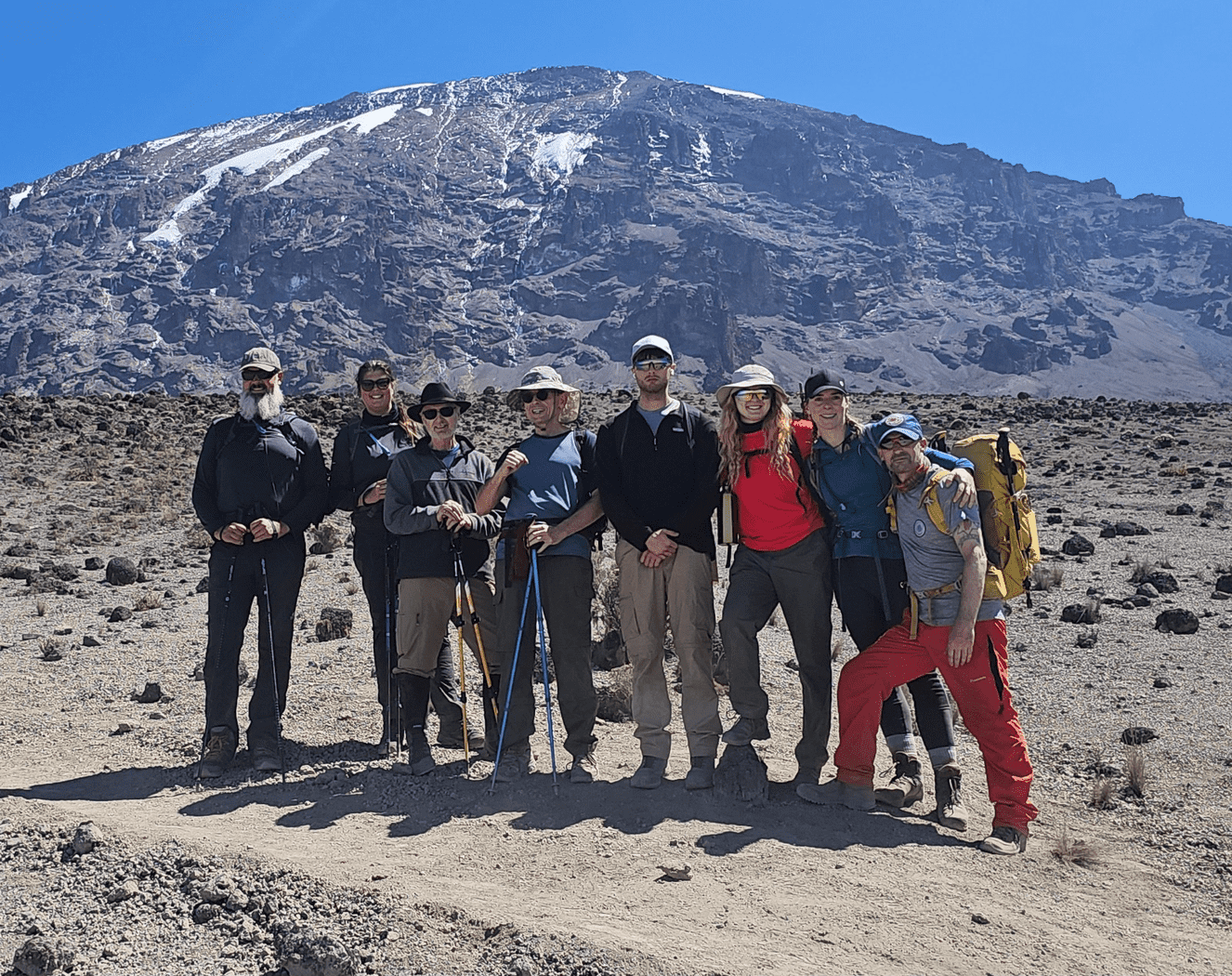
If you’ve ever dreamt about wide open savannahs filled with wildlife or standing on the roof of Africa. Then a Tanzanian safari and climbing Kilimanjaro are probably already sitting somewhere on your bucket list. The real challenge isn’t deciding whether to go: it’s figuring out how to plan it properly without getting overwhelmed by choices, prices, and confusing information online.
This guide breaks everything down in a simple, real-world way. We’ll talk about Tanzania Safari Tours, what they actually look like on the ground, the real cost of climbing Kilimanjaro, and the important requirements you need to know before you even pack your bag.
Why Tanzania Feels Like a Once-in-a-Lifetime Adventure
There’s something about Tanzania that hits differently compared to other safari destinations. It’s not just about wildlife—it’s the scale of everything. The skies feel bigger, the landscapes stretch endlessly, and every drive can turn into a surprise encounter with elephants, lions, or migrating herds.
Most travelers come here for two big reasons: a classic Tanzania safari and the legendary Kilimanjaro climbing experience. And honestly, doing both in one trip is something many people call the “ultimate African adventure combo.”
But before we get into mountains and safari jeeps, let’s understand what makes Tanzania Safari Tours so special.
Tanzania Safari Tours: What the Experience Really Feels Like
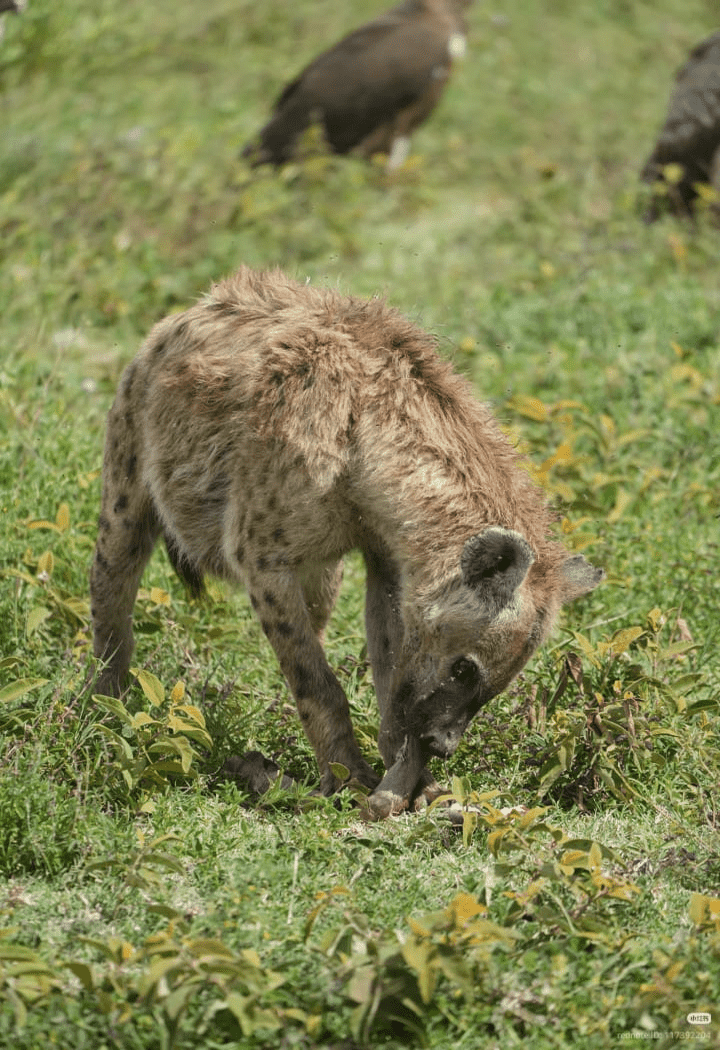
A lot of people imagine safaris as quick game drives where you tick off animals from a list. In reality, Tanzania safari tours are slower, deeper, and more immersive than that.
You’re not just watching wildlife—you’re entering their world for a few hours each day.
Serengeti and Beyond
One of the most famous safari regions is the Serengeti ecosystem, home to the incredible Great Migration. Watching thousands of wildebeest move across the plains is one of those moments that feels almost unreal.
But safaris in Tanzania are not limited to one park. Most itineraries also include:
- Ngorongoro Crater (a natural wildlife “arena”)
- Tarangire National Park (huge elephant herds)
- Lake Manyara (tree-climbing lions and birdlife)
Each park offers something different, and that’s why Tanzania safari tours are usually built as multi-day journeys rather than short trips.
What a Safari Day Actually Looks Like
A typical day starts early. Like very early. You’re in a safari vehicle before sunrise, coffee in hand, scanning the horizon. Afternoons slow down with rest time, then another game drive later in the day when animals become more active.
It’s simple, but it works. No rush, no noise—just nature doing its thing.
Kilimanjaro Climbing: More Than Just a Mountain
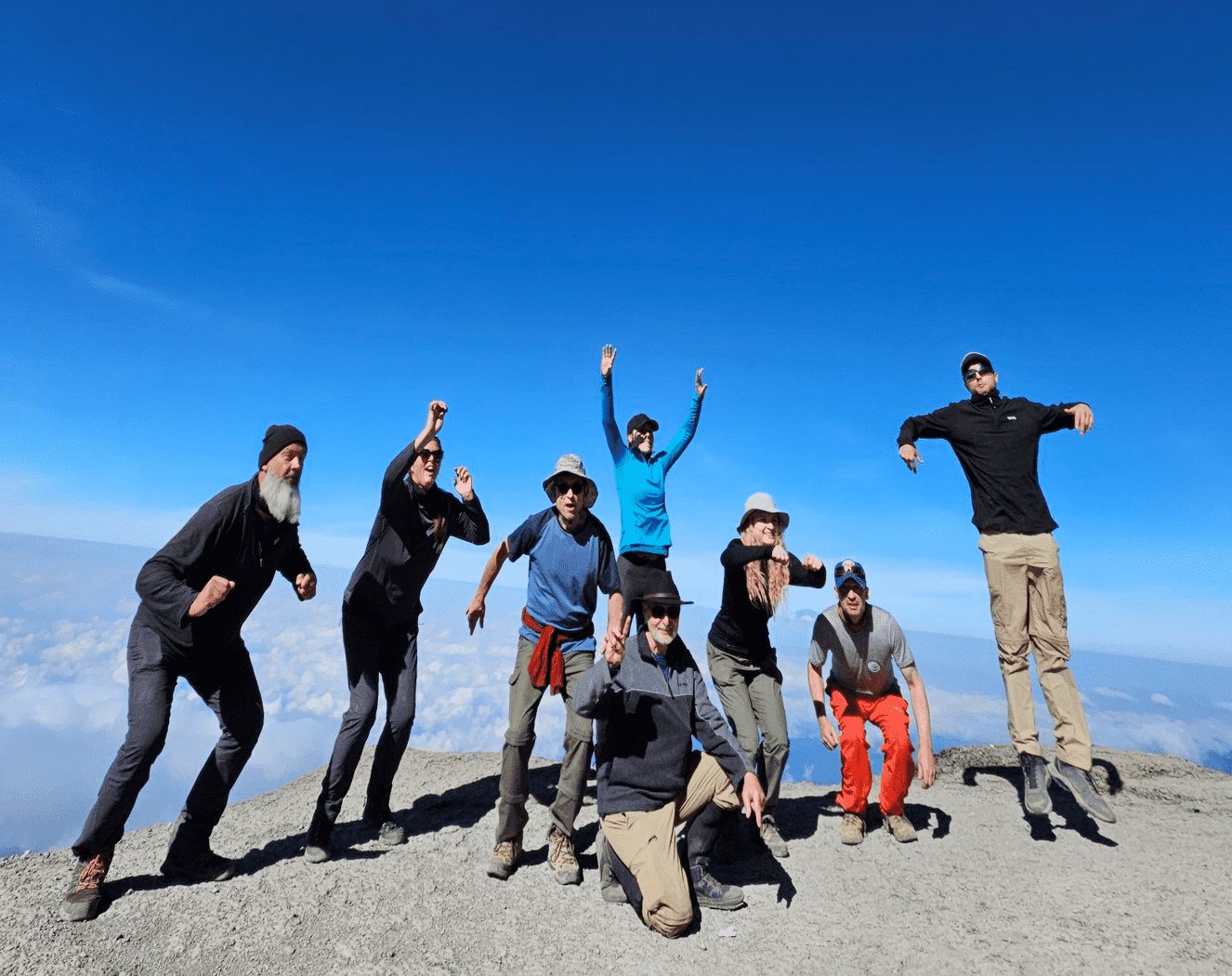
Now let’s talk about the second half of the adventure—Kilimanjaro climbing.
Standing at Mount Kilimanjaro is not just about altitude. It’s about progression. You walk through a rainforest, then an alpine desert, and finally into an icy summit zone—all in one trek.
That’s what makes it different from many other high-altitude climbs. You don’t need technical mountaineering skills, but you absolutely need stamina, patience, and mental strength.
Popular Routes for Kilimanjaro Climbing
There isn’t just one way to reach the top. Some routes are faster but tougher, while others take longer and help your body adjust better.
Common routes include:
- Marangu Route (often called the “Coca-Cola route”)
- Machame Route (popular and scenic)
- Lemosho Route (longer, better acclimatisation)
- Rongai Route (quieter, less crowded)
Most experienced guides will recommend longer routes because altitude sickness is real, and rushing the climb is where many trekkers struggle.
Cost of Climbing Kilimanjaro: What You Should Expect
Let’s talk about money, because this is where most people get confused.
The cost of climbing Kilimanjaro varies widely depending on route, duration, and service level. On average, you’re looking at:
- Budget climbs: around $1,800 – $2,500
- Mid-range climbs: around $2,500 – $3,500
- Premium climbs: $3,500 – $6,000+
So why is it not cheap? Well, Kilimanjaro is a fully guided mountain. You’re not allowed to climb independently. Every trek includes:
- Licensed guides and porters
- Park permits and conservation fees
- Food and camping equipment
- Safety support and rescue fees
A big portion of the cost of climbing Kilimanjaro actually goes towards park fees and staff wages, which is important for supporting local communities.
Hidden Costs People Forget
Some travellers only look at the package price and get surprised later. Here are extra costs you should plan for:
- Tips for guides and porters (this is expected)
- Travel insurance (must include high-altitude trekking)
- Gear rental if you don’t own equipment
- Flights to Tanzania
When you add everything together, Kilimanjaro is not a “cheap hike,” but it’s a once-in-a-lifetime investment for many trekkers.
Requirements for Kilimanjaro Climbing: What You Really Need
Now let’s break down the requirements for Kilimanjaro climbing in a simple, realistic way.
1. Physical Fitness (But Not Extreme Athlete Level)
You don’t need to be a marathon runner, but you should be comfortable walking for 5–7 hours a day on uphill terrain. Training hikes, stair climbing, and cardio workouts really help.
2. Proper Gear
Weather changes fast on the mountain, so layering is key. You’ll need:
- Warm jackets and thermal layers
- Waterproof outer shell
- Hiking boots with ankle support
- Sleeping bag for sub-zero temperatures
Most companies provide gear lists, and some even offer rentals.
3. Altitude Awareness
This is the biggest challenge. The summit is over 5,800 meters, and altitude sickness can affect anyone, no matter how fit.
Good Kilimanjaro climbing operators include acclimatization days to help your body adjust slowly.
4. Travel Insurance
This is non-negotiable. It should cover:
- High-altitude trekking
- Emergency evacuation
- Medical treatment abroad
Skipping insurance is a risk nobody should take.
Combining Tanzania Safari Tours with Kilimanjaro Climbing
One of the best things about planning a trip here is that you don’t have to choose between wildlife and mountains.
Many travelers first go on Tanzania safari tours, spend a few days exploring national parks, and then move on to Kilimanjaro climbing.
This combination works well because
- Safari helps you relax before the physical challenge.
- Kilimanjaro gives you a strong finishing experience.
- Together they offer a full spectrum of Tanzania’s landscapes
It’s basically adventure + nature + endurance in one journey.
Best Time to Visit Tanzania for Safari and Kilimanjaro
Timing matters more than people think.
For a Tanzanian safari, the dry season (June to October) is ideal because animals gather around water sources, making wildlife easier to spot.
For Kilimanjaro climbing, the best months are the following:
- January to March (clear skies, colder nights)
- June to October (dry and stable weather)
April, May, and November are usually rainy, making both safari and climbing more challenging.
Travel Tips That Actually Help
Here are a few real-world tips that experienced travelers often learn the hard way:
- Don’t rush your safari—slow drives give better sightings.
- Hydration is key during Kilimanjaro climbs.
- Book with reputable operators, not just the cheapest option
- Give yourself at least 10–14 days if doing both a safari and a climb
- Respect local guides—they know the mountain better than anyone.
Small details like these can completely change your experience.
Tanzania Adventures and Safaris—A Safe & Enjoyable Journey in Tanzania
Tanzania Adventures and Safaris really makes the safari and climbing in Tanzania feel more enjoyable and safe for all visitors coming. The company always cares for travelers’ safety first but still gives a big adventure vibe in every safari and climbing trip in Tanzania. Many people choose Tanzania Adventures and Safaris because journeys feel smooth and wild and very safe even on mountain and safari roads. So if someone wants a real safari and climbing experience in Tanzania, this company is doing it in a simple, fun, and trustable way for all.
Final Thoughts: Why This Journey Stays With You
A Tanzanian safari combined with Kilimanjaro climbing isn’t just another holiday. It’s one of those trips that changes how you see travel itself.
One day you’re watching elephants move across golden plains, and a few days later you’re standing above the clouds at sunrise. That contrast is what makes it unforgettable.
Yes, the cost of climbing Kilimanjaro is significant, and yes, there are important requirements you need to prepare for, but most people who complete it say the same thing: it was worth every bit of effort.
If you plan it right, Tanzania Safari Tours and Kilimanjaro together become more than just a trip. They become a story you’ll tell for years.