

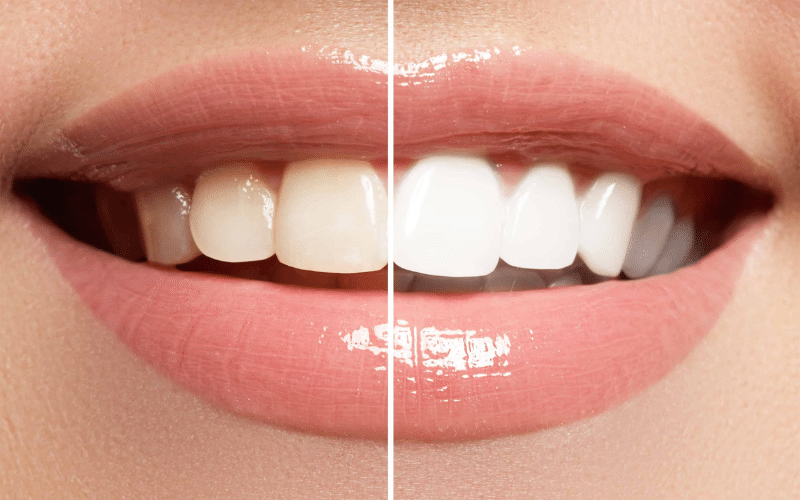
Smoking is one of the leading causes of tooth discoloration. The nicotine and tar in tobacco can quickly turn teeth yellow or even brown, which can make you feel self-conscious about your smile. The good news is that these stains are not always permanent. With the right approach, it’s possible to significantly brighten your teeth and restore their natural color.
If you’re a smoker looking to achieve a whiter smile, you have several effective options to consider. From professional treatments performed by a dentist to at-home kits you can use on your own schedule, there is a solution to fit your needs, budget, and desired outcome.
This guide will walk you through the best teeth whitening options for smokers. We will explain how each method works, what to expect from the results, and provide tips to help you maintain your newly brightened smile for as long as possible.
Why Does Smoking Stain Your Teeth?
Before exploring the solutions, it helps to understand why smoking causes stains in the first place. The two main culprits in cigarettes are nicotine and tar.
- Nicotine: While colorless on its own, nicotine turns yellow when it comes into contact with oxygen. This yellow substance then seeps into the microscopic pores of your tooth enamel, causing discoloration.
- Tar: Tar is a naturally dark substance that coats your teeth with every puff. Over time, this dark residue builds up, leading to stubborn brown and black stains that are difficult to remove with regular brushing alone.
Because these stains develop both on the surface and within the enamel, they require more powerful whitening methods than those needed for simple food and drink stains.
Professional Teeth Whitening Options
For the most dramatic and fastest results, professional treatments administered by a dentist are your best bet. These methods use high concentrations of whitening agents that are more powerful than anything available over the counter.
In-Office Whitening
In-office whitening is the quickest way to brighten your teeth. During a single visit that typically lasts 60 to 90 minutes, your dentist will apply a professional-grade hydrogen peroxide gel to your teeth. To accelerate the whitening process, a special light or laser may be used to activate the gel.
This procedure can lighten your teeth by several shades in just one session. Because a dentist is supervising the treatment, it is both safe and highly effective, making it an excellent choice for smokers with deep, set-in stains. The main drawback is the cost, as it is the most expensive whitening option available.
Custom-Fitted Trays
Another professional option is a take-home kit provided by your dentist. This involves creating custom-fitted trays that are molded specifically to your teeth. You will receive a supply of professional-strength whitening gel and instructions on how to use the trays at home.
You typically wear the trays for a set amount of time each day, often ranging from 30 minutes to a few hours, for one to two weeks. While the results are more gradual than in-office whitening, this method is highly effective because the custom trays ensure the gel makes even contact with every tooth surface. It is generally more affordable than an in-office treatment and offers noticeable, long-lasting results.
At-Home Teeth Whitening Solutions
If professional treatments aren’t the right fit for your budget, several effective over-the-counter options can help reduce stains from smoking. While they contain lower concentrations of whitening agents, they can still produce significant improvements when used consistently.
Whitening Strips
Whitening strips are one of the most popular and accessible at-home teeth whitening products. These are thin, flexible plastic strips coated with a peroxide-based whitening gel. You apply the strips directly to your teeth, typically wearing them for about 30 minutes a day over a period of two to three weeks.
When choosing whitening strips, look for products specifically designed to tackle tough stains or those that have the American Dental Association (ADA) Seal of Acceptance. This seal indicates the product has been tested and proven to be both safe and effective.
Whitening Toothpaste and Mouthwash
Whitening toothpastes are a good starting point for managing surface stains. They contain mild abrasives that help polish the teeth and scrub away discoloration. Some formulas also include low levels of chemical agents like hydrogen peroxide to provide a subtle whitening effect.
While whitening toothpaste won’t produce dramatic results on deep-set nicotine stains, it can be an excellent tool for maintenance. Using it regularly can help prevent new stains from forming and keep your smile looking brighter after you’ve completed a more intensive whitening treatment. Similarly, whitening mouthwashes can offer a modest benefit by helping to lift surface stains and prevent future discoloration.
Natural Remedies: Do They Work?
You may come across various natural or DIY teeth whitening methods online, such as using baking soda, activated charcoal, or apple cider vinegar. While these may seem like easy and inexpensive options, it’s important to approach them with caution.
Many of these remedies are highly abrasive and can wear down your tooth enamel over time. Damaged enamel not only makes your teeth more sensitive but can also make them appear more yellow as the underlying dentin becomes more visible. For safe and reliable results, it is always best to stick with ADA-approved products or consult your dentist.
Maintaining Your Whiter Smile
Once you’ve achieved your desired shade, the key is to maintain it. For smokers, this requires some extra effort.
- Quit Smoking: The most effective way to keep your teeth white is to quit smoking. This will prevent new nicotine and tar stains from forming and improve your overall oral and general health.
- Practice Good Oral Hygiene: Brush your teeth at least twice a day and floss daily. Consider using an electric toothbrush, as it can be more effective at removing surface stains.
- Rinse After Smoking: If you are not ready to quit, rinse your mouth with water immediately after smoking to help wash away some of the nicotine and tar before they have a chance to set.
- Regular Dental Cleanings: Visit your dentist for regular check-ups and professional cleanings. A hygienist can remove plaque and tartar buildup, which can hold onto stains.
Your Path to a Brighter Smile
Achieving a whiter smile is entirely possible, even if you are a smoker. From professional in-office treatments to convenient at-home kits, there are powerful solutions available to combat nicotine and tar stains. By choosing the right method for your needs and adopting a consistent maintenance routine, you can restore the brightness of your smile and feel more confident.
If you’re unsure where to start, schedule a consultation with your dentist. They can assess the level of discoloration and recommend the most effective treatment plan to help you reach your whitening goals.