

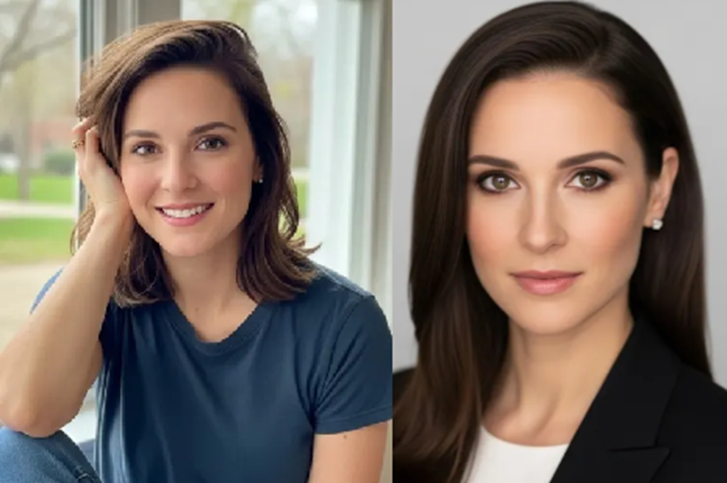
As the digital world continues to evolve, so too does the way we present ourselves within it. A professional headshot was once the result of a camera, a studio, and a photographer. Today, it might be the product of an algorithm. AI-generated headshots are quickly becoming a modern norm, offering speed, convenience, and studio-like quality. But with that rise comes a new conversation that asks not just how these tools work, but whether they change how we define authenticity and professionalism.
The intersection of ethics and image creation is no longer a theoretical debate. It is part of everyday life, especially for job seekers, remote workers, and freelancers who must rely on digital impressions to build trust.
Why AI Headshots Are So Appealing Right Now
There is no question that AI-generated portraits are appealing. They save time, remove the awkwardness of photo shoots, and deliver polished images that meet today’s digital expectations. For people who struggle with confidence in front of the camera or face financial barriers to hiring a photographer, these tools offer a welcome solution.
In a hyper-visual economy, showing up well matters. And AI helps people do that with less effort and more control. The demand is growing, and not just because the technology is new. It is because it solves a real problem.
The Ethics of Looking Polished by Design
Still, the conversation around AI-enhanced photos is far from one-sided. Some critics argue that these images create an unrealistic standard or mask the natural imperfections that come with being human. Others worry about transparency. Should you disclose that your profile photo was generated or enhanced by AI?
At the core of these questions is the tension between authenticity and polish. But perhaps the better question is: does enhancement equal dishonesty? Or can technology be used ethically to show someone at their most confident and composed without crossing into misrepresentation?
The answer may lie in intention. AI headshots are not about altering identity. They are about removing the distractions that poor lighting, cluttered backgrounds, or bad angles can create. When used mindfully, these tools offer clarity, not illusion.
A New Kind of Accessibility
For many people, professional photography has never been accessible. Whether because of budget, body confidence, location, or time constraints, scheduling a session is not always realistic. AI has changed that.
With just a few uploads and clicks, people can generate a clean, professional image that works across platforms. This kind of accessibility is a major step forward. It allows more people to participate in professional spaces with confidence, not because they conform to certain standards, but because they finally have tools that support them.
What Makes an AI Headshot Ethical?
The ethics of AI images depend less on the tool and more on how the image is used. Is it representative? Does it reflect the person in a clear and honest light? Is it being used to create trust, not distort it?
When used in personal branding, a good AI headshot can feel both polished and true. But like any tool, it requires a thoughtful approach. That includes choosing photos that reflect your personality, being consistent with your real-world presence, and avoiding over-editing that creates distance between image and identity.
Why the Conversation Around AI and Professional Identity Matters
We live in a time where image plays a powerful role in credibility. Whether on social platforms, remote job boards, or professional websites, people are often evaluated first by how they appear. This is especially true for those who rely on a CV photo to set the tone for recruiters and clients.
AI tools offer a way to meet those expectations without unnecessary pressure. But they also raise important questions about the future of identity. As these tools improve, will people feel more pressure to keep up? Or will AI become a quiet support that levels the playing field for everyone?
These are not just tech questions. They are human ones.
When to Be Transparent About AI Use
Some situations may call for transparency. In industries that value unedited authenticity, such as journalism, education, or therapy, acknowledging the use of AI-enhanced images might be the ethical thing to do. But in most professional contexts, the goal is simply to present yourself clearly and confidently.
What matters is that the image feels aligned with who you are, not that it was created by a photographer or an algorithm.
Benefits Without the Pressure
AI headshots reduce friction for people who are short on time, working with tight budgets, or uncomfortable with traditional photography. The goal is not to hide reality, but to reveal professionalism in a manageable, empowering way. For those who might otherwise skip the headshot entirely, these tools provide an alternative that is approachable and effective.
Where AI Photo Tools Fit In
For those looking to generate a high-quality CV photo without hiring a professional photographer, platforms like aiphotomaster.com offer a practical solution. These tools help transform casual or smartphone photos into clean, consistent portraits suitable for professional use. Users retain control over how they appear while benefiting from enhancements that improve lighting, clarity, and framing.
As more individuals explore options for AI-generated headshots, tools like these are gaining traction for their simplicity and realistic output.
How to Use AI Headshots Responsibly
To make the most of AI headshot tools without compromising authenticity, consider the following:
- Start with a natural, well-lit photo that reflects your current appearance
- Avoid using styles or effects that overly glamorize or distort features
- Ensure your photo matches how you typically appear in professional settings
- Be consistent across platforms to maintain visual trust
- Revisit your image periodically to keep it current and relevant
Responsible use is about intention. The goal is not to impress others with perfection, but to remove distractions and present yourself clearly and professionally.
Final Thoughts
As AI continues to shape how we work, connect, and represent ourselves, the tools we use to build a digital identity will continue to evolve. AI-generated headshots raise valid ethical questions, but they also open doors. They help people show up with confidence, clarity, and control, often for the first time.
The conversation around authenticity in the age of algorithms is not about resisting technology. It is about using it wisely. With thoughtful use, AI headshots can become a tool that supports equity, professionalism, and self-expression in the digital era.