

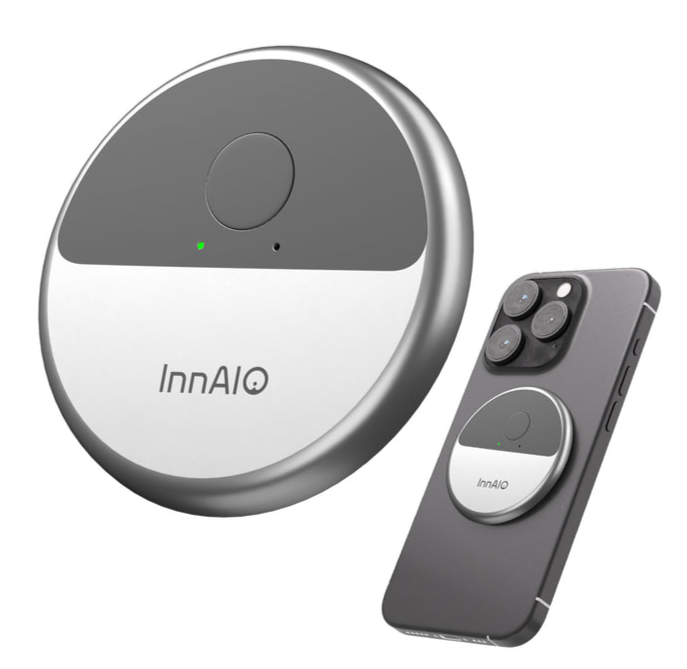
A missed word in a business meeting sounds small. A confused exchange with a hospital receptionist sounds unfortunate. A misunderstanding with a customs officer sounds inconvenient. Yet, added up across a year, language friction quietly reshapes careers, travel plans, and even health outcomes for people who work across borders. For most of the past decade the choice was uncomfortable: hire an interpreter, rely on a phone app that needed constant data, or stumble through with schoolbook phrases. Then a new class of hardware arrived that changed the math. A dedicated ai translator device removed the awkwardness from real-time conversations and turned language boundaries into speed bumps rather than roadblocks. This article compares what people actually lose when they try to power through without translation help, what happens when they lean too hard on a generic phone app, and how a purpose-built handheld tool sits differently in a bag, a pocket, and a workday.
Counting the True Cost of Muddled Communication
The financial cost of language friction is easy to overlook because it rarely appears as a single line item. Instead, it shows up as an extra hotel night when a booking got confused, a supplier order that arrived in the wrong specification, a medical appointment that had to be rescheduled because a form was misread. A traveler or professional who invests in a purpose-built ai translator device is buying insurance against these compounding small losses. Unlike a phone app that shares processing power with everything else on the device, a handheld unit dedicates its microphones, chip, and battery entirely to understanding speech accurately.
Time Lost to Miscommunication
Time is the easiest unit to measure. Every clarifying question, every repeated instruction, every polite smile that hides confusion adds minutes. Multiply those minutes across a two-week business trip and the total often exceeds the cost of the device itself. Frequent international travelers report that the productivity gap between using a dedicated translator and struggling with fragmentary phrases is larger than they expected, especially in fast-moving negotiation or logistics settings.
Relationships That Never Get Off the Ground
Not everything is quantifiable. Some costs are simply the friendships, business deals, or spontaneous experiences that never happen because two people gave up on the third attempt to understand each other. Removing that friction opens doors that might otherwise have stayed closed. A market vendor who realizes you are genuinely curious about the recipe explains it in detail. A regional partner who feels understood in their own language stops treating you as an outsider.
Phone Apps Versus Dedicated Hardware
The most common alternative to a handheld translator is a phone app. Apps have gotten better every year, but they still carry a set of trade-offs that a dedicated device largely avoids. A phone is a general-purpose tool competing for battery, processor, and attention. A translator built for a single job optimizes every element for that job. The difference is subtle in a quiet café and dramatic in a busy transit station.
Microphone Quality and Noise Handling
The single biggest gap between apps and dedicated hardware is audio pickup. Phone microphones are tuned for calls and video, not for standing in a crowded market with wind rustling the mesh screen. Purpose-built translators use directional microphone arrays and dedicated noise-cancellation firmware that isolates human speech from ambient chaos. The result is transcription that stays accurate in the settings where you actually need it most.
Offline Capability in the Real World
Coverage matters. A phone app that fails when signal drops is not a translation tool, it is a paperweight. Devices with strong offline models keep working on mountain trails, in metro tunnels, and in rural clinics where cellular data is unreliable. Look for models that let you preload the specific language pairs you need rather than relying on a generic offline mode, and update those packs before every trip.
Battery Life and Dedicated Attention
A dedicated device that lasts a full day of use, does not warm your palm during a long conversation, and does not push notifications into your face while you are trying to interpret a reply, feels categorically different from a phone in the same role. That difference compounds. People use translation more often when the tool never puts up friction, and more use produces smoother conversations.
What Purpose-Built Devices Bring to Everyday Users
Beyond the raw comparison with apps, dedicated translators bring workflow benefits that only reveal themselves after a few weeks of use. They become part of a routine: charged overnight, dropped into an outside pocket, and pulled out without thinking. Because the interface has fewer distractions than a phone, users typically learn the button layout by touch within days and can trigger translation with one hand while carrying groceries or holding a coffee.
Group Conversations and Multi-Speaker Settings
Multi-party translation is where dedicated devices shine. In a dinner where three languages are on the table, passing a phone around is awkward and slow. A device designed for group mode listens continuously and outputs translations to a paired display or earpiece for each participant, letting the conversation flow at natural speed. Some products from brands like INNAIO have leaned into this scenario, tuning both the microphone array and the interface for gatherings rather than one-on-one exchanges.
Document and Sign Translation on Demand
Camera translation extends the value of the device far beyond spoken exchanges. Menus, warning signs, product labels, medication instructions, rental contracts, transit maps — anything printed becomes readable within seconds. The trick is holding the camera steady and letting the device capture the full block of text rather than a partial fragment, which reduces the awkward moments where translation quality drops mid-sentence.
Learning Alongside the Tool
A translator does not have to replace language learning. Many users find that hearing accurate translations of their own sentences accelerates their memory of key phrases. Over months of trips, the device stops being an interpreter and becomes a coach, quietly filling in the words a user has not yet mastered while helping them absorb the ones they have.
Closing the Gap Between Intention and Understanding
Every conversation across a language boundary has two versions: the one the speakers intended and the one that actually landed. For years, the gap between those two was where deals stalled, plans got confused, and friendships never formed. Modern translation hardware has narrowed that gap to the point where it rarely matters, provided the traveler or professional chooses a device that matches the situations they encounter. Compared with muddling through unaided, a dedicated device pays for itself in days. Compared with a phone app, it wins on microphones, battery life, offline reliability, and the pure lack of distraction. Choose the option that lets the intention and the understanding line up more often, and the year that follows will feel measurably lighter — fewer repeated meetings, cleaner logistics, and a growing sense that the world is closer than the map suggests.