

Colon cancer, often referred to as colorectal cancer, is among the leading causes of cancer-related deaths worldwide. Yet, it frequently remains undetected during its early stages because it rarely produces noticeable symptoms until its progression becomes advanced. This silent disease underscores the urgency and importance of routine preventive healthcare screenings, particularly regular colonoscopy screenings. Despite misconceptions or unnecessary apprehension about colonoscopies, the simple truth remains that proactively scheduling regular screenings can save countless lives through the early detection of colon cancer.
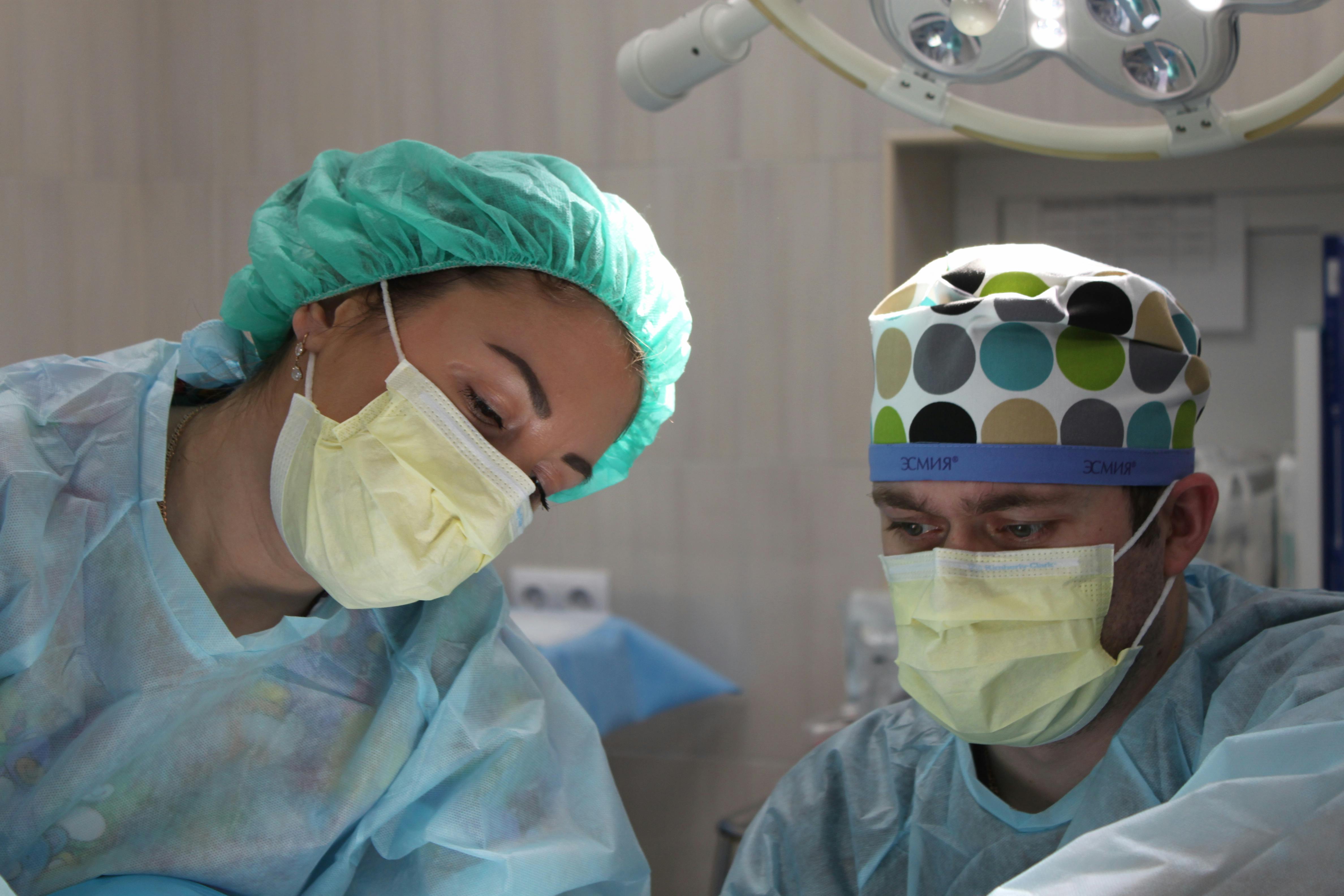
A colonoscopy is essentially a comprehensive exam that allows doctors to thoroughly inspect the inner lining of the large intestine (colon) and rectum. It is performed using a narrow, flexible tube called a colonoscope, equipped with a tiny camera and light source at its tip. During the procedure, the patient is typically sedated to ensure comfort and reduce anxiety. Once sedation has taken effect, the colonoscope is gently introduced through the rectum and advanced carefully through the colon. This allows the physician to examine the tissue surfaces closely, looking precisely for precancerous polyps, tissue inflammation or irritation, abnormal growths, or any suspicious lesions that might indicate early cancer development.
One significant benefit of a colonoscopy is that it not only detects various potential abnormalities, but also offers lifesaving therapeutic interventions on the spot. Doctors can remove suspicious polyps or lesions during the same procedure, effectively halting potential cancerous tissue growth before it has the chance to become malignant and spread. This preventive approach drastically reduces the overall risk of patients eventually developing advanced stages of colorectal cancer.
Regular colonoscopy screenings confer significant advantages for patient outcomes in several key ways. First, this preventive healthcare screening allows for early detection, significantly improving patient prognosis. Studies consistently demonstrate that when colorectal cancer is identified early through colonoscopy screenings, patients face a considerably higher survival rate—often as high as 90 percent or more, compared to late-stage diagnoses that present poorer survival expectations. Detecting colon cancer early grants both the patient and healthcare providers more diverse, less aggressive treatment options. It frequently reduces the length and intensity of required treatment, minimizing emotional trauma, physical suffering, and overall treatment costs.
Unfortunately, many patients avoid scheduling colonoscopy screenings because of fear, misinformation, or embarrassment. These unnecessary barriers place lives at risk, as most colorectal cancers begin as harmless-looking polyps or small growths, entirely asymptomatic and painless. Without a colonoscopy, these polyps may quietly proliferate and progressively become malignant tumors, creating potentially dire consequences. Educating the patient community about colonoscopy procedures and promoting open dialogue with healthcare providers can effectively alleviate these reservations, enabling more people to break misconceptions and approach the screening confidently.
To implement preventive screening practices, guidelines generally recommend adults begin colonoscopy screenings around age 45 or 50, depending on individual risk factors, family history, genetic susceptibility, lifestyle habits, or preexisting gastrointestinal conditions. Individuals with increased risk levels—such as a family history of colorectal cancer or personal histories of inflammatory bowel disease—often require earlier or more frequent screenings to reduce their risk of colon cancer development. It is essential for people to engage with healthcare providers, openly discussing their risks and formulating personalized preventative screening schedules.
The advantages of colonoscopy screenings are clear and proven. Routine screenings serve as a critical frontline defense mechanism against colorectal cancer instances, enabling physicians to detect anomalies at their earliest, most treatable and parsimonious stages. Ultimately, the tangible benefits vastly outweigh concerns about the procedure itself. By embracing an essential preventive healthcare attitude and scheduling regular colonoscopy screenings, individuals position themselves proactively, reducing colorectal cancer risk, safeguarding long-term health, and significantly enhancing their quality of life.
In conclusion, the significance of regular colonoscopy screenings cannot be overstated. They represent an invaluable medical tool in detecting colon cancer before it advances to stages that reduce patient prognosis and complicate treatment. Early detection vastly improves patient outcomes, potentially sparing countless lives every year. Enhancing public awareness through education, removing stigma, and encouraging open conversations about this frequently overlooked subject remain critically important in promoting preventive healthcare. By prioritizing regular colonoscopy screenings, everyone can play a proactive role toward preventing colon cancer, enjoying peace of mind, and achieving superior long-term health outcomes.