

On a rain-soaked morning in Baguio City, the silence of mist-covered mountains contrasted sharply with the warmth inside the Diamond Ballroom of the Supreme Hotel Convention Plaza, where scholars, writers, and cultural workers gathered for the 2nd Gawad Pamana ng Pluma International on May 31, 2026.
What unfolded was not merely an awards ceremony but a sustained reflection on how literature functions as a living archive of identity, memory, and collective experience in the Philippines.
Literature as Cultural Continuity
The gathering brought together voices from across the academic and creative spectrum, organized through the collaboration of KApisanan ng mga Filipinong Awtor at Manunulat sa Pilipinas, Inc. (KAFAMPI), Association of Social Sciences Educators for Treasures and Traditions (ASSETT) of the Philippines, Inc., and M.E. Publications. From the outset, the event positioned literature as a cultural force embedded within everyday life rather than confined to academic or artistic elites.
Host Adrian Fisga Luague opened the program with multilingual greetings, symbolically invoking the linguistic plurality of the Philippines. This gesture underscored a central theme of the day: that Filipino identity is not singular but plural, shaped by interwoven histories, languages, and regional narratives.
The Ethics of Writing and Recognition
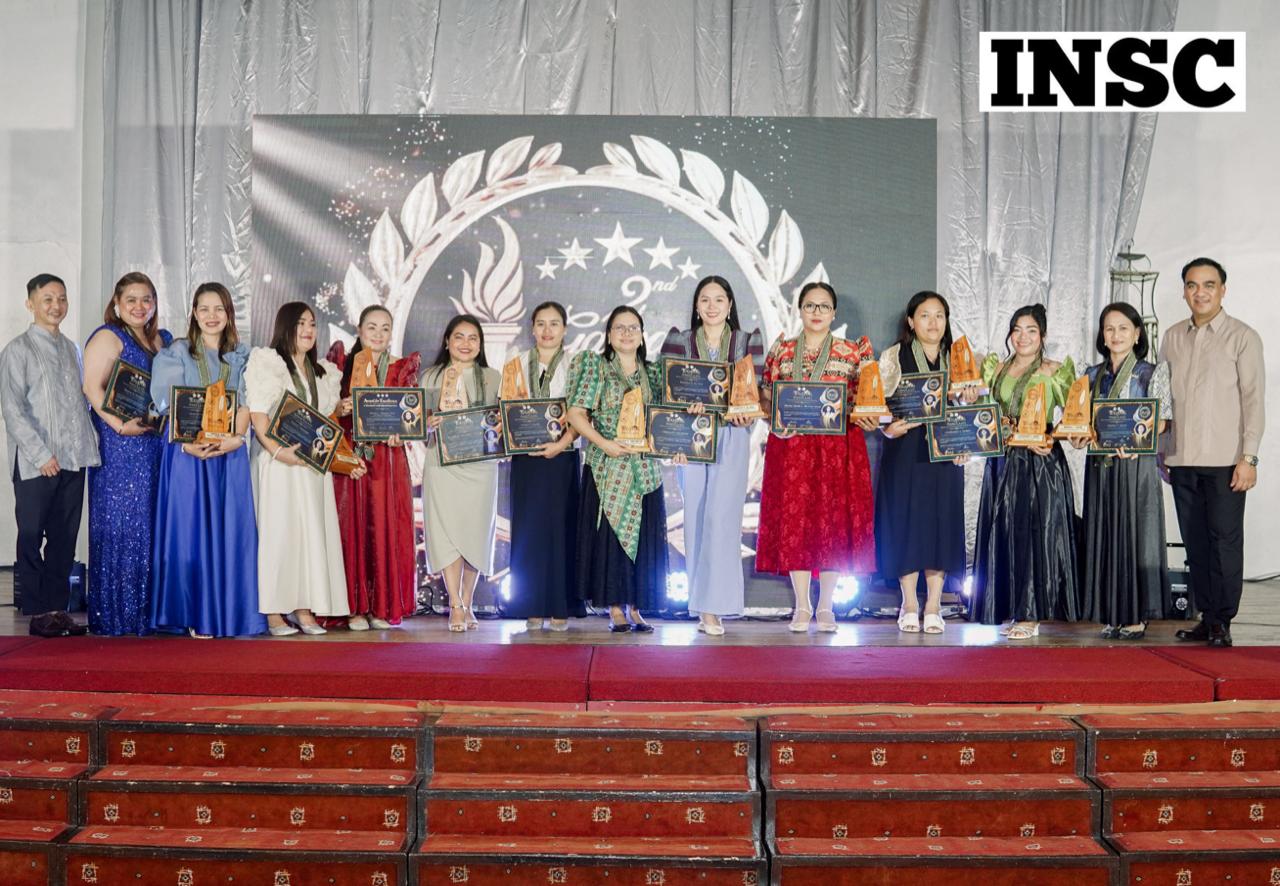
Central to the event was the conferment of the Gawad Tugatog ng Akdang Tuluyan and Gawad Tugatog ng Panulaan, distinctions awarded to exemplary writers of prose and poetry.
The recognition of 188 awardees highlighted not only literary excellence but also the evolving ethical responsibility of writers in contemporary society. Speakers emphasized that writing is not merely a creative act but a civic one, shaping how communities understand themselves and their histories.
Cultural leaders including ASSETT of the Philippines President Dr. Joseph Cristobal and and M.E Publications Director Eleuteria “Helen” Sarita framed literature as both record and resistance—recording lived experience while resisting cultural erasure in a rapidly globalizing world.
Embodied Culture and Performance
In the afternoon, the Kayaw di Umili Ensemble transformed the program into a multisensory cultural experience through Cordilleran dance performances. Their presence emphasized that heritage is not static but embodied, expressed through movement, rhythm, and communal participation.
This integration of performance and literature reflected a broader understanding of Filipino cultural practice, where oral tradition, ritual, and written text coexist within a shared expressive ecosystem.
Leadership, Education, and Cultural Stewardship
Messages from educational and governmental leaders reinforced the institutional dimension of cultural preservation. Speakers emphasized that sustaining literature requires not only writers and artists but also educators, policymakers, and civic leaders committed to long-term cultural investment.
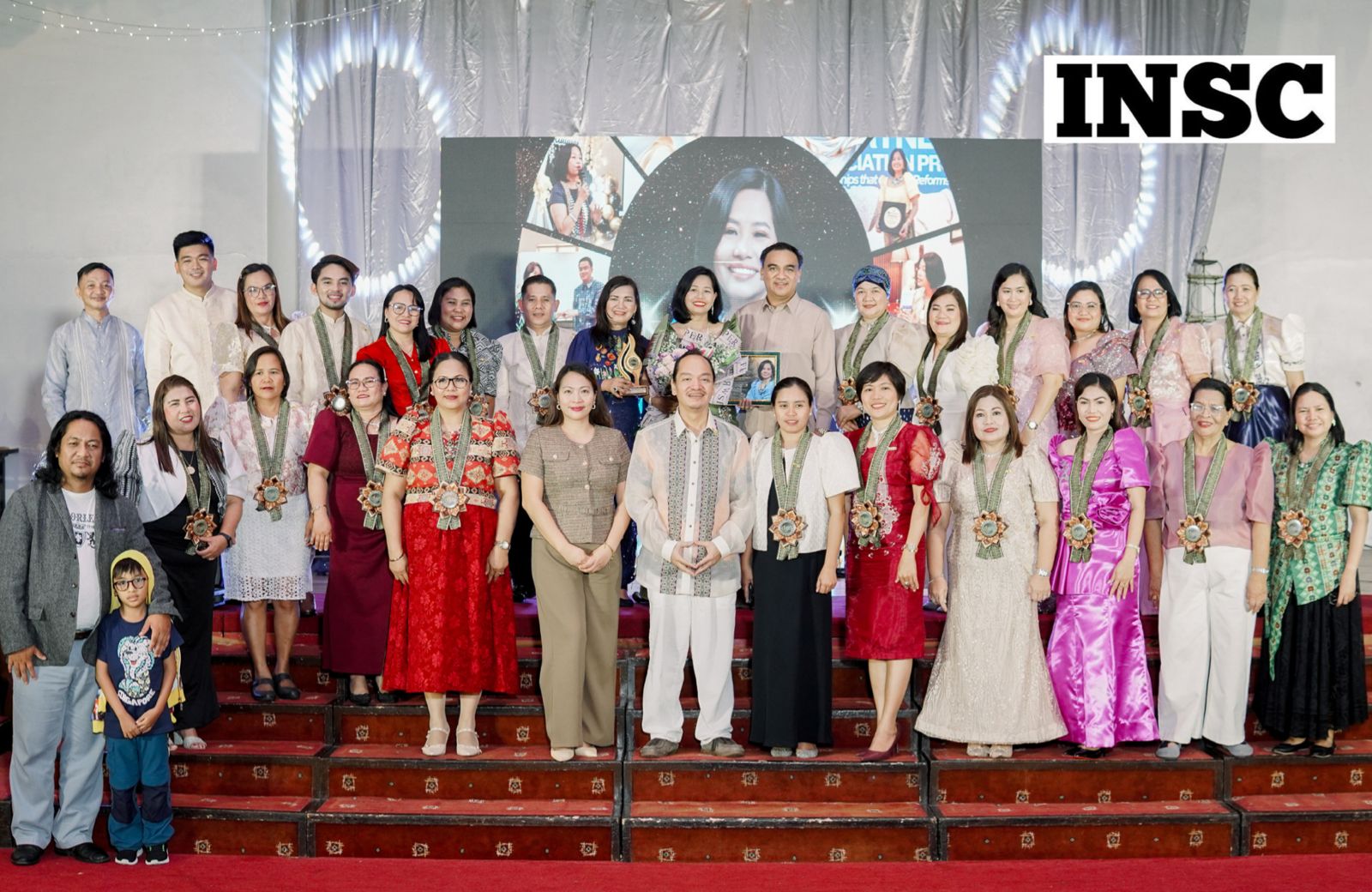
The Gawad Sulo ng Pamumuno further highlighted this principle, recognizing individuals whose leadership has strengthened educational and cultural infrastructures.
A Plural Literary Landscape
The evening’s Pamana ng Pluma Literary Awards showcased a diverse literary field spanning Filipino and English works. The awarded texts reflected contemporary concerns including identity formation, social fragility, emotional inheritance, and structural inequality.
Rather than presenting literature as a unified national voice, the event revealed it as a multiplicity of perspectives—sometimes converging, sometimes in tension, but always reflective of lived complexity.
Literature as Living Archive
The 2nd Gawad Pamana ng Pluma International concluded with a communal performance that blurred the line between audience and participant. In this final act, culture was not observed—it was enacted.
What remained after the ceremonies was not simply a list of awardees but a reaffirmation of literature’s role as a living archive. In the Philippine context, where linguistic and cultural diversity is vast, such gatherings underscore the continuing necessity of storytelling as both preservation and transformation.
The event ultimately affirmed that the Filipino literary tradition is not a static inheritance but an evolving conversation—one sustained through voices, verses, and shared responsibility.