

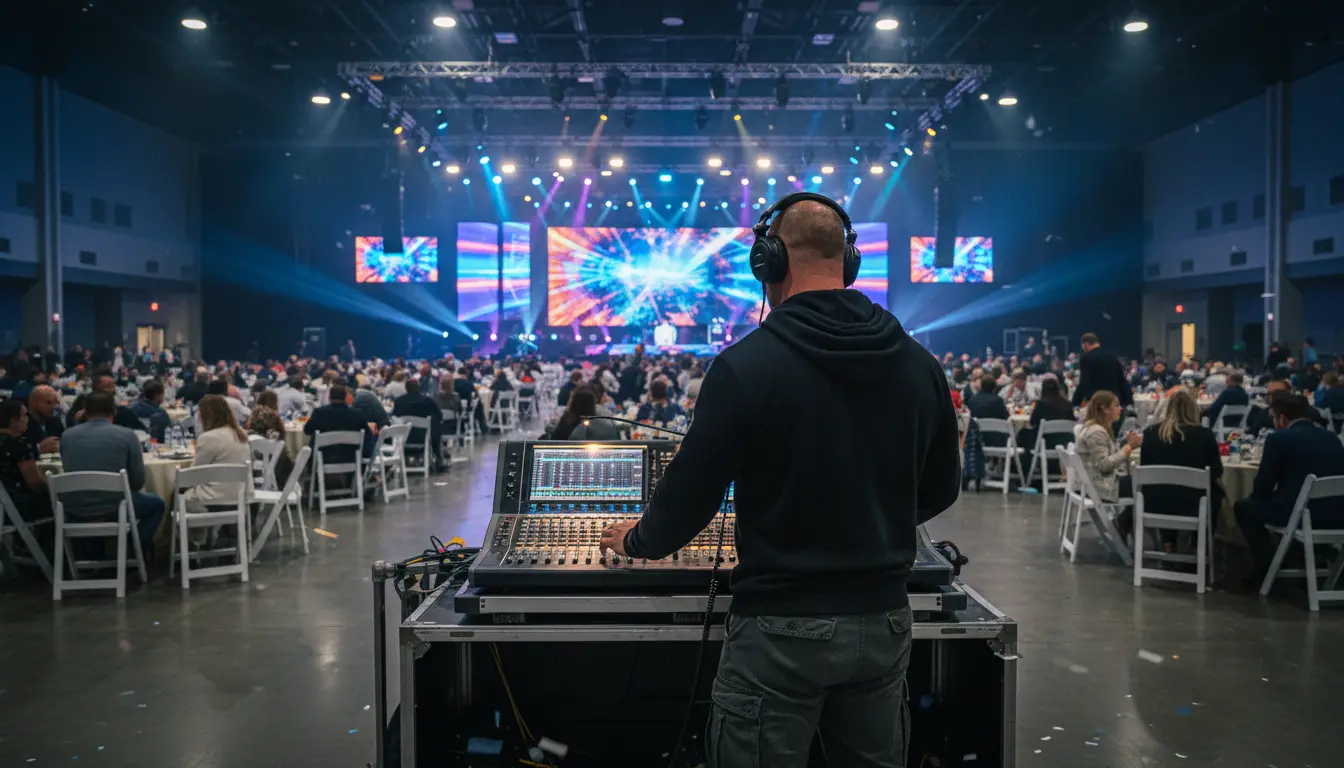
Organizing a successful event involves much more than arranging a venue and inviting guests. These days, events depend a lot on technology and design to make memorable experiences that keep people interested and get their ideas across clearly. Audio, visual, and lighting elements work together to shape the atmosphere, guide audience attention, and ensure that every moment of the event runs smoothly. For this reason, many organizers collaborate with professional event production companies that specialize in delivering high-quality technical setups and immersive environments.
The Importance of Clear and Powerful Audio
Sound is one of the most critical elements of any event. Whether it is a corporate conference, product launch, live performance, or award ceremony, audiences must be able to clearly hear speakers, music, and presentations. Poor sound quality can quickly disrupt an event and make it difficult for attendees to remain engaged.
Professional audio systems ensure that every voice and sound reaches the audience evenly throughout the venue. Microphones, speakers, mixers, and acoustic planning all play an important role in creating balanced sound coverage. Technicians also manage volume levels and eliminate feedback or distortion during the event.
Carefully designed audio setups allow presenters to communicate their message confidently while ensuring that the audience stays connected to the program. This attention to detail is one of the reasons many organizations trust experienced event production companies to handle technical audio management.
Visual Design That Enhances Communication
Visual elements help deliver information in a clear and engaging way. Screens, projectors, LED displays, and video content are commonly used to support presentations, display branding, or showcase multimedia experiences during events.
Effective visual design does more than simply show slides or videos. It helps guide the audience’s focus and reinforces the theme of the event. For example, a large screen displaying live camera feeds ensures that every attendee can see speakers clearly, even in large venues. High-resolution graphics and motion visuals also add excitement and energy to the event environment.
Incorporating professional visual technology can elevate the overall production quality. Many event production companies specialize in designing customized visual solutions that align with the event’s goals and brand identity. These visual elements help transform a standard presentation into an engaging and dynamic experience.
Lighting Design That Shapes Atmosphere
Lighting is often one of the most powerful tools in event production because it directly influences how people feel in a space. Strategic lighting can create drama, highlight important areas, and establish the overall mood of the event.
For instance, bright stage lighting ensures that speakers and performers remain clearly visible to the audience. Colored lights can be used to reinforce branding or match the theme of a celebration. For business meetings or formal meals, soft ambient lighting can make the space feel warm and inviting.
Lighting designers carefully plan where and how lights are placed to ensure that the stage, audience areas, and decorative features are balanced visually. This process helps maintain focus on the key moments of the event while enhancing the overall aesthetic appeal.
Integrating Audio, Visual, and Lighting for Seamless Events
The real success of event production lies in how well audio, visual, and lighting systems work together. When these elements are coordinated properly, they create a cohesive experience that keeps audiences engaged from beginning to end.
For example, a keynote presentation may involve synchronized lighting cues, video displays, and perfectly balanced sound. This level of coordination requires careful planning, advanced technology, and experienced technicians who understand how each component interacts with the others.
Because of this complexity, many organizations partner with skilled event production companies that can manage all technical aspects of an event. Their knowledge makes sure that every detail is taken care of properly, so event organizers can focus on giving their guests meaningful experiences.
Conclusion
Audio, visual, and lighting design are essential components of modern event production. Together, they create clarity, enhance storytelling, and establish the atmosphere that makes an event memorable. By combining technical expertise with creative design, professional teams ensure that events not only run smoothly but also leave a lasting impression on every attendee.