

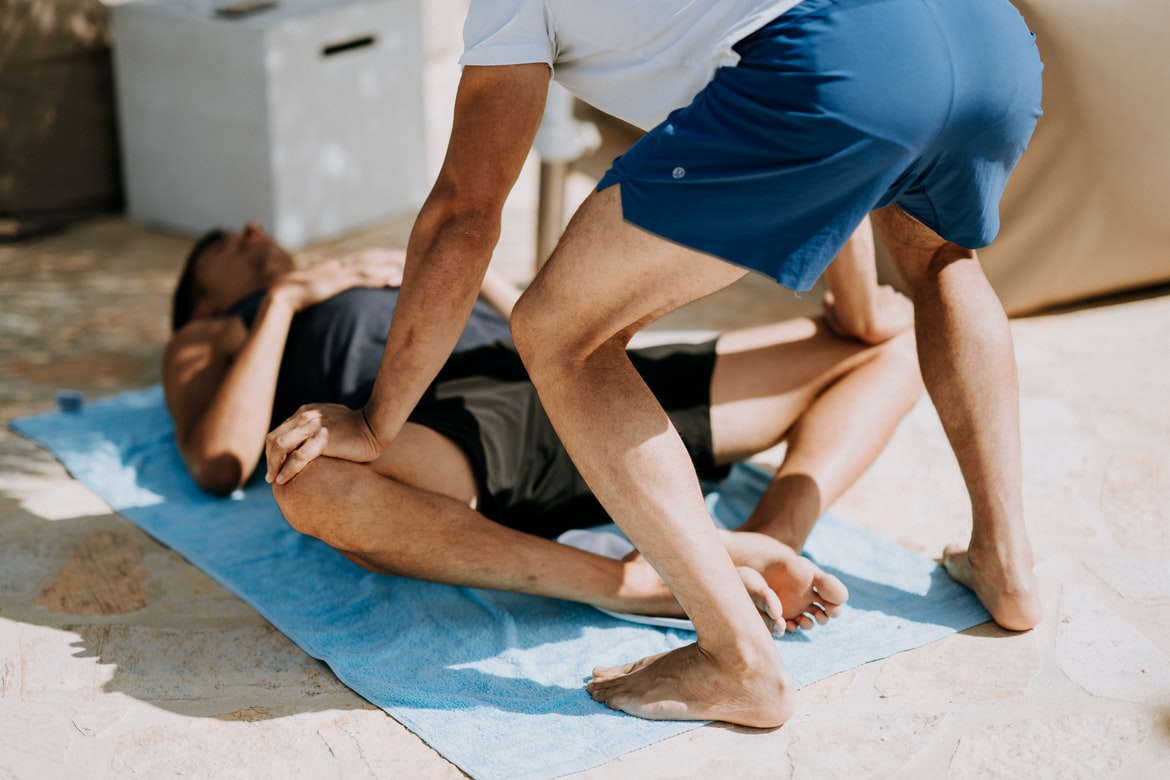
Sports injuries can cause pain, limit mobility, and disrupt daily life. For those recovering from sports injuries, exploring innovative approaches like platelet rich plasma (PRP) therapy to accelerate healing can be beneficial. Here is more information on how platelet rich plasma therapy applies to sports injuries and its role in the recovery process:
What Is Platelet Rich Plasma Therapy?
Platelet rich plasma therapy is a treatment that uses the patient’s own blood to encourage tissue repair and regeneration. PRP involves isolating and concentrating platelets from a small sample of blood. These platelets contain proteins known as growth factors, which support the body’s natural healing mechanisms. PRP is administered directly into areas of tissue damage or injury using precision-guided injections and requires limited downtime.
How Does It Work?
PRP therapy begins by drawing a small volume of blood from the patient. The blood is then processed in a centrifuge to separate platelets and plasma from other components, such as red blood cells. This concentrated platelet-rich solution is then prepared for injection.
Platelets play a key role in the body’s natural healing processes. When injected into injured areas, they release growth factors that may stimulate cell repair, reduce inflammation, and accelerate tissue regeneration. By enhancing these biological processes, PRP therapy supports localized recovery.
What Is a Sports Injury?
A sports injury is physical damage sustained while engaging in physical activities or athletic performance. These injuries can affect any part of the body but are most commonly associated with muscles, ligaments, tendons, and joints. Sports injuries occur in activities ranging from individual exercises to team sports.
Examples of common sports injuries include muscle strains, ligament sprains, tendinitis, and cartilage tears. Injuries may restrict mobility and impact performance. These injuries may also require time and treatment to heal fully.
What Causes a Sports Injury?
Sports injuries are often the result of acute trauma or repetitive stress. Acute injuries occur suddenly during activities, such as a sprained ankle from a fall or a ligament tear during rapid movements. Repetitive injuries develop gradually due to overuse or repetitive strain on particular body parts.
Additional factors contributing to sports injuries include improper training techniques, inadequate equipment, or insufficient warm-ups before exercise. Recovery pathways vary depending on the severity and location of the injury. PRP therapy is a treatment approach that can improve the recovery process.
How Can PRP Therapy Help?
PRP therapy may play a role in aiding recovery from sports injuries by supporting the body’s natural repair processes. Injecting PRP into injured tissues introduces a concentrated dose of growth factors designed to accelerate regeneration and promote healing. This application is particularly relevant for tendon injuries, ligament damage, and other soft tissue conditions.
PRP is intended to enhance tissue function and resilience over time. This can help athletes or active individuals regain strength and mobility more efficiently. The treatment aligns with broader recovery objectives by targeting the injured area directly.
Improve Your Recovery Process Now
Sports injury recovery may require a combination of targeted approaches tailored to the individual. PRP therapy offers a biologically focused strategy to support healing and promote tissue repair. By understanding its potential role in management, individuals with sports injuries may undergo PRP as a complementary part of their broader recovery plan. To explore whether PRP therapy is right for your recovery, consult with a professional specializing in this innovative care method.