

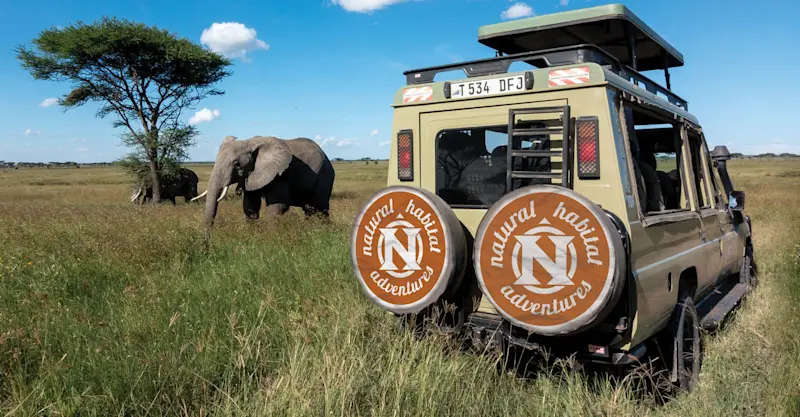
East Africa is the spiritual home of the classic safari. From the endless golden savannahs where millions of wildebeest risk life and limb to the misty, emerald volcanic slopes where mountain gorillas reside, this region offers the most iconic wildlife encounters on Earth.
Whether you are planning a thrilling venture across the plains or a deep trek into the rainforests, understanding what each destination offers is key to crafting your dream itinerary. Let us explore the unique magic of an African Safari in Kenya, an African Safari in Tanzania, an African Safari in Rwanda, and an African Safari in Uganda.
1. Kenya: The Birthplace of the Traditional Safari
When most people envision a classic safari—canvas tents under acacia trees, Maasai warriors silhouetted against a crimson sunset, and prides of lions stalking through golden grass—they are picturing Kenya. As the birthplace of modern wildlife tourism, Kenya seamlessly blends rich cultural heritage with unparalleled game viewing.
The Maasai Mara and the Great Migration
The crown jewel of any African Safari in Kenya is undoubtedly the Maasai Mara National Reserve. Functioning as the northern extension of Tanzania’s Serengeti ecosystem, the Mara plays host to one of the most spectacular natural wonders of the world: the Great Wildebeest Migration.
Between July and October, over two million wildebeest, zebras, and gazelles arrive in the Maasai Mara in search of fresh grazing lands. The dramatic river crossings at the Mara River, where crocodiles lie in wait for stumbling herbivores, offer some of the most high-octane wildlife viewing imaginable.
Beyond the Mara: Varied Ecosystems
While the Maasai Mara steals the headlines, Kenya’s geographic diversity runs incredibly deep:
- Amboseli National Park: Famous for its massive elephant herds framed against the majestic, snow-capped backdrop of Mount Kilimanjaro.
- Samburu National Reserve: Located in the arid north, home to the “Samburu Special Five”—rare species like the reticular giraffe and Grevy’s zebra.
- Ol Pejeta Conservancy: A pioneering sanctuary dedicated to rhino conservation, where you can see the world’s last remaining northern white rhinos.
2. Tanzania: Vast Wilderness and Dramatic Landscapes
Just south of Kenya lies Tanzania, a country blessed with an embarrassment of natural riches. Tanzania focuses on a low-density, high-quality tourism model, preserving vast tracks of pristine wilderness where animals roam completely untamed.
The Serengeti and Ngorongoro Crater
An African Safari in Tanzania is synonymous with scale. The Serengeti National Park covers nearly 15,000 square kilometers, hosting the lion’s share of the Great Migration for the majority of the year. From the calving season in the southern Serengeti during January and February to the dramatic treks northward, the Serengeti offers a year-round theater of life and death.
Adjacent to the Serengeti is the Ngorongoro Conservation Area, a UNESCO World Heritage site. The Ngorongoro Crater is the world’s largest intact, unfilled volcanic caldera. Inside this natural amphitheater, a self-sustaining ecosystem thrives, housing around 30,000 animals, including the highly endangered black rhino. It provides arguably the easiest “Big Five” viewing on the continent in a single afternoon.
The Wild South and Exotic Islands
For travelers seeking a more off-the-beaten-path experience, Tanzania’s southern circuit—including Nyerere National Park (formerly Selous) and Ruaha National Park—offers rugged, untamed landscapes with fewer safari vehicles. After weeks in the bush, many travelers choose to wind down on the white-sand beaches and spice markets of Zanzibar, making an African Safari in Tanzania the perfect bush-and-beach combination.
3. Rwanda: The Land of a Thousand Hills and Primate Royalty
Moving away from the open plains and shifting toward the dense, misty rainforests of the Albertine Rift, Rwanda presents an entirely different style of wildlife adventure. Known as the “Land of a Thousand Hills,” Rwanda has emerged as a premier luxury eco-tourism destination.
Volcanoes National Park and Mountain Gorillas
The absolute highlight of an African Safari in Rwanda is tracking the endangered mountain gorilla. High up in the bamboo forests of Volcanoes National Park, made famous by the pioneering work of primatologist Dian Fossey, roughly a third of the world’s remaining mountain gorillas live.
Gorilla trekking is a profound, deeply intimate experience. After hiking through dense jungle vegetation, spending a single, quiet hour standing just meters away from a silverback gorilla and his family is frequently described by travelers as life-changing. Rwanda has intentionally positioned itself as a high-end, exclusive trekking destination, with permit fees directly funding local community development and stringent conservation efforts.
A Holistic Wildlife Destination
While gorillas are the main draw, Rwanda has successfully diversified its wildlife offerings:
- Nyungwe Forest National Park: One of the oldest rainforests in Africa, famous for chimpanzee trekking and a thrilling canopy walk high above the trees.
- Akagera National Park: A remarkable conservation success story where rhinos and lions have been successfully reintroduced, transforming Rwanda into a surprising Big Five safari destination alongside its primate riches.
4. Uganda: The Pearl of Africa
For travelers seeking raw adventure, immense biodiversity, and an authentic, less-commercialized atmosphere, Uganda is an absolute gem. Winston Churchill famously dubbed it the “Pearl of Africa,” and it is easy to see why. Uganda bridges the gap between the open savannahs of East Africa and the dense jungles of Central Africa.
Bwindi Impenetrable Forest and Queen Elizabeth National Park
An African Safari in Uganda offers the unique opportunity to see both mountain gorillas and traditional savannah wildlife within the boundaries of a single country. Bwindi Impenetrable National Park is home to roughly half of the world’s mountain gorilla population. The trekking here can be physically demanding due to the steep, rugged terrain, but it offers a wonderfully raw and authentic jungle experience at a more accessible price point than Rwanda.
Just a short drive away lies Queen Elizabeth National Park. This park is famous for the Ishasha sector, one of the few places in Africa where you can witness unique tree-climbing lions resting lazily on the branches of fig trees. The Kazinga Channel boat cruise within the park offers spectacular views of hundreds of hippos, crocodiles, and an incredible array of bird species lining the shores.
Primate Capital and Mighty Rivers
Uganda is also home to Kibale National Park, widely considered the primate capital of East Africa, boasting 13 different primate species and exceptional chimpanzee tracking tracking experiences. Furthermore, Murchison Falls National Park offers breathtaking views where the mighty Nile River forces itself through a narrow 7-meter gorge, creating a roaring cascade that shouldn’t be missed during an Gorilla trekking Uganda.
Choosing Your Perfect East African Adventure
| Destination | Best Known For | Key Highlight | Landscape Style |
| Kenya | Classic safari culture, massive lion prides | Great Migration (July–Oct) | Golden savannahs & acacia trees |
| Tanzania | Vast, endless plains, massive wildlife scale | Serengeti & Ngorongoro Crater | Volcanic craters & infinite plains |
| Rwanda | Luxury eco-tourism, gorilla conservation | Volcanoes National Park | Misty volcanic rainforests |
| Uganda | Immense biodiversity, budget-friendly primates | Bwindi & Tree-climbing lions | Jungles, rivers, & savannahs |
No matter which path you choose, East Africa delivers a sensory overload of sights, sounds, and unforgettable memories. From the thundering hooves of Kenya and Tanzania to the quiet, breathtaking breaths shared with a silverback gorilla in Rwanda and Uganda, an African safari is not just a holiday—it is a journey that stays in your soul foreve