

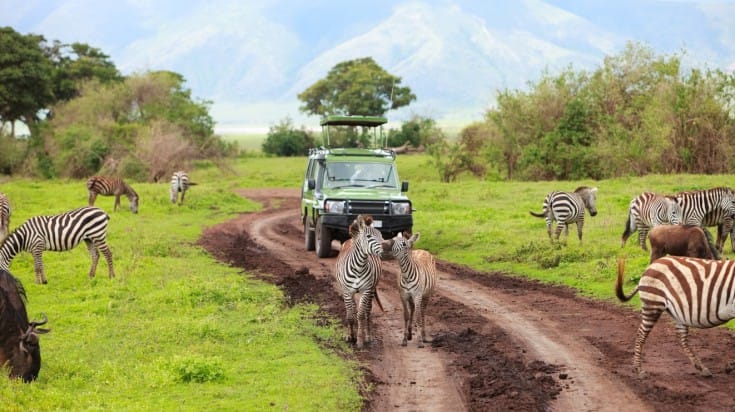
East Africa is the definitive birthplace of the modern safari. Across this sweeping region, the landscapes shift dramatically from golden, predator-filled savannahs to mist-shrouded volcanic rainforests. Planning an African safari across Kenya, Tanzania, Rwanda, and Uganda requires understanding how these unique ecosystems connect, what wildlife they harbor, and the best times to witness their most defining natural spectacles.
1. Kenya: The Classic Savannah and Capital of Wildlife Drama
When most people picture a classic African safari, they are visualizing the wide-open plains of Kenya. The country boasts a well-developed tourism infrastructure, making it exceptionally accessible while preserving a raw, cinematic wilderness.
The Great Migration in the Masai Mara
The crown jewel of Kenya safari destinations is the Masai Mara National Reserve. This vast grassland is the stage for the Great Migration, a continuous survival cycle where over 1.5 million wildebeest, zebras, and gazelles trek across the Mara River from the neighboring Serengeti. The most dramatic river crossings—where massive herds face crocodile-infested waters—typically happen between July and October.
Beyond the Mara: Elephants and Birdlife
While the Masai Mara dominates headlines, Kenya offers diverse ecological zones:
- Amboseli National Park: Famous for its massive herds of free-ranging elephants moving beneath the stark, snow-capped backdrop of Mount Kilimanjaro.
- Samburu National Reserve: A rugged, arid landscape in northern Kenya home to the “Samburu Special Five”—including the reticulated giraffe and Grevy’s zebra.
- Lake Nakuru National Park: A sanctuary critical for the protection of both black and white rhinos, as well as thousands of vibrant flamingos feeding in the algae-rich waters.
2. Tanzania: Vast Landscapes and World Heritage Wonders
Directly south of Kenya lies Tanzania, a country characterized by its immense scale and some of the highest concentrations of wildlife left on Earth. A Tanzania safari focuses on sweeping valleys, deep volcanic calderas, and luxury glamping.
The Serengeti and the Calving Season
The Serengeti National Park forms a seamless ecosystem with the Masai Mara. While Kenya hosts the dramatic river crossings, the Serengeti hosts the migration for the majority of the year. A major highlight is the wildebeest calving season in the southern region of Ndutu, occurring between December and March. During this period, thousands of calves are born daily, drawing intense predator action from lions, leopards, and cheetahs.
The Ngorongoro Crater: A Natural Enclosure
A UNESCO World Heritage Site, the Ngorongoro Crater is the world’s largest intact, unfilled volcanic caldera. The 2,000-foot-deep walls form a natural enclosure creating a unique self-contained ecosystem.
The Big Five Challenge: The crater floor offers one of the highest probabilities in Africa for tracking the entire Big Five (lion, leopard, elephant, buffalo, and the critically endangered black rhino) all within a single afternoon game drive.
3. Rwanda: High-End Conservation and Walking in the Mist
Shifting away from the classic open savannah vehicles, an African safari in Rwanda is a deeply physical, intimate, and exclusive mountain experience centered around primate conservation.
Gorilla Trekking in Volcanoes National Park
Gorilla trekking in Rwanda takes place on the mist-covered slopes of the Virunga Mountains within Volcanoes National Park. This territory is home to roughly one-third of the world’s remaining endangered mountain gorillas.
The trekking process is strictly regulated to protect the primates from human diseases and stress:
- Permit Requirements: Treks require a permit issued by the Rwanda Development Board (RDB), which costs $1,500 per person.
- Strict Limits: Only eight visitors are permitted per habituated gorilla family each day.
- The Encounter: Once trackers locate the family, visitors are granted exactly one hour of observation at a strict minimum distance of 7 to 10 meters.
Seamless Premium Travel
Rwanda has deliberately positioned itself as a luxury, high-end ecotourism destination. The country’s compact geography allows travelers to touch down at Kigali International Airport and reach the gorilla tracking trailheads in under three hours via smooth, well-paved roads, bypassing the long transit times common in larger safari countries.
4. Uganda: The Primate Capital and Diverse Ecosystems
For travelers seeking a wilder, more rugged adventure, an African safari in Uganda combines the dense, misty rainforests of Rwanda with the classic big-game savannahs of Kenya and Tanzania.
The Primate Capital: Bwindi and Kibale
Uganda Gorilla tours holds a significant edge in primate diversity and affordability. Gorilla permits in Uganda’s Bwindi Impenetrable National Park cost $800, making it a highly attractive alternative to Rwanda. The terrain in Bwindi is notably steeper and denser, offering a challenging, authentic jungle hike.
Beyond mountain gorillas, Uganda is the premier destination for tracking our closest living relatives:
- Kibale Forest National Park: Known as the primate capital of East Africa, hosting 13 distinct species, including over 1,500 chimpanzees.
- Chimpanzee Tracking: Permits allow adventurers to hike through low-altitude rainforests to observe habituated chimp communities swinging through the canopy and foraging on the forest floor.
Savannah and Water Safaris
Uganda is not just about the jungle. Savannah parks like Queen Elizabeth National Park feature unique tree-climbing lions in the Ishasha sector, while Murchison Falls National Park offers dramatic boat safaris along the River Nile, where the water forces its way through a narrow 7-meter gorge alongside heavy concentrations of hippos and Nile crocodiles.
Comparative Overview of East African Safaris
| Destination | Primary Wildlife Focus | Best Travel Windows | Terrain Type |
| Kenya | The Big Five, Great Migration river crossings | July–October, January–February | Open savannah, acacia woodlands |
| Tanzania | Great Migration calving, dense predator populations | June–October, December–March | Vast plains, volcanic calderas |
| Rwanda | Mountain gorillas, golden monkeys | June–September, December–February | Bamboo forests, steep volcanic slopes |
| Uganda | Mountain gorillas, chimpanzees, tree-climbing lions | June–October, December–February | Dense rainforests, rivers, savannah |
Planning Logistics: Crafting the Perfect Itinerary
When structuring a comprehensive multi-country tour across East Africa, consider how the logistics align to save time and budget.
Maximizing Visas and Crossings
If your itinerary combines Kenya, Rwanda, and Uganda, you can apply for the East Africa Tourist Visa. This single joint visa allows multiple entries between these three specific nations for 90 days. Note that Tanzania is not part of this agreement and requires its own separate tourist visa.
Sequencing the Experience
A common mistake is planning intensive mountain treks at the tail end of a long trip. Jungle trekking in search of gorillas and chimpanzees requires hours of hiking through mud, steep inclines, and high altitudes.
Pro Tip: Sequence your journey by starting with the physically demanding primate hikes in Uganda or Rwanda while your energy is highest. Afterward, transition into the relaxed, vehicle-based game drives across the plains of Tanzania or Kenya.
Whether watching a pride of lions wake up on the golden grasses of the Serengeti or locking eyes with a silverback gorilla in the mountain mist, East Africa provides an unmatched window into the raw rhythm of the natural world.