

The journey to Everest Headquarters (EBC) is a fantasy for specific pioneers, offering shocking scenes, a brief examination of Sherpa culture, and the intensity of remaining at the basis of the world’s most significant mountain. A key request that impending voyagers regularly present is: What measure of time does it expect to move to Everest Central command? This careful helper will isolate the range, everyday timetables, and elements affecting the length of the outing, promising you are all set for this unfathomable trip.
Typical Duration of the Everest Base Camp Trek
The standard outing to Everest base camp trek Central command generally takes around 12 to 16 days, depending upon the specific timetable and the voyagers’ acclimatization needs. This term integrates both the move to EBC and the re-appearance of Lukla.
Day-by-Day Itinerary
Here is a commonplace 12-day plan, which can be changed considering individual speed and tendencies:
Day 1: Arrival in Kathmandu
- Activity: Show up in Kathmandu, the capital of Nepal.
- Altitude:1,400 meters (4,593 feet)
- Notes: Go through the day investigating the city, planning licenses, and taking a look at gear.
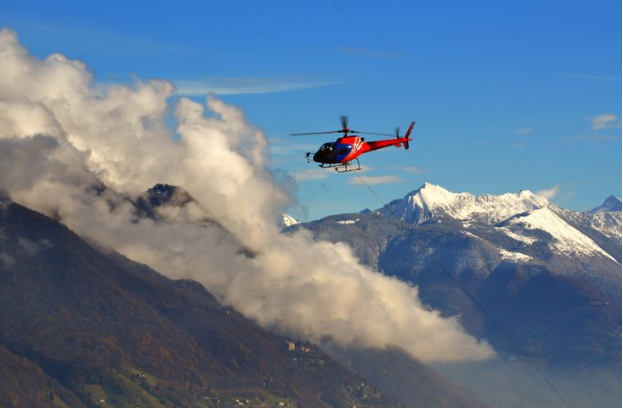
Day 2: Fly from Kathmandu to Lukla and Journey to Phakding
- Flight Duration: 30-35 minutes
- Trek Duration: 3-4 hours
- Altitude: Lukla (2,800 meters/9,186 feet) to Phakding (2,652 meters/8,700 feet)v
- Notes: A thrilling flight followed by a straightforward excursion to Phakding.
Day 3: Phakding to Namche Bazaar
- Trek Duration: 6-7 hours
- Altitude: 3,440 meters (11,286 feet)
- Notes: A problematic day with the titanic level increment, going through shocking pine woods and crossing several planned extensions.
Day 4: AcclimAcclimatization moves to Everest View Inn or close by townsatization Day in Namche Bazaar
- Altitude: Up to 3,880 meters (12,730 feet)
- Notes: Rest and conform to ruin level illness, and inspect the strong town of Namche.
Day 5: Namche Bazaar to Tengboche
- Trek Duration: 5-6 hours
- Altitude: 3,860 meters (12,664 feet)
- Notes: Adventure across rhododendron backcountry and esteem clearing perspectives on Everest, Nuptse, and Ama Dablam. Visit the notable Tengboche Severe social class.
Day 6: Tengboche to Dingboche
- Trek Duration: 5-6 hours
- Altitude: 4,410 meters (14,468 feet)
- Notes: Go through the towns of Pangboche and Deboche, and ascend to the beautiful Dingboche.
Day 7: Acclimatization Day in Dingboche
- Activity: Acclimatization moves to Nagarjun Slant or Chukhung Valley.
- Altitude: Up to 5,100 meters (16,732 feet)
- Notes: Rest and adjust, participating in the terrific valley and rising above the tops around Dingboche.
Day 8: Dingboche to Lobuche
- Trek Duration: 5-6 hours
- Altitude: 4,940 meters (16,207 feet)
- Notes: Venture past the recognitions of climbers who lost their lives on Everest, showing up at the harsh and unproductive scene of Lobuche.
Day 9: Lobuche to Gorak Shep and Everest Base Camp
- Trek Duration: 7-8 hours
- Altitude:Gorak Shep (5,170 meters/16,961 feet), Everest Base camp (5,364 meters/17,598 feet)
- Notes: A long and testing day, coming full circle in the accomplishment of arriving at EBC.Get back to Gorak Shep for the evening.
Day 10: Gorak Shep to Pheriche via Kala Patthar
- Trek Duration: 7-8 hours
- Altitude: Kala Patthar (5,545 meters/18,192 feet), Pheriche (4,371 meters/14,340 feet)
- Notes:Early morning climb to Kala Patthar for dawn perspectives on Everest, then slip to Pheriche.
Day 11: Pheriche to Namche Bazaar
- Trek Duration: 6-7 hours
- Altitude: 3,440 meters (11,286 feet)
- Notes:A long plummet back to the clamoring town of Namche Market.
Day 12: Namche Bazaar to Lukla
- Trek Duration: 6-7 hours
- Altitude: 2,800 meters (9,186 feet)
- Notes: Final day of trekking, returning to Lukla for a well-deserved rest.
Factors Affecting the Trek Duration
A few elements can impact the span of your Everest Headquarters journey:
1. Acclimatization
Appropriate acclimatization is essential to stay away from height disorder.A few travelers might require more acclimatization days, particularly those with no earlier high-elevation experience.Counting extra rest days can broaden the journey span by 2-3 days.
2. Trekking Pace
Individual wellness levels and traveling experience influence the speed.Novices might take more time to cover everyday distances, while prepared travelers could finish the trip quicker.
3. Weather Conditions
Climate in the Himalayas is unusual.Unfortunate weather conditions can defer trips to and from Lukla or require extra acclimatization days because of unfavorable traveling conditions.
4. Side Trips and Exploration
Numerous adventurers choose side excursions, for example, visiting Gokyo Lakes or climbing Island Pinnacle.hese trips add additional days to the standard schedule however offer compensating encounters and shocking perspectives.
Tips for Planning Your Trek
- Allow Flexibility in Your Schedule
While arranging your outing, work in additional days for acclimatization and likely postponements.This adaptability guarantees you can finish the journey securely and charmingly.
- Prepare Physically
Begin a preparation routine a while before your journey, zeroing in on cardiovascular perseverance, leg strength, and by and large endurance.Customary climbs with a stacked rucksack can help reproduce journeying conditions.
- Hire a Guide or Join a Group
For novices, employing a nearby aide or joining a directed gathering journey is enthusiastically suggested.Experienced guides offer significant help, guarantee your security, and enhance your involvement in their insight into the locale.
- Pack Wisely
Put resources into great journeying gear, including tough boots, warm dress, and a decent rucksack.Appropriate stuff is fundamental for solace and security in the changing Himalayan weather patterns.
Conclusion
Anyway, how long does it require to climb to Everest base camp trek While the ordinary term is 12 to 16 days, the real time can differ in view of variables like acclimatization, journeying speed, and atmospheric conditions.By arranging cautiously and permitting adaptability in your timetable, you can guarantee a protected and pleasant trip.Embrace the excursion, appreciate the amazing scenes, and anticipate the unrivaled compensation of remaining at the foot of the world’s most noteworthy pinnacle.Blissful journeying!