

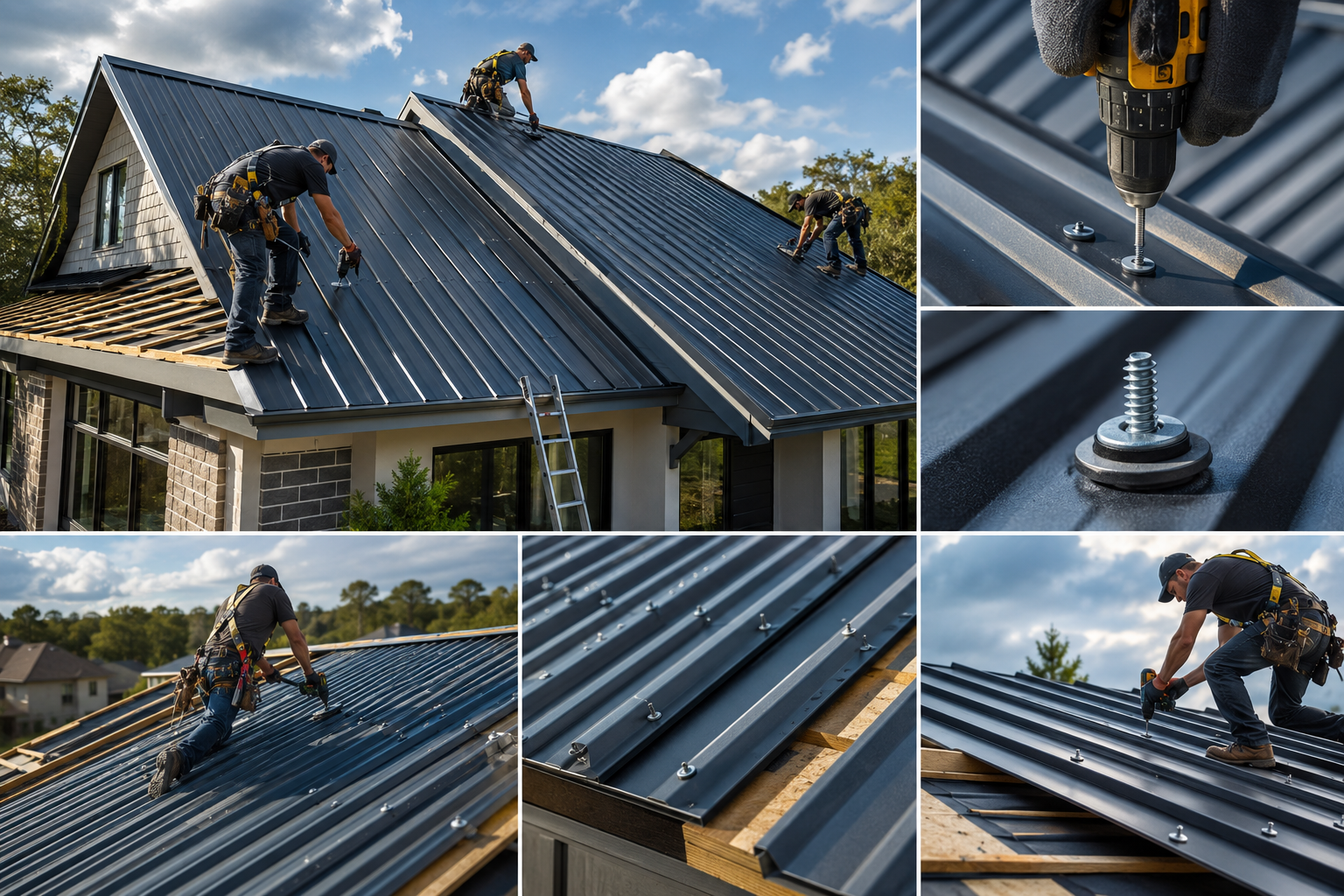
Metal roofing offers durability, energy efficiency, and a sleek modern look, making it a popular choice for many homeowners. However, the effectiveness of a metal roof largely depends on the proper installation of screws, which secure the roofing panels in place. Understanding the optimal screw fastening techniques is crucial to ensure your roof can withstand harsh weather and last for decades.
Importance of Correct Screw Fastening
Correct screw fastening is vital for preventing leaks and ensuring the structural integrity of your metal roof. Improperly placed screws can lead to water infiltration, wind damage, and even complete roof failure. By focusing on precise screw placement and spacing, you can maintain your roof’s longevity and performance.
A common question among homeowners is how many screws for metal roofing, metal roof screw spacing, metal roof screw pattern. These factors vary depending on the type of metal panel and the environmental conditions of your area. Let’s explore these considerations in detail.
Determining the Number of Screws
The number of screws required for a metal roof is not a one-size-fits-all answer. It depends on several factors, including the type of panel, the manufacturer’s recommendations, and local building codes. Generally, a standard recommendation is to use 80 to 100 screws per square, which translates to roughly one screw per square foot. However, this can vary based on panel thickness and wind exposure.
Factors Influencing Screw Count:
- Panel Type: Corrugated panels may require more screws due to their shape compared to flat panels.
- Wind Zone: Higher wind areas necessitate more screws to secure the panels firmly.
- Roof Slope: Steeper slopes might need fewer screws because water runoff is more efficient, reducing leakage risk.
Optimal Screw Spacing
The spacing between screws is equally important. Proper spacing ensures that the panels are held securely without excessive stress on any single point. Typically, screws should be placed at intervals of 12 to 18 inches along the panel’s length, and 24 to 30 inches across the panel’s width. Always refer to the manufacturer’s guidelines to ensure compliance with specific panel requirements.
Expert Insight:
According to industry experts, incorrect screw spacing can lead to panel warping and increased vulnerability to uplift forces during storms. Consistent spacing helps distribute these forces evenly across the roof surface.
Understanding Screw Patterns
Screw patterns can significantly influence the performance of your metal roof. The pattern you choose should facilitate even distribution of weight and provide maximum resistance against environmental forces. Common patterns include staggered and linear arrangements.
Popular Screw Patterns:
- Staggered Pattern: This involves alternating screws along the panel seams, providing enhanced wind resistance.
- Linear Pattern: Placing screws in straight lines is easier to install but may not offer as much resilience in high-wind zones.
Tips for Proper Installation
When installing screws, it’s crucial to ensure they are driven correctly to prevent leaks and damage:
- Use the Right Tools: A screw gun with adjustable torque settings is recommended for consistent screw depth.
- Check Screw Length: Ensure screws penetrate the roof deck adequately without over-penetrating.
- Avoid Over-Tightening: This can damage the panel and compromise the roof’s waterproofing ability.
- Inspect Regularly: Regular inspections help identify and rectify any loose or missing screws promptly.
Additional Considerations:
- Thermal Expansion: Consider the expansion and contraction of metal panels with temperature changes. This can affect screw tightness over time.
- Sealant Use: In some cases, applying a sealant around screws can enhance waterproofing, especially in vulnerable areas.
Conclusion
Ensuring your metal roof is securely fastened with the correct number and pattern of screws is essential for its longevity and performance. By adhering to the guidelines discussed, you can protect your roof against environmental challenges and enjoy its benefits for many years. Always consult with professionals or refer to manufacturer specifications for the best results tailored to your specific roofing needs.