

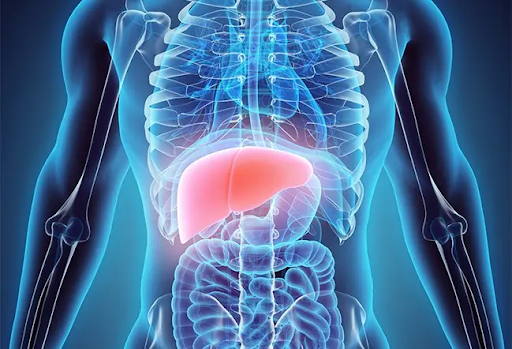
Liver health supports digestion, metabolism, and detoxification, making timely care important when concerns arise. Choosing the right centre can feel difficult with many options available. When evaluating a liver hospital in Delhi, it is important to consider medical expertise, diagnostic facilities, and patient support. A well-equipped centre should offer accurate diagnosis, appropriate treatment, and ongoing care under one roof. Understanding these key facilities can help patients and families make informed and confident decisions about liver care.
Qualified and Multidisciplinary Medical Team
A liver care centre should have a team of experienced specialists, including hepatologists, gastroenterologists, liver surgeons, and critical care experts. Each specialist plays a specific role in assessing and managing liver conditions. A multidisciplinary team allows different experts to review a case together, which can improve the accuracy of diagnosis and treatment planning. This approach ensures that patients receive well-considered care based on their specific condition.
Advanced Diagnostic Facilities
Early and accurate diagnosis is essential for effective liver care. A centre should provide access to tests such as liver function tests, imaging studies, and biopsy when required. Imaging methods like ultrasound, CT scans, and MRI scans help in identifying structural changes in the liver. Having these services within the same facility helps reduce delays and allows doctors to begin treatment without unnecessary waiting.
Availability of Specialised Liver Treatments
A liver care centre should offer a range of treatment options to address different medical needs. This helps doctors select the most suitable approach based on the patient’s condition and stage of illness. The following treatment options are commonly expected:
- Medication-Based Care: Doctors may manage certain liver conditions through monitored medical treatment and regular assessment.
- Interventional Procedures: Minimally invasive procedures may be used in specific cases to manage complications or support recovery.
- Surgical Care: In more advanced situations, surgical support may be required as part of the treatment plan.
Access to these options within one centre helps ensure timely and coordinated care for patients.
Liver Transplant Services
For patients with advanced liver conditions, transplant services may be required. A liver care centre should have the capability to evaluate patients for transplant suitability and provide the required surgical support. Equally important is post-transplant care, which includes monitoring recovery and managing long-term health. Access to a dedicated transplant team helps ensure continuity of care throughout the process.
Intensive Care and Emergency Support
Some liver conditions may require close monitoring and immediate attention. Intensive care units designed to manage liver-related complications are an important part of a well-equipped centre. These units should be staffed by trained professionals who can respond quickly to changing medical needs. Access to emergency services within the same facility provides added reassurance to patients and their families.
Infection Control and Patient Safety Standards
Maintaining a safe and clean environment is essential in any healthcare setting. Patients undergoing liver treatment may be more vulnerable to infections, so strict hygiene practices are important. A good liver care centre follows established safety protocols, including sterilisation of equipment and regular monitoring of cleanliness. These measures help reduce the risk of complications during treatment and recovery.
Patient Support Services
In addition to medical treatment, support services play an important role in improving the overall care experience. These services help patients manage their condition more effectively and maintain better daily routines. Common support facilities include:
- Dietary Guidance: Nutrition experts help patients understand food choices that support liver health.
- Counselling Support: Emotional support services help patients and families cope with ongoing treatment.
- Patient Education: Clear information about the condition and care process helps patients stay informed and engaged.
Such support services contribute to a more balanced and patient-centred approach to care.
Follow-Up and Long-Term Care
Effective liver care continues even after initial treatment. Regular follow-up helps doctors monitor recovery and identify any changes in the patient’s condition. A good centre ensures that patients have access to follow-up consultations, test results, and medical records. Clear communication between doctors and patients supports better understanding and helps maintain continuity of care.
Accessibility and Convenience
Practical factors such as location and ease of access can influence the overall treatment experience. Choosing a centre that is convenient to reach can reduce stress, especially when frequent visits are required. Key considerations include:
- Proximity to Home: Shorter travel distances can make regular consultations more manageable.
- Transport Availability: Easy access to public or private transport supports timely visits.
- Appointment Flexibility: Efficient scheduling systems help reduce waiting time and improve patient comfort.
For those considering a liver hospital in Delhi these factors can help ensure a smoother, more manageable care journey.
Conclusion
Selecting a liver care centre involves careful consideration of medical expertise, diagnostic facilities, treatment options, and patient support services. Each of these factors contributes to the quality of care and overall experience. By focusing on these key facilities, patients and families can make informed decisions and choose a centre that meets their healthcare needs with clarity and confidence.