

Booking a professional timing belt replacement service is the absolute single best action you can take for engine protection. This vital bit of routine upkeep ensures your engine components remain perfectly synchronised.
Through proactive timing system maintenance, drivers can easily avoid astronomical repair bills. Investing in this critical preventative work forms the very backbone of effective scheduled vehicle servicing.
What Exactly is a Timing Belt?
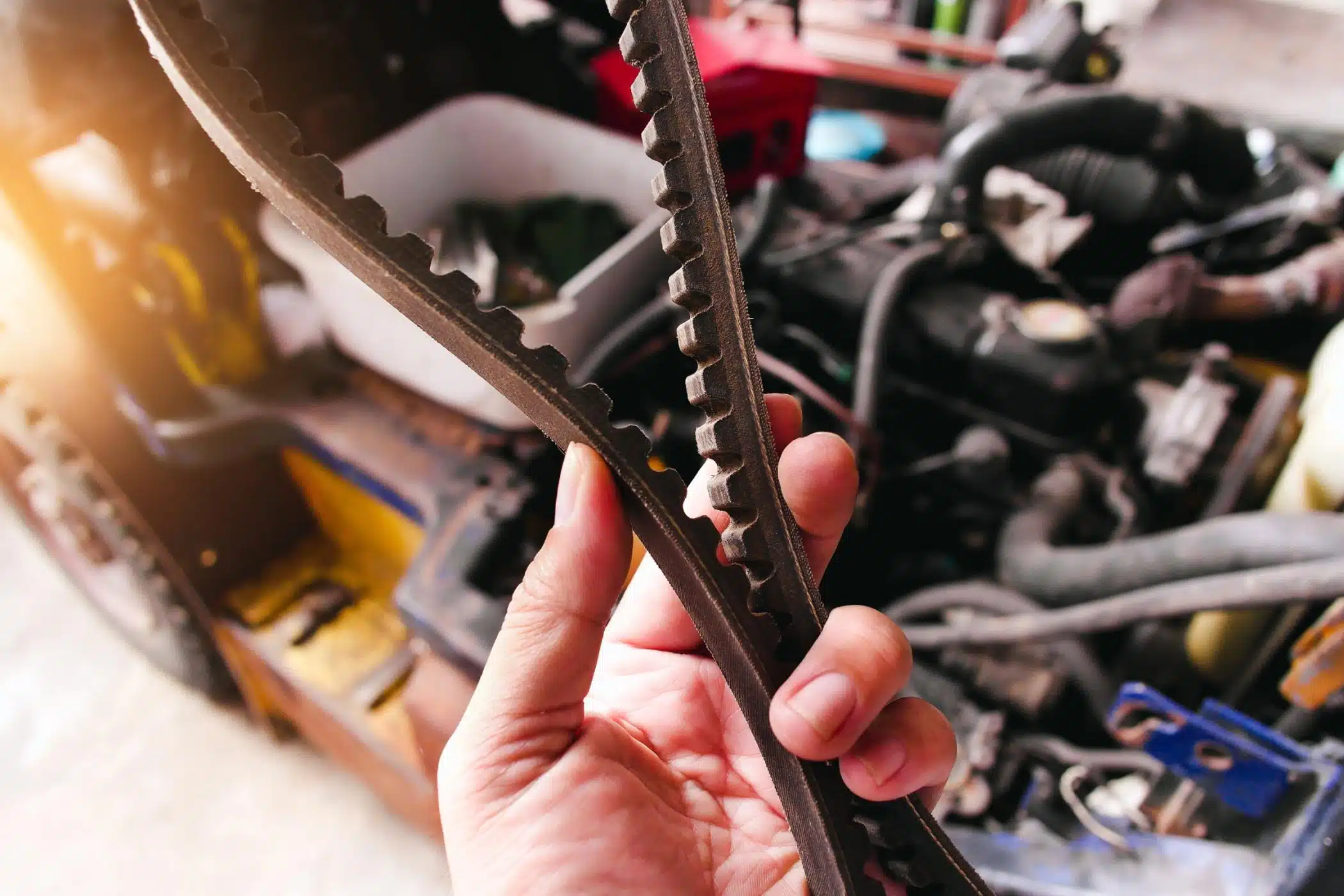
The timing belt is a reinforced rubber band with teeth on the inside. It sits under a protective plastic cover at the front of your car engine. This clever component links the crankshaft at the bottom to the camshaft at the very top.
Essentially, it regulates the opening and closing of your engine valves. The pistons move up and down, while the valves let fuel in and exhaust out. If the timing is off by even a millimetre, these parts will collide.
The Difference Between Interference and Non-Interference Engines
Not all car engines react the same way to a broken belt. Understanding your specific vehicle layout helps explain why a timing belt replacement service is so crucial.
- Interference Engines: In these designs, the valves and pistons share the same physical space inside the cylinder. They just occupy it at different times. If the belt snaps, they crash into each other at thousands of revolutions per minute.
- Non-Interference Engines: These layouts leave enough clearance between the valves and pistons. If the belt fails, the engine simply stops running without destroying itself internally.
Most modern UK vehicles utilize interference designs to achieve maximum fuel efficiency and power.
What Happens When a Cambelt Fails?
When a belt snaps while driving, the camshaft stops spinning instantly. However, your heavy pistons keep hammering upward due to pure momentum.
| Damaged Component | Typical Repair Required | Impact on Driver |
| Engine Valves | Full cylinder head rebuild | Severe power loss |
| Pistons | Complete piston replacement | Engine block damage |
| Camshaft | New camshaft installation | Major mechanical failure |
The resulting collision bends metal valves and smashes holes right through the pistons. This chaotic mechanical disaster is exactly what proper engine repair prevention aims to avoid.
Warning Signs You Need a New Belt
You cannot easily check the belt yourself because it remains completely hidden away. However, your car will often drop small hints that a timing belt replacement service is due.
-
Strange Squeaking or Ticking Noises
A worn belt often produces a distinct ticking noise from under the bonnet. This usually indicates the rubber has stretched or started to fray badly.
-
Engine Misfires and Rough Idling
If the belt stretches, it can easily slip on the gears. This minor slippage alters the precise valve timing and causes noticeable engine misfires.
When Should You Schedule a Replacement?
Every manufacturer sets a strict schedule for replacing this hard-working rubber component. For most UK cars, the interval sits between 60,000 and 100,000 miles.
Alternatively, time is just as important because rubber degrades naturally over the years. Most mechanics recommend a fresh belt every five to five more years regardless of mileage. Missing these crucial deadlines defeats the entire purpose of regular scheduled vehicle servicing.
Why Changing the Water Pump at the Same Time Makes Sense
During a timing belt replacement service, your mechanic strips down the front of the engine. The water pump sits directly behind the belt and shares the same mechanical pathway.
If the water pump fails later, you must pay the hefty labour costs all over again. Replacing both components simultaneously provides ultimate peace of mind and saves considerable money.
The True Financial Benefit of Prevention
A standard replacement job might seem relatively expensive at first glance. However, it pales in comparison to the cost of a brand-new engine.
Choosing consistent timing system maintenance keeps your hard-earned money safely in your bank account. It transforms a potential multi-thousand-pound nightmare into a predictable, manageable maintenance expense.
Conclusion
Prioritising a timely timing belt replacement service is the smartest way to protect your car. This simple choice saves you from sudden breakdowns on busy UK roads.
It safeguards your wallet from the terrifying costs of major mechanical rebuilds. Regular maintenance ensures your vehicle remains dependable and highly efficient for years to come. Do not wait for warning signs; check your vehicle handbook today.
FAQs
-
Is it allowed drive with a damaged timing belt?
You should never risk driving if you suspect your belt is heavily worn. A sudden failure while driving will cause severe internal engine destruction immediately. Booking a swift timing belt replacement service is the only safe option.
-
How much time does it take to replace a cambelt?
This complex mechanical job usually takes between three and five hours to complete. Mechanics must carefully dismantle the front sections of your engine to gain access. This is an essential part of timing system maintenance.
-
Is a timing belt the same as a timing chain?
No, a timing belt is made of rubber while a chain is constructed from durable metal. Chains generally last much longer and rarely feature in standard cambelt replacement intervals. However, rubber belts require much more frequent monitoring.
-
What does a timing belt replacement cost in the UK?
The total price generally ranges from three hundred to six hundred pounds depending on your car. This investment is vastly cheaper than replacing a completely ruined engine block. It represents the gold standard of effective engine repair prevention.
-
Why do timing belts degrade over time?
The rubber compound naturally breaks down due to extreme engine heat and constant structural tension. Oil leaks can make the material more soft and cause the teeth to slip. Regular inspections are vital for long-term engine protection.
-
Can a car mechanic visually inspect my timing belt?
A technician can remove the plastic covers to look for visible cracking or fraying. However, many belts look perfectly fine right up until the moment they snap. Trusting your manufacturer’s schedule is best for proper scheduled vehicle servicing.
-
Does my car have a timing belt?
You can find this specific information inside your official vehicle companion handbook. Alternatively, a local garage can look up your registration number to check. Knowing this detail helps you plan your timing system maintenance accurately.
-
What happens if the water pump seizes?
A seized water pump will instantly snap or strip the teeth off your belt. This sudden blockage causes the same catastrophic damage as a worn belt. That is why a timing belt replacement service usually includes a new pump.
-
Does car insurance cover a snapped cambelt?
Standard mechanical breakdowns are seldom covered by traditional UK motor insurance policies. Providers view a snapped belt as a clear failure of basic mechanical upkeep. Investing in a timely cambelt replacement keeps you fully protected.
-
Can I replace the timing belt myself at home?
This highly technical task requires specialist locking tools and advanced mechanical knowledge. A single tiny mistake with the alignment will destroy your engine instantly. It is always safest to leave this job to a timing belt replacement service.