

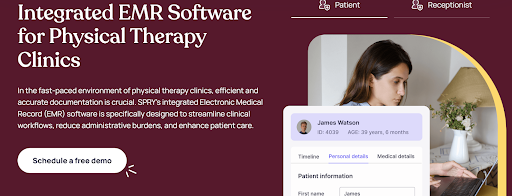
In the realm of physical therapy, efficiency and accuracy are paramount. This is where Electronic Medical Records (EMR) software comes into play.
EMR software for physical therapy is a game-changer. It streamlines operations, enhances patient care, and boosts profitability.
But with a plethora of options available, how do you choose the right one?
This guide will walk you through the top 5 EMR and clinic software for physical therapy in the US. We’ll delve into each software’s features, benefits, and how they cater to the specific needs of physical therapy practices.
One of the software we’ll explore is Sprypt, a popular choice among many practitioners.
By the end of this guide, you’ll have a clearer understanding of which EMR software could be the perfect fit for your practice. Let’s dive in.
Understanding EMR Software for Physical Therapy
EMR software is essential for modern physical therapy practices. It digitizes patient records, thereby reducing paperwork and manual errors.
This software is not just for storing data; it also enhances the entire treatment process. It streamlines communication, improves compliance, and ensures better data security.
For small business owners, understanding key features is crucial. You need software that aligns with your practice’s workflow and regulatory needs.
Here are some essential aspects to consider when choosing EMR software:
- Scheduling and Appointments: Efficient calendar management and reminders.
- Documentation Tools: Customizable templates for quick note-taking.
- Billing Integration: Streamlined invoicing and insurance processing.
- Reporting Capabilities: Detailed analytics for practice performance.
Selecting the right EMR software can significantly impact your clinic’s efficiency. It is a tool that fosters better patient management and care.
The Top 5 EMR Software Solutions for Physical Therapy
Selecting the perfect EMR software for your practice can be daunting. We’ve narrowed it down to the top five options, each offering unique features tailored to physical therapy.
From streamlining scheduling to ensuring compliance, these platforms can significantly enhance practice management. Investing in the right solution will lead to improved patient care and operational efficiency.
1. SpryPT
SpryPT is a promising EMR solution that stands out in the physical therapy domain. Tailored to meet specific needs, it offers a holistic approach to practice management.
One of SpryPT’s key features is its seamless integration capability. It connects effortlessly with other tools, ensuring a unified system for all aspects of practice management.
The platform’s interface is intuitive, making navigation straightforward, even for tech newcomers. This simplicity reduces the learning curve, allowing staff to adapt quickly.
Sprypt also emphasizes data security, adhering to HIPAA standards. This ensures patient information is kept safe from unauthorized access.
Moreover, the customizable templates offered by SpryPT are a game-changer. They allow therapists to document sessions efficiently, focusing more time on patient care.
In summary, SpryPT is a comprehensive solution built for physical therapists, prioritizing user-friendliness, integration, and security.
Key benefits of SpryPT include:
- AI-assisted documentation for faster and more accurate SOAP notes.
- Compliance with medical billing standards, reducing claim denials.
- Built-in telehealth capabilities for remote patient consultations.
- Automated scheduling and patient reminders to reduce no-shows.
- Seamless integration with other tools
- User-friendly interface
- HIPAA compliance
- Customizable documentation templates
- Robust data security
2. WebPT
WebPT is a popular choice among physical therapy practices, known for its extensive features and user-friendly design. It caters specifically to the needs of therapists.
One of its standout features is scheduling. WebPT includes a robust calendar system that minimizes missed sessions, maximizing clinic hours.
Documentation is another strength of WebPT, offering templates tailored to the specific needs of physical therapy sessions. This speeds up note-taking and reduces manual entry errors.
The billing integration in WebPT ensures smooth processing of invoices and insurance claims, reducing administrative burden. This means more time for patient care.
WebPT also includes analytics tools, allowing practices to evaluate performance metrics and make informed decisions. These insights are vital for practice growth.
The platform ensures data protection by adhering to HIPAA guidelines. This guarantees that patient data remains safe from breaches.
In conclusion, WebPT offers a comprehensive suite of tools tailored for physical therapists, from scheduling to analytics.
Benefits of WebPT:
- Advanced scheduling features
- Customizable documentation templates
- Efficient billing integration
- Performance analytics tools
- Secure and HIPAA-compliant
3. TheraOffice
TheraOffice provides a powerful EMR solution tailored for physical therapy practitioners, combining innovation with ease of use.
An impressive feature of TheraOffice is its mobile accessibility. This allows therapists to access patient records on the go, enhancing flexibility in patient care.
The platform is built for seamless workflow management from initial appointment scheduling to final billing. Every stage is simplified, reducing administrative load.
TheraOffice also offers a comprehensive reporting system. These reports support practices in evaluating operational performance and patient outcomes.
With its integration capabilities, TheraOffice easily connects with other healthcare systems, ensuring a streamlined and effective operation.
Data security is a priority with TheraOffice, as it guarantees HIPAA compliance. This provides peace of mind regarding patient data safety.
In summary, TheraOffice is designed to streamline operations and enhance patient care through its comprehensive and accessible features.
Benefits of TheraOffice:
- Mobile accessibility
- Streamlined workflow management
- Comprehensive reporting
- Easy integration with other systems
- HIPAA compliance
4. DrChrono
DrChrono is an all-encompassing EMR platform that offers flexibility and comprehensive features for physical therapy practices.
A standout feature of DrChrono is its strong focus on customizability. Practices can tailor the platform to suit their specific workflow and documentation needs.
The scheduling system in DrChrono is both effective and intuitive, reducing the chance of missed appointments and enhancing patient management.
In terms of billing, DrChrono streamlines the claims process, making it easier for practices to secure reimbursements and maintain cash flow.
The platform boasts advanced telehealth capabilities, enabling therapists to conduct remote sessions seamlessly. This expands access to care for more patients.
DrChrono is committed to data security, ensuring that all operations comply with HIPAA regulations. This safeguards patient information against potential breaches.
In essence, DrChrono is tailored for efficiency, flexibility, and security, catering to the nuanced needs of physical therapy practices.
Benefits of DrChrono:
- High customizability
- Effective scheduling
- Streamlined billing process
- Telehealth capabilities
- HIPAA-compliant
5. HelloNote
HelloNote offers a robust and adaptable EMR solution that caters to the specific needs of physical therapy clinics.
Its claim to fame is its user-centric design, featuring an intuitive interface that simplifies navigation and reduces the time spent on training.
HelloNote excels in integrating care with documentation, offering templates designed for efficiency and accuracy during therapy sessions.
The billing module within HelloNote ensures smooth operations, from claims submissions to tracking reimbursements, optimizing financial processes.
The platform also places emphasis on communication, facilitating seamless dialogue between therapists, patients, and other healthcare providers.
Data protection is another cornerstone, with HelloNote fully compliant with HIPAA, ensuring the protection of sensitive patient data.
Overall, HelloNote is an excellent choice for those seeking adaptability, ease of use, and a comprehensive feature set in their EMR solution.
Benefits of HelloNote:
- Intuitive user interface
- Efficient documentation templates
- Comprehensive billing system
- Enhanced communication tools
- HIPAA-compliant data protection
Choosing the Right EMR Software for Your Practice
Selecting the best EMR software requires careful consideration. The right choice will enhance your practice’s efficiency and patient care. Start by aligning software features with your clinic’s specific needs.
Evaluate the software’s flexibility in adapting to your practice’s growth. An ideal system should scale as your practice expands.
Lastly, involve your staff in the decision-making process. Their firsthand insight into daily operations can pinpoint necessary features.
Assessing Your Practice’s Needs
Begin by identifying the core functions your clinic relies on daily. Consider areas like scheduling, documentation, and billing.
Assess how the EMR software will integrate with your existing workflow. This will minimize disruptions during implementation.
Also, anticipate future needs. A forward-thinking approach ensures that the software supports your practice’s long-term goals.
Considering Cost and ROI
The cost of EMR software varies widely. Focus on evaluating the value it brings to your clinic.
Consider both upfront costs and ongoing fees. Weigh these against the potential return on investment.
Remember, an efficient EMR can save time and reduce errors. This investment often translates into significant cost savings over time.
Evaluating User Reviews and Testimonials
User reviews provide valuable insights into the software’s real-world performance. Look for feedback on reliability and ease of use.
Testimonials can shed light on customer support quality. Responsive support is crucial, especially during the initial setup phase.
Balancing both positive and negative reviews will give you a comprehensive understanding of each platform.
Implementation and Training: Getting the Most Out of Your EMR
The proper implementation of EMR software is critical to its success. A planned approach minimizes disruptions and maximizes efficiency gains.
Start with a clear timeline. Having definite phases helps track progress and address issues promptly.
Training your team is equally essential. Well-trained staff use the system efficiently, leading to better patient care and increased productivity.
The Importance of Technical Support and Training Resources
Technical support is a safety net when problems arise. Choose an EMR provider known for robust support services.
Invest in comprehensive training. Initial training can prevent mistakes and reduce resistance to new systems.
Also, consider ongoing training sessions. These keep the staff updated on software updates and advanced features.
Overcoming the Challenges of Transitioning to a New EMR System
Switching to a new EMR involves challenges, but with preparation, they are manageable. Communication is key; keep your team informed throughout the process.
Expect a learning curve. Be patient and allow staff time to adapt to new procedures.
Address concerns promptly. Encourage feedback to identify areas needing improvement, smoothing the transition for everyone involved.
The Future of EMR Software in Physical Therapy
The future of EMR software in physical therapy is promising and dynamic. As technology evolves, so does the potential for improving patient care.
We anticipate more personalized care through data-driven insights. This transition is expected to enhance treatment outcomes significantly.
Integration with modern technologies like AI is another trend. Such developments promise more accurate predictions and efficient practice management.
Emerging Trends and Innovations
Artificial Intelligence (AI), like AI scribe, plays a transformative role in EMR software. AI capabilities streamline processes and improve decision-making.
Telehealth integration is also rising. EMR systems increasingly support virtual consultations, providing flexibility and convenience for patients.
Moreover, mobile accessibility is improving. Practitioners can manage patient information on the go, enhancing the efficiency of their practice.
Preparing for Changes in Healthcare Technology
Adapting to technological advancements in healthcare requires foresight and strategy. Start by investing in scalable solutions that accommodate future innovations.
Stay informed about upcoming technologies. This awareness aids in seamless integration when new tools or features become available.
Finally, foster a culture of continuous learning. Equip your team to handle technological changes effectively, ensuring a smooth transition and continued success.
Conclusion
Selecting the right EMR software profoundly affects patient outcomes. A well-chosen system streamlines operations and enhances care quality.
With EMR, practitioners enjoy improved documentation and workflow. This efficiency translates into more time for patients and higher satisfaction.
Moreover, a robust EMR system supports compliance and data security. This ensures regulatory adherence and safeguards sensitive information.
EMRs are integral to modern physical therapy practices. The right system can elevate your practice, leading to better care and operational excellence.