

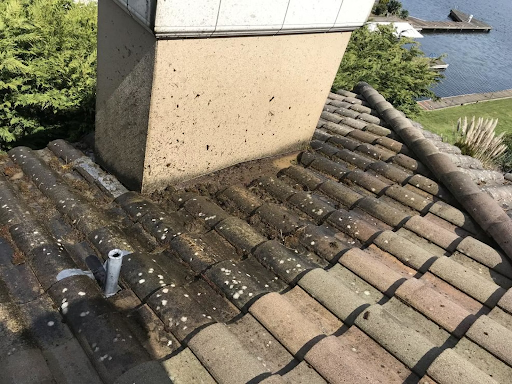
A leaky roof can be more than just a nuisance—it can lead to serious damage inside your home, from stained ceilings and mold growth to weakened structures and costly repairs. If you’ve ever had to place a bucket under a steady drip during a rainstorm, you know how stressful and frustrating it can be. The good news is that most roof leaks have common causes that can be identified and fixed before they become major problems. In this article, we’ll explore the most common reasons why roofs leak and how you can address each issue. Whether you’re a homeowner looking to prevent leaks or someone already dealing with water damage, this guide will help you understand what to watch for and what steps to take.
Damaged or Missing Shingles
One of the most visible signs of roof problems is damaged or missing shingles. Shingles can crack, curl, or blow off in heavy winds or storms. When that protective layer is compromised, water can seep underneath and make its way into your home.
How to fix it: Replacing damaged shingles is usually straightforward. If only a few shingles are affected, you can carefully remove the broken pieces and slide in new ones. However, if large areas are damaged, it might be time for a more extensive repair or even a roof replacement. It’s best to have a professional assess the situation.
Clogged Gutters
Gutters are essential for directing water away from your roof and foundation. When they’re clogged with leaves, twigs, or debris, water can back up onto the roof. This standing water can weaken the roofing materials and cause leaks.
How to fix it: Clean your gutters regularly, especially during the fall when leaves are falling. Installing gutter guards can also help reduce buildup. If your gutters are sagging or pulling away from the house, they may need to be resecured or replaced.
Cracked Flashing
Flashing is the metal that seals roof edges, valleys, and the area around chimneys, skylights, or vents. Over time, flashing can crack, corrode, or come loose, allowing water to enter through gaps.
How to fix it: Damaged flashing should be replaced as soon as possible. A roofing professional can remove the old flashing and install new metal to properly seal the area.
Poor Roof Installation
Even a brand-new roof can leak if it isn’t installed correctly. Poor installation practices—like improper sealing, incorrect flashing, or using low-quality materials—can lead to problems very quickly.
How to fix it: Unfortunately, a poorly installed roof often needs to be redone. This is why it’s essential to hire a reputable contractor with experience. If you’re located in New York City, a trusted roofing company in NYC can assess your roof and recommend the best course of action.
Broken or Worn-Out Seals Around Vents and Skylights
Roof vents and skylights are great for ventilation and natural light, but they can also be weak spots if not properly sealed. Over time, the rubber or sealant around these features can degrade.
How to fix it: Inspect the seals around your vents and skylights. If you see cracks or gaps, you can apply a fresh layer of roofing sealant. However, if the damage is severe, replacing the flashing or the entire vent/skylight may be necessary.
Ice Dams in Winter
In colder climates, ice dams can form when heat from the attic melts snow on the roof, which then refreezes at the edges. This ice buildup can prevent proper drainage and force water back under the shingles.
How to fix it: To prevent ice dams, ensure your attic is well-insulated and ventilated to maintain a consistent roof temperature. During the winter, use a roof rake to remove snow buildup after storms. In cases where ice dams cause significant leaking, professional removal and repair may be needed.
Aging Roof
Like anything else, roofs have a lifespan. Most asphalt shingle roofs last 20-30 years. Over time, materials break down and become less effective at keeping out water.
How to fix it: If your roof is approaching the end of its expected life, it may be more cost-effective to replace it than to continue patching leaks. An experienced roofing company in NYC can evaluate your roof’s condition and help you plan for a replacement that fits your budget and timeline.
Roof Debris
Branches, leaves, and other debris can pile up on your roof, especially in corners or valleys. This buildup can trap moisture, leading to rot and leaks over time.
How to fix it: Regularly inspect your roof and safely remove any debris. Use a roof rake or hire a professional to handle cleaning—especially if your roof is steep or hard to access.
Improper Attic Ventilation
A poorly ventilated attic can trap heat and moisture, which weakens your roof structure and causes condensation that drips back into the home.
How to fix it: Make sure your attic has proper vents to allow air to flow in and out. This not only extends the life of your roof but also helps with energy efficiency and indoor comfort.
Neglected Maintenance
Routine roof inspections and small repairs can prevent most leaks from ever happening. Ignoring minor issues can allow them to grow into costly problems over time.
How to fix it: Schedule regular roof inspections, especially after storms or seasonal changes. If you spot any issues—like missing shingles, cracks, or water stains inside your home—take action quickly.
When to Call a Professional
While some roof repairs can be DIY, others require professional expertise. If you’re unsure about the extent of the damage or how to fix it safely, don’t hesitate to reach out to a licensed roofer.
If you’re in the New York City area, Brick Tech Contracting Corp is a reliable option for both roof repair and full replacements. As an experienced roofing company in NYC, they offer quality service with a focus on long-lasting results and customer satisfaction.
Final Thoughts
Roof leaks are a common issue for homeowners, but they don’t have to be a nightmare. Understanding the causes and taking proactive steps can protect your home and save you money in the long run. Whether it’s regular maintenance, prompt repairs, or hiring the right professionals, every step you take toward caring for your roof is a step toward a safer, more secure home.
Don’t wait for the next downpour—inspect your roof today and keep your home dry and damage-free!