

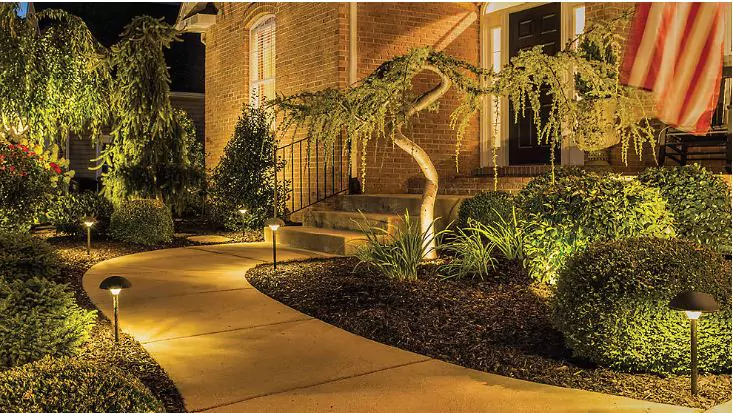
Outdoor lighting often takes a backseat in landscape design, but the right lighting can truly elevate your space. It not only improves functionality by illuminating pathways or decks but also enhances the overall ambiance of your yard, turning it into a haven after dark. Low voltage landscape lighting offers the perfect solution for homeowners who want a blend of style, safety, and efficiency.
If you’re unfamiliar with low voltage lighting or unsure of how to incorporate it into your outdoor setup, this guide will walk you through everything you need to know—from benefits and design ideas to installation tips.
What Is Low Voltage Landscape Lighting?
Low voltage landscape lighting uses a 12-volt electrical system, unlike the 120-volt standard electricity in your home. Through a transformer, household voltage is converted into a safer, less powerful current that’s ideal for outdoor use.
This energy-efficient lighting is perfect for enhancing pathways, garden features, patios, and decks while being safe for DIY installation.
Why You Should Choose Low Voltage Landscape Lighting
Why is low voltage lighting a homeowner’s top choice for outdoor spaces? Here are some of its key benefits:
1. Energy Efficiency
Low voltage lighting consumes significantly less electricity than high-voltage systems. When paired with LED bulbs, it becomes even more energy-efficient, allowing you to enjoy stunning lighting without spiking your electricity bills.
2. Enhanced Safety
Because of its reduced voltage, there’s a lower risk of electrical shock, making it safe to use around kids, pets, and even near pool areas.
3. Easy Installation
Unlike high-voltage systems that require professional electricians, low-voltage lighting is typically plug-and-play, making it a cost-effective DIY project for many homeowners.
4. Customizable and Versatile
From functional pathway lighting to decorative uplights that highlight trees, low-voltage lighting offers endless design possibilities to suit your outdoor aesthetic.
5. Cost Savings in the Long Run
The initial setup might require a small investment, but the energy savings and minimal maintenance over time make it one of the smartest choices for outdoor lighting.
The Essential Components of a Low Voltage Lighting System
Understanding the core elements of a low-voltage system can make installation and customization incredibly straightforward. Here’s a breakdown of what you’ll need:
1. Transformer
The transformer converts your household’s 120-volt current to a safer 12-volt output. Choose a transformer with enough wattage to support the total wattage of all your fixtures.
2. Low Voltage Cables
Cables distribute power from the transformer to the fixtures. Select cables with the appropriate gauge depending on the distance between your transformer and the lights.
3. Lighting Fixtures
Various fixtures like path lights, spotlights, and floodlights can be chosen depending on your design goals.
4. LED Bulbs
LEDs are highly recommended due to their energy efficiency and long lifespan, minimizing replacements and running costs.
Creative Design Ideas for Low Voltage Landscape Lighting
Low-voltage lighting can be the highlight of your outdoor space. Here are some inspiring ways to use it:
1. Light Up Pathways and Driveways
Path lights ensure safe navigation and enhance the aesthetic appeal of your walkways and driveways. Space them evenly for a polished look.
2. Highlight Garden Features
Draw attention to focal points like trees or flower beds using spotlights or uplights. Use warm tones for a welcoming ambiance.
3. Enhance Decks and Patios
Create an inviting space for entertaining by adding recessed lights to stairs and railings. For an extra cozy feel, incorporate string lights or lanterns.
4. Illuminate Water Features
Show off your pools, fountains, or ponds, even at night. Use submersible lights or weatherproof spotlights for a magical effect.
5. Use Uplighting and Downlighting for Drama
Uplighting directs light upwards to highlight tall structures, while downlighting mimics moonlight for a serene aesthetic.
Step-By-Step Guide to Installing Low Voltage Lighting
Installing low voltage landscape lighting doesn’t have to be intimidating. Follow these steps for a smooth setup:
Step 1: Plan Your Layout
Sketch a map of your outdoor space, marking areas that need illumination and deciding on the types of fixtures to use.
Step 2: Choose the Right Transformer
Calculate the total wattage needed by adding up the wattage of all your fixtures, and ensure your transformer can handle the load with some leeway for future upgrades.
Step 3: Place Your Fixtures
Position fixtures at their designated spots. Hide them behind foliage or structures to maintain a natural aesthetic.
Step 4: Connect the Wiring
Lay down the low-voltage cables, connecting them securely to both the transformer and the fixtures. Ensure all connections are waterproof.
Step 5: Test Your System
Power up the system before burying the cables to ensure everything works correctly. Make final adjustments to light angles and brightness as needed.
Pro Tips for Choosing the Right Low Voltage Lighting
Here are a few essential considerations to ensure you pick the best lighting for your landscape:
- Durability Matters: Look for weather-resistant or waterproof fixtures to withstand outdoor conditions.
- LED Compatibility: Make sure your lighting supports LED bulbs for maximum savings and longevity.
- Design Compatibility: Select lighting with finishes and styles that match your overall landscape aesthetic.
- Adjustable Options: Opt for fixtures with adjustable brightness to set the perfect mood.
Elevate Your Landscape with Low Voltage Lighting
Low voltage landscape lighting is more than just a lighting solution. It’s an opportunity to create a functional, stylish, and welcoming outdoor environment for your family and guests. Landscape Lighting enhances curb appeal, improves nighttime visibility, and adds layers of dimension to your yard. Whether you’re illuminating pathways, framing garden beds, or spotlighting architectural features, the right setup can completely transform how your space is experienced after dark. With its energy-efficient operation and design flexibility, it’s a choice that balances practicality and beauty, bringing elegance and safety together under the stars. Want to transform your backyard into a glowing oasis? Start exploring low voltage lighting options today to bring your vision to life.