

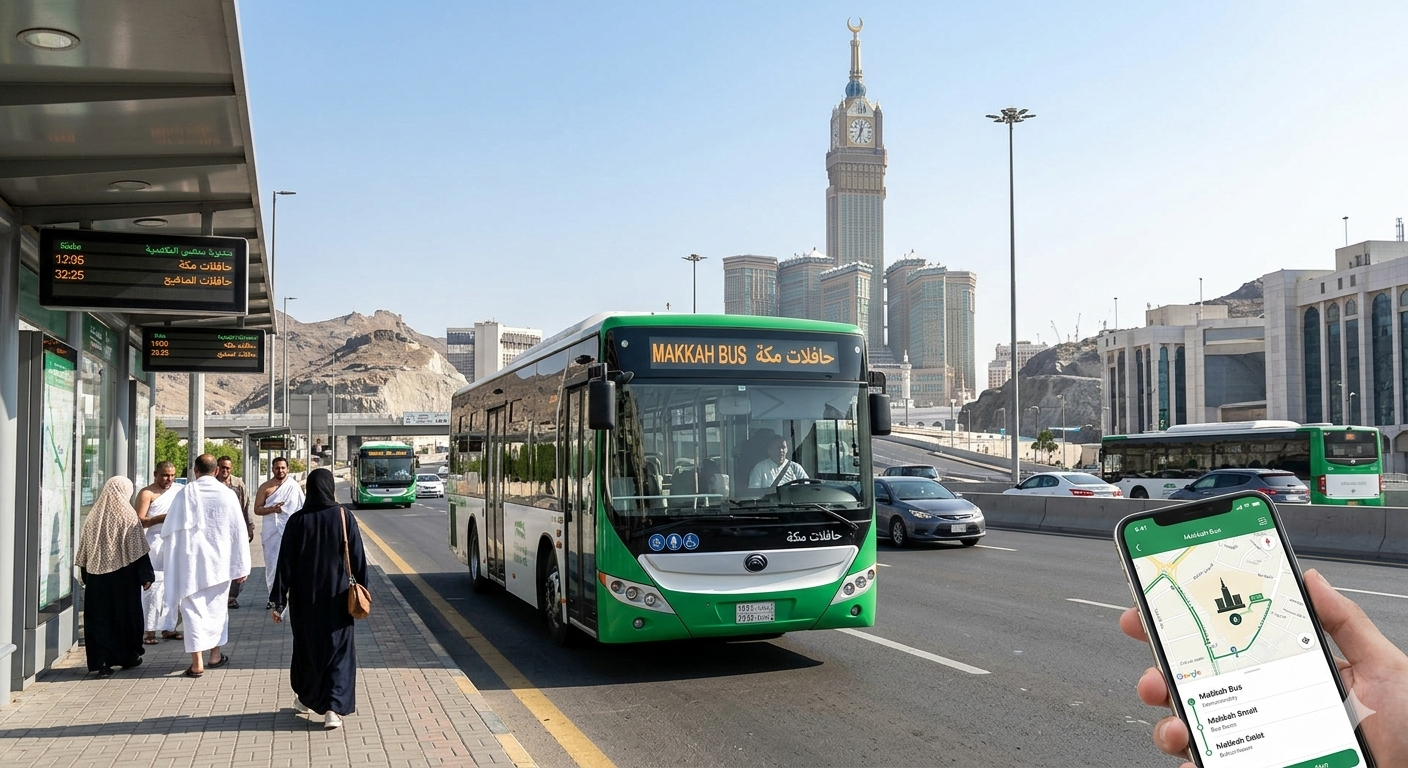
The landscape of Makkah has undergone a profound transformation over the last few years. With the influx of millions of pilgrims annually for Hajj and Umrah, the Saudi government’s Vision 2030 initiatives have prioritized infrastructure, specifically in the realm of public transportation. As the city evolves into a smart, visitor-friendly hub, the introduction of an efficient, high-capacity bus network has become a cornerstone of the modern pilgrimage experience.
The Shift to Digital and Public Transit
Gone are the days when navigation in the holy city was entirely dependent on private taxis or walking long distances. Today, the modern pilgrim relies on integrated public transport systems to navigate between hotels, the Masjid al-Haram, and surrounding holy sites. Understanding these routes is vital for saving time and money. For those planning their journey, having access to a clear, up-to-date guide like the Makkah Bus Route is essentially the first step in ensuring a stress-free trip.
This digital-first approach to transportation is just one facet of the broader information ecosystem provided by platforms like Khaleej Blog, which continuously strives to keep expatriates and visitors informed about the nuances of living and traveling within the Kingdom of Saudi Arabia.
Bridging the Gap Between Pilgrimage and Regional Tourism
While Makkah serves as the primary destination for spiritual travelers, the GCC region itself has become a magnet for international tourists. It is common practice for pilgrims to combine their spiritual journey with a visit to neighboring hubs. Dubai, for instance, offers a stark contrast in urban planning and is often a secondary stop for travelers arriving in the Middle East.
Effective transit is a shared priority for both Saudi Arabia and the UAE. Just as one must master the bus routes in Makkah to traverse the city, one must also understand the transit nuances of other major cities to enjoy a seamless trip. Travelers often rely on comprehensive resources like Travel Blog Dubai to navigate the complex yet highly efficient metro and bus systems of the UAE, ensuring their transit between luxury retail, desert safaris, and cultural landmarks remains uninterrupted.
Global Transit Trends: Lessons from Europe
Modernizing city transit isn’t just a Middle Eastern trend; it is a global necessity. Cities across the world are racing to reduce traffic congestion and carbon footprints through public transit. Europe, with its historic cities and high tourist footfall, has mastered the art of “walkable cities” and public transport connectivity.
For the modern traveler, the skills learned while navigating the bus networks of the Middle East—such as reading transit maps, understanding ticketing apps, and timing peak hours—are highly transferable. Whether you are navigating the U-Bahn in Germany or the rail networks in France, the ability to find reliable information is paramount. Engaging with specialized travel guides, such as the European Travel Blog, provides travelers with the insights needed to navigate European transit infrastructure with the same ease and confidence they now bring to their travels in the GCC.
Why Reliable Information Matters
Whether you are a local resident, a long-term expat, or a short-term visitor, information is your most valuable asset. The difference between a smooth travel experience and a frustrating one often comes down to preparation.
- Plan Ahead: Always research the public transport availability before arriving at your destination.
- Use Digital Maps: Utilize apps that provide real-time updates on bus schedules and delays.
- Keep Backup Records: Always have a digital or printed copy of transit routes, especially when traveling in a foreign language environment.
Final Thoughts
The modernization of transport networks, exemplified by the Makkah bus system, is a testament to how infrastructure can simplify complex travel needs. By leveraging digital resources and staying informed through dedicated travel platforms, visitors can focus on what truly matters—the spiritual and cultural enrichment of their journey. As we move forward, the integration of technology into public transit will only continue to bridge the gap between distant lands, making the world feel much more connected.