

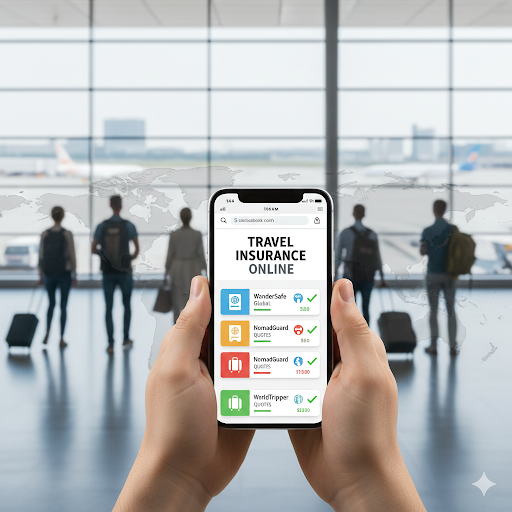
The excitement of planning a trip, scrolling through breathtaking photos of distant lands, imagining the taste of exotic cuisine, and finalizing those flight and hotel bookings, often overshadows one crucial step: securing travel insurance online. Many travelers, in their eagerness, view it as an optional extra, an unnecessary expense. However, in an unpredictable world, travel insurance is less of a luxury and more of a necessity.
Gone are the days of filling out lengthy forms at a travel agent’s office. Today, the entire process, from getting travel insurance quotes to purchasing a policy, can be done from the comfort of your home, often in a matter of minutes. But just because it’s easy doesn’t mean you should rush it. Understanding what you’re buying, comparing options effectively, and ensuring you have adequate coverage is paramount to a worry-free journey.
Why the Digital Shift for Travel Insurance is a Breakthrough
The move towards digital platforms for travel insurance isn’t just about convenience; it’s about empowerment. It puts the consumer firmly in control, offering unprecedented transparency and choice that traditional methods simply can’t match.
- Instant Comparisons: With just a few clicks, you can pit policies from multiple providers against each other, comparing benefits, exclusions, and prices side-by-side. This speed allows for informed decisions without pressure.
- Customization at Your Fingertips: Online portals allow you to tailor policies to your specific needs. Adding coverage for adventure sports, pre-existing medical conditions, or expensive gadgets can be done with simple toggles, letting you see the immediate impact on your premium.
- Cost Savings: Digital operations often mean lower overheads for insurance providers. These savings are frequently passed on to the customer in the form of competitive premiums or exclusive online discounts, making comprehensive coverage more accessible.
Demystifying Travel Insurance Quotes: What Information Do You Need?
The accuracy of your online travel insurance quotes hinges entirely on the information you provide. Skimping on details or making assumptions can lead to an invalid policy when you need it most. Before you start your search for travel insurance quotes, have the following essential details at hand:
- Travel Dates: The exact start and end dates of your trip are crucial. Even a single day difference can alter the premium.
- Destinations: Some countries carry higher risk profiles, influencing the cost. Be precise about all countries you plan to visit, even for layovers.
- Ages of All Travelers: The age of the oldest traveler often significantly impacts the premium, especially for those over 65.
- Purpose of Travel: Leisure, business, adventure sports, or study abroad can all require different types of coverage.
- Pre-existing Medical Conditions: This is perhaps the most critical. Always declare any existing health issues to ensure they are covered. Failing to do so can invalidate your policy.
Decoding Your Policy: Essential Coverage Types to Understand
Travel insurance isn’t a one-size-fits-all product. A basic policy might cover cancellations, but what if you break your leg skiing? Understanding the different components is key to choosing wisely.
1. Emergency Medical Coverage
This is arguably the most vital part of any policy. It covers unforeseen medical expenses while abroad, including hospital stays, doctor visits, and emergency dental work. Repatriation (being flown home for medical treatment) is also often included and can cost hundreds of thousands of dollars without insurance.
2. Trip Cancellation/Interruption
Life happens. This coverage protects your non-refundable deposits and prepaid expenses (flights, hotels, tours) if your trip is canceled or cut short due due to unforeseen circumstances like illness, natural disaster, or a family emergency.
3. Baggage Delay & Loss
Few things are more frustrating than your luggage going missing. This coverage provides reimbursement for essential items if your bags are delayed and compensation if they are permanently lost or stolen.
4. Travel Delay
If your flight is significantly delayed, this covers expenses like meals, accommodation, or transportation that you incur due to the delay.
5. Personal Liability
Accidents can happen even when you’re careful. If you accidentally injure someone or damage property while traveling, this covers legal fees and compensation claims against you.
Common Pitfalls to Avoid When Buying Online
While the internet makes purchasing easy, it also makes it easy to overlook critical details. Avoid these common mistakes:
- Ignoring the Fine Print: Always read the Product Disclosure Statement (PDS) or policy wording. This document outlines exactly what is and isn’t covered. Pay close attention to exclusions.
- Under-Insuring Medical Conditions: Thinking you can “get away” with not declaring a pre-existing condition is a dangerous gamble. If you make a claim related to an undeclared condition, your entire policy could be voided.
- Not Covering All Activities: Planning to scuba dive, bungee jump, or ski? Many standard policies exclude “hazardous activities.” Ensure you add specific coverage if your trip involves adventure sports.
- Purchasing Too Late: While you can often buy travel insurance up to the day of departure, purchasing it closer to your initial booking date (flights, accommodation) provides better cancellation coverage. If you buy it weeks before departure, and then fall sick a week before your trip, you’re covered. If you buy it a day before departure, and you fall sick a week before, you wouldn’t be.
The Secret to Finding the Best Travel Insurance Online
There isn’t a single “best” travel insurance provider. The ideal policy depends entirely on your specific trip, health, and budget. However, these strategies will help you find the best value:
- Compare Multiple Providers: Don’t just get one quote. Use comparison websites, but also check individual insurer websites directly, as they sometimes offer exclusive deals.
- Consider Annual vs. Single Trip: If you travel frequently (more than 2-3 times a year), an annual multi-trip policy often works out cheaper than buying separate single-trip policies.
- Look for Bundling Options: Some credit card companies offer complimentary travel insurance, but always check the extent of their coverage. Similarly, some home or car insurers might offer discounts if you bundle travel insurance.
Expert Tip: After you get a quote, if you have any doubts or complex questions, don’t hesitate to call the insurance provider’s helpline. A quick conversation can clarify ambiguities and ensure you’re fully confident in your purchase. Customer service reviews can also be a good indicator of how an insurer handles claims.
Final Checklist Before You Click “Buy”
Before you finalize your travel insurance online purchase, give your policy a final once-over:
- Check the Sum Insured: Are the medical coverage limits sufficient for your destination (e.g., millions for the USA)? Is the baggage cover enough for your electronics and valuables?
- Review Excess/Deductible: This is the amount you pay out-of-pocket for each claim. A higher excess usually means a lower premium, but ensure it’s an amount you can comfortably afford in an emergency.
- Confirm Emergency Contact Details: Make sure you have the 24/7 emergency assistance number saved in your phone and ideally, a physical copy in your wallet.
- Print and Share: Print a copy of your policy documents and leave one with a trusted family member or friend. Email a copy to yourself and store it on cloud platforms for easy access.
Investing in travel insurance is investing in peace of mind. It’s the safety net that allows you to fully immerse yourself in the adventure, knowing that unexpected bumps in the road won’t derail your finances or turn a dream trip into a nightmare. Do your research, understand your needs, and travel confidently.