

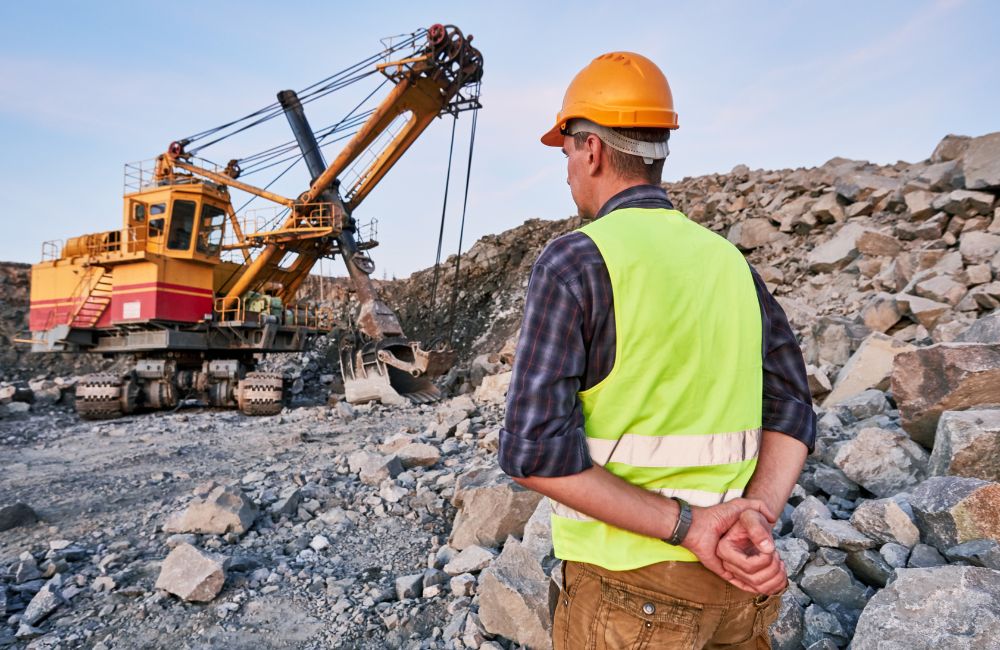
Excavation is a fundamental process in construction and land development projects. Whether for residential, commercial, or industrial purposes, proper excavation lays the groundwork—literally—for any structure’s success. Professional Excavation Services encompass a broad range of activities, equipment, and expertise aimed at preparing a site efficiently and safely.
In this article, we will explore what excavation services involve, why they are vital to any building project, the different types of excavation, common challenges, and tips for choosing the right excavation provider.
What Are Excavation Services?
At its core, excavation refers to the removal of earth, rock, or other materials from a site. This process can involve digging trenches, foundations, basements, or entire plots of land to prepare for new construction or infrastructure installation.
Professional excavation services include site clearing, grading, trenching, foundation digging, and earthmoving. These services often require specialized heavy machinery such as backhoes, bulldozers, excavators, and dump trucks. The skill involved ensures that excavation is done efficiently, minimizing soil displacement and preventing damage to underground utilities.
Why Are Excavation Services Critical?
Excavation is often the first step in a construction project and is essential for several reasons:
- Foundation Preparation: Buildings require a stable and level base. Excavation creates precise spaces for concrete footings, basement floors, and utilities.
- Drainage Management: Proper grading and earth removal prevent water accumulation that can weaken structures or cause flooding.
- Infrastructure Installation: Roads, pipelines, sewer lines, and cables require trenches and space, which excavation provides.
- Site Accessibility and Safety: Clearing and leveling land allow machinery and workers to operate safely and efficiently.
Mistakes in excavation can cause costly delays, structural problems, or even legal liabilities. Hiring experienced excavation professionals is therefore a wise investment.
Types of Excavation Services
Excavation work varies depending on the project scope, soil conditions, and structural requirements. Here are some of the main types of excavation:
1. Topsoil Excavation
This involves removing the uppermost layer of soil, rich in organic matter. It’s usually stockpiled for later use in landscaping and gardening after construction.
2. Trenching
Creating narrow, deep channels in the earth, trenching is essential for laying pipes, cables, or footings. Precision is key to ensure correct depth and slope.
3. Foundation Excavation
This is digging to create a stable base for buildings, including footings and basements. It requires accuracy to comply with architectural plans and safety codes.
4. Grading and Levelling
Grading modifies the slope of land to promote proper drainage and foundation stability. Leveling flattens the site for construction or landscaping.
5. Mass Excavation
Also called bulk excavation, this process removes large volumes of earth to shape the landscape or prepare for large-scale projects like highways or dams.
6. Dewatering
In some cases, excavation sites require removal of groundwater or rainwater to keep the area dry during construction.
Each type demands specific equipment and expertise, so choosing the right contractor with a diverse skill set is crucial.
Equipment Used in Excavation Services
Excavation relies on a range of machinery tailored to different tasks:
- Excavators: Versatile machines with long arms and buckets used for digging, lifting, and earthmoving.
- Bulldozers: Powerful dozers push large amounts of earth, clear land, and assist in grading.
- Backhoes: Combines digging and loading capabilities, suitable for smaller excavation projects.
- Skid Steer Loaders: Compact and agile for tight spaces, used for grading and light digging.
- Dump Trucks: Transport excavated materials offsite or bring in fill dirt.
- Compactors: Compress soil and gravel to stabilize the ground post-excavation.
The proper use of this equipment not only speeds up the process but also reduces risks and ensures compliance with safety standards.
Common Challenges in Excavation Projects
Excavation can face several obstacles, especially when dealing with complex site conditions:
- Unstable or Rocky Soil: Rocky terrain or loose soil can complicate digging and require specialized equipment.
- Water Table Issues: High groundwater levels may need dewatering solutions to avoid flooding or soil instability.
- Underground Utilities: Unknown or unmarked utility lines present a risk of damage and accidents.
- Environmental Regulations: Protecting local ecosystems and complying with legal restrictions requires careful planning.
- Weather Conditions: Heavy rain or freezing temperatures can delay or hinder excavation efforts.
Experienced excavation companies anticipate and navigate these challenges, ensuring project timelines and budgets remain intact.
How to Choose the Right Excavation Services Provider
Selecting a trustworthy and capable excavation service provider involves several considerations:
- Experience and Expertise: Look for companies with proven track records on similar projects.
- Licensing and Insurance: Verify credentials to protect yourself from liability.
- Equipment Availability: Ensure they have the right machinery for your project size and type.
- Safety Protocols: Ask about their safety standards and training programs.
- Customer Reviews and References: Feedback from previous clients provides insight into reliability and quality.
- Environmental Practices: Choose providers who emphasize sustainable excavation and site restoration.
A qualified excavation contractor acts as both a technical expert and a partner in your construction success.
Environmental Impact and Sustainable Practices in Excavation
As construction demands grow, so does the need for environmentally responsible excavation. Sustainable practices in excavation services focus on:
- Minimizing Land Disturbance: Using precise excavation methods to reduce unnecessary earth movement.
- Recycling Materials: Reusing excavated soil and rock where possible.
- Protecting Local Wildlife and Vegetation: Avoiding damage to nearby ecosystems.
- Erosion Control: Implementing barriers and drainage to prevent soil erosion.
- Water Management: Proper handling of stormwater and groundwater to avoid contamination.
Contractors committed to green practices not only protect the environment but also comply with increasingly stringent regulations.
The Future of Excavation Services
Advancements in technology continue to revolutionize excavation work:
- GPS and Laser Guidance: Modern machinery equipped with GPS and laser systems can dig with millimeter accuracy.
- Remote-Controlled Equipment: Enhances safety by operating in hazardous zones remotely.
- 3D Modeling and Planning Software: Improves precision in project planning and reduces costly errors.
- Eco-Friendly Equipment: Electric and hybrid machines reduce carbon emissions on site.
As these innovations become mainstream, excavation services will become more efficient, safer, and environmentally friendly.
Conclusion
Excavation services are indispensable for any construction or land development project. They provide the essential groundwork needed for safe, stable, and successful building. Understanding the different types of excavation, the machinery involved, challenges faced, and how to select a professional provider ensures your project begins on the right foot.
Investing in expert Excavation Services pays dividends in the long run by safeguarding your property, saving time and money, and supporting sustainable development. Whether you’re preparing a foundation, laying utilities, or shaping the landscape, professional excavation lays the path to your project’s success.