

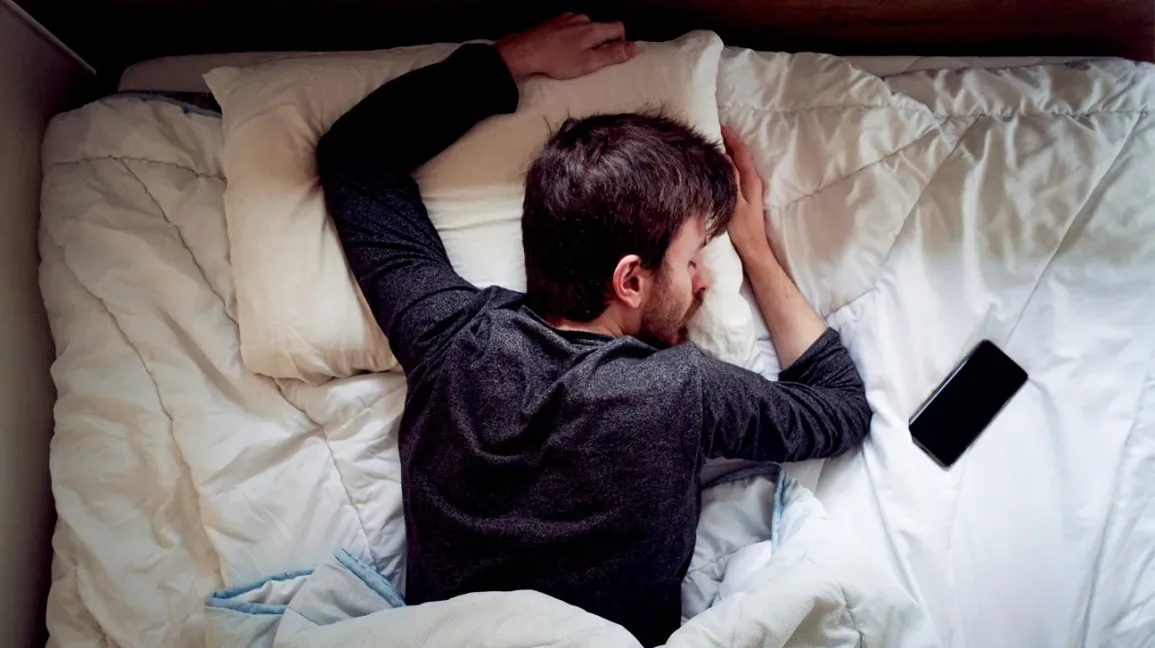
Modern lifestyles have changed the way many men experience daily wellness, energy, and emotional balance. In many cases, the early indicators of declining male wellness and confidence appear gradually rather than all at once. Reduced motivation, low stamina, disrupted sleep, mood fluctuations, and declining self-confidence are often overlooked because they can develop slowly over time.
Understanding these changes early can help individuals make informed lifestyle adjustments before these concerns begin affecting productivity, relationships, and overall quality of life. At the same time, recognizing the emotional and physical contributors to men’s wellness challenges can encourage a more balanced and practical approach to long-term well-being.
Why Men Often Ignore Early Wellness Changes
Many men normalize persistent fatigue or emotional exhaustion as a routine part of adult life. Work pressure, irregular schedules, poor recovery habits, and constant mental strain can gradually reduce overall vitality without creating obvious warning signs at first.
Because these changes often appear subtly, they may go unnoticed until they begin interfering with concentration, motivation, or confidence in daily activities. Ignoring these patterns for extended periods can also affect emotional resilience and long-term lifestyle stability.
Common Early Indicators That Should Not Be Ignored
The early indicators of declining male wellness and confidence are not always dramatic. In many situations, they begin with small but consistent lifestyle disruptions.
Some commonly reported signs include:
- Reduced physical stamina during routine activities
- Difficulty maintaining focus throughout the day
- Increased irritability or emotional frustration
- Lack of motivation despite adequate rest
- Changes in sleep quality or recovery patterns
- Lower confidence in professional or social environments
These concerns are often connected to broader wellness factors rather than a single issue. Paying attention to recurring patterns can help individuals identify where lifestyle adjustments may be necessary.
The Connection Between Emotional and Physical Health
One of the most overlooked realities of men’s wellness is the strong connection between emotional state and physical performance. Stress, mental fatigue, and emotional burnout frequently influence energy levels, concentration, and overall daily function.
The emotional and physical contributors to men’s wellness challenges are closely interconnected. Long-term stress can affect sleep cycles, recovery quality, nutritional habits, and even consistency in physical activity. Over time, these factors may create a cycle where emotional pressure contributes to physical exhaustion, which then increases mental strain further.
For individuals researching broader wellness improvement strategies, educational platforms such as Healthline often provide useful lifestyle-focused guidance related to stress management, recovery habits, and balanced daily routines.
Lifestyle Habits That Commonly Contribute to Wellness Decline
Poor Sleep Consistency
Sleep is one of the most underestimated foundations of long-term wellness. Inconsistent sleep patterns can influence mood stability, energy balance, concentration, and recovery efficiency.
Men who regularly sleep late, wake frequently during the night, or rely heavily on stimulants throughout the day may gradually experience reduced physical and mental resilience.
High Daily Stress Levels
Modern work culture often encourages constant productivity without sufficient recovery. Extended periods of pressure can elevate emotional fatigue and reduce overall well-being.
Stress management techniques such as structured routines, outdoor activity, mindfulness practices, and reduced screen exposure before bedtime may support healthier daily balance.
Sedentary Routines
Long hours of sitting with minimal physical movement can negatively influence circulation, flexibility, posture, and overall energy levels. Even light daily movement can support better physical function and mental clarity.
Nutritional Imbalance
Irregular eating patterns and heavily processed foods may contribute to inconsistent energy throughout the day. Balanced meals containing protein, fiber, healthy fats, and hydration support more stable physical performance and recovery.
Building Better Wellness Habits Over Time
Improving long-term wellness does not usually require extreme changes. Sustainable progress often comes from small, repeatable habits maintained consistently over time.
Focus on Recovery
Recovery is not limited to sleep alone. Mental rest, physical movement, hydration, and balanced routines all contribute to overall resilience.
Improve Daily Structure
Consistent wake times, planned meals, reduced late-night screen exposure, and scheduled physical activity can help restore better daily rhythm and stability.
Prioritize Emotional Awareness
Many men avoid discussing emotional fatigue because they associate it with weakness. In reality, emotional awareness is often an important part of maintaining long-term confidence, clarity, and productivity.
Why Early Attention Matters
Addressing the early indicators of declining male wellness and confidence early may help individuals avoid more significant disruptions later. Small adjustments made consistently can support stronger energy balance, emotional stability, and improved daily performance over time.
Similarly, understanding the emotional and physical contributors to men’s wellness challenges allows people to approach wellness from a broader perspective rather than focusing on isolated symptoms alone.
Final Thoughts
Men’s wellness is influenced by multiple connected factors, including emotional balance, recovery quality, lifestyle structure, nutrition, and stress management. The earliest warning signs are often subtle, but they can provide valuable insight into overall well-being when recognized early.
Rather than ignoring gradual changes in confidence, energy, or focus, adopting healthier daily habits and maintaining long-term consistency can support a more balanced and sustainable lifestyle.