

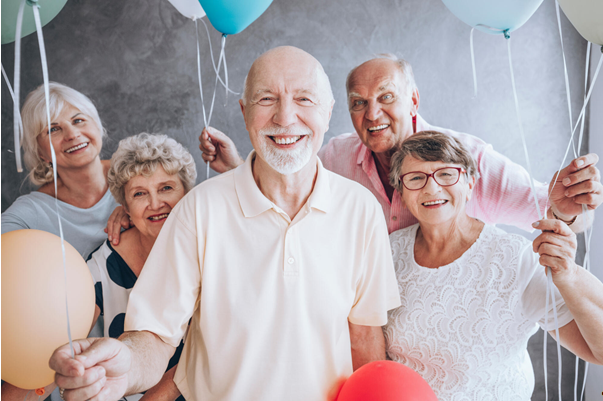
Aging is a part of life that everyone experiences, yet it often comes with various challenges that affect our relationships and sense of community. Have you ever noticed how, as people age, their social circles might tighten or shift?
Understanding the social dynamics of aging can help us create meaningful connections even in our later years, enhancing the quality of life for those navigating this transition. Keep on reading to learn more.
The Impact of Aging on Relationships
As we grow older, the relationships we have with family, friends, and even our community can change drastically. Many elderly individuals face situations such as the loss of a spouse, retirement, or relocation to a new living facility, all of which can lead to feelings of isolation.
Despite these challenges, it’s crucial to recognize that aging does not equate to social withdrawal. Many seniors actively seek out new friends and connections.
In fact, research shows that maintaining social ties is essential for mental and emotional health during aging. Older adults with strong social support systems tend to experience lower rates of depression, longer lifespans, and better overall well-being. This makes fostering community relationships not just beneficial, but vital.
Community Building as a Strategy
Investing time and energy into community building can significantly enhance the lives of aging individuals. Here are key strategies to consider:
- Engage in local activities or clubs to meet new people
- Volunteer in community events to share your skills
- Participate in online groups tailored for older adults
- Organize neighborhood gatherings or potluck dinners
Through these activities, seniors can forge new relationships and maintain existing ones, which are essential for emotional sustenance.
The Role of Technology
Today, technology helps people stay connected, even for older adults. Many seniors use social media, video calls, and online forums to keep in touch with family and friends. Technology can make it easier to join groups, share ideas, and feel part of a community, even while at home.
It’s important to provide tech training for older adults so they can use these tools well. Learning how to use apps and devices can also help with understanding how aging affects language skills, making communication easier. Local workshops or community centers can give seniors the support they need to feel confident and connected.
Creating Inclusive Spaces
When discussing the social dynamics of aging, it’s vital to acknowledge the importance of inclusive spaces. Community buildings, parks, and local events should be designed to be accessible to seniors and promote their participation. Encouraging intergenerational interactions can also help bridge gaps between ages, fostering understanding and companionship.
Fostering Connection
It’s encouraging to know that positive changes can lead to a flourishing community for older adults. Regular engagement in community activities not only combats loneliness but also helps create enduring friendships. As we develop stronger ties within our communities, we create a support system that underlies the essential need for connection.
Create Lasting Change
As people get older, relationships can change, but with help, these changes can be good. Strong communities help older adults meet others and feel happier. Learning about social life in aging can bring new friends, support, and a sense of belonging.
For more related topics, check out the rest of our blog!