

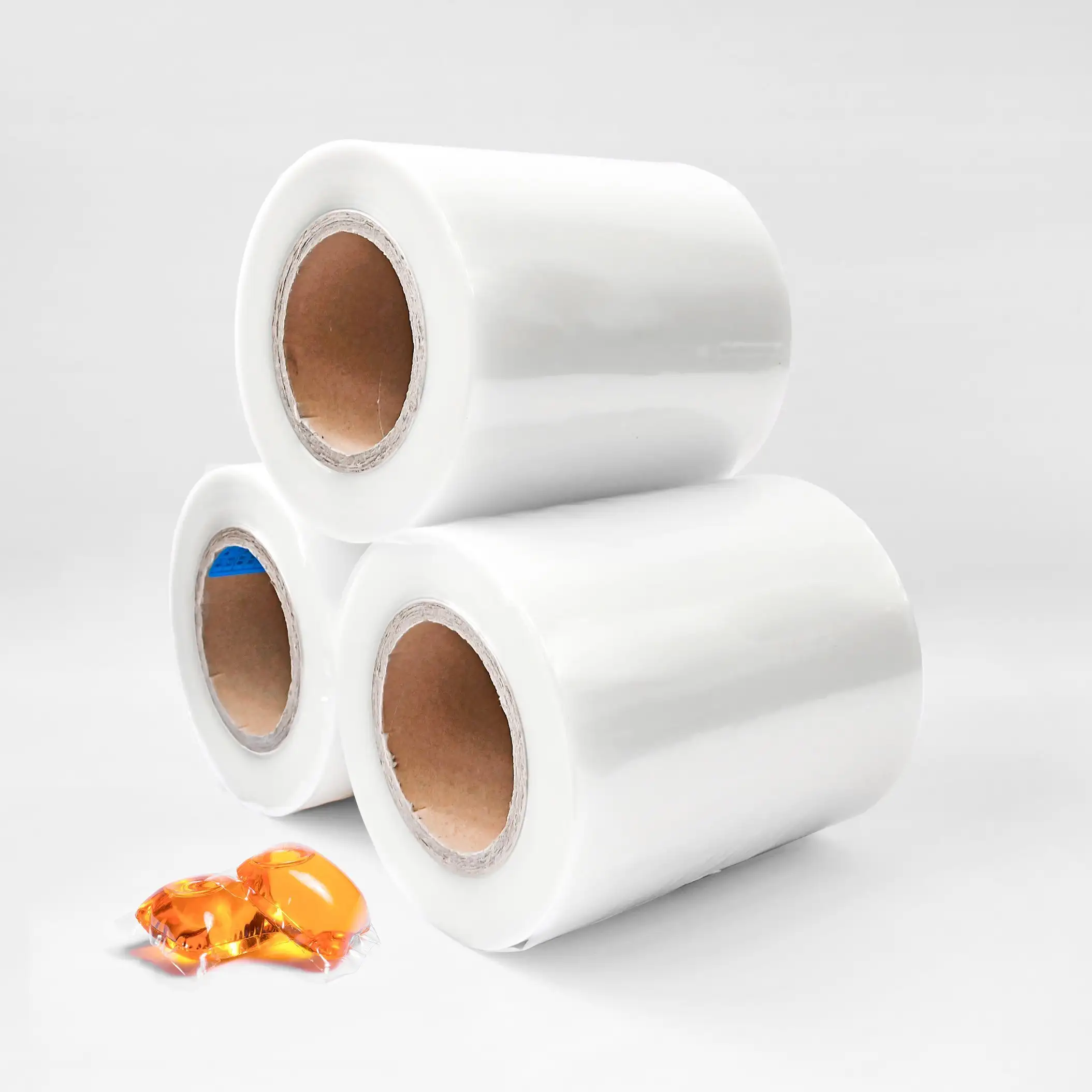
The global push toward sustainable and eco-friendly packaging solutions has cast a bright spotlight on advanced polymer technologies. Among these, water-soluble films have emerged as a revolutionary material capable of reducing environmental waste while maintaining high functional utility. These specialized films degrade completely upon contact with water, leaving behind no toxic residues or microplastics.
As industries seek reliable alternatives to traditional single-use plastics, the role of specialized packaging production has become increasingly vital. This shift is not merely a consumer preference but a regulatory necessity across many jurisdictions worldwide. Consequently, businesses are restructuring their supply chains to incorporate biodegradable materials that offer equivalent performance metrics to conventional polymers without the long-term ecological footprint.
Manufacturing and Material Composition
Modern manufacturing facilities utilize highly sophisticated chemical engineering processes to customize these films for diverse operating conditions. By strictly regulating thickness, formulation, and tensile strength, production lines ensure that the materials perform flawlessly across consumer and industrial touchpoints.
Leading water soluble film manufacturers focus heavily on polymer consistency to guarantee safe dissolution rates without compromising structural integrity during storage and transit. This careful calibration ensures that the film remains robust in humid environments but reacts instantly when submersed.
When evaluating top-tier providers, understanding the raw material composition is essential. Most water-soluble films are derived from Polyvinyl Alcohol (PVA or PVOH), a synthetic polymer that is fully biodegradable and non-toxic. Manufacturers blend PVA with specific plasticizers, surfactants, and organic compounds to alter its dissolution temperature.
For instance, some films are engineered to dissolve instantly in cold water, making them perfect for unit-dose detergent pods, while others require warm or hot water, making them ideal for specialized medical laundry bags or industrial agricultural chemical packaging. This chemical flexibility allows for tailored product development across countless commercial niches.
Regulatory Standards and Compliance
In addition to material formulation, international compliance and rigorous standards govern this sector. Premium manufacturers adhere to strict certifications such as ISO 9001 for quality management systems, along with ASTM D6400 or EN 13432 for compostability and biodegradability. These certifications verify that the film will break down entirely in municipal wastewater treatment facilities without harming aquatic ecosystems.
Testing protocols also include assessing tensile strength, tear resistance, and chemical compatibility to ensure the film does not prematurely rupture when exposed to volatile formulas. Furthermore, compliance with environmental safety standards ensures that the dissolution byproducts do not bioaccumulate in food chains.
Manufacturers must continuously test raw inputs for heavy metal contamination and trace impurities to satisfy stringent international eco-labels. The validation process involves rigorous lab replication of real-world disposal scenarios, verifying that microbial degradation occurs within the designated timeframes established by environmental protection agencies globally.
Industrial and Consumer Applications
The applications for these innovative films span numerous fast-growing sectors. In consumer goods, they have fully transformed the laundry and dishwashing markets through convenient, pre-measured single-dose pods. In agriculture, pre-packaged pesticide and fertilizer doses wrapped in water-soluble layers allow farmers to drop chemicals directly into mixing tanks without direct skin exposure.
This drastically reduces the health risks associated with chemical handling and eliminates the need for hazardous container disposal protocols. Furthermore, the medical sector relies on cold and hot water-soluble laundry bags to contain contaminated linens, preventing healthcare workers from touching infectious pathogens before the entire sealed bundle is placed directly into commercial washing machines.
Beyond these established fields, emerging applications include water-soluble shopping bags, temporary transfer printing processes, and specialized single-use containment systems for construction additives. As technology matures, the adaptability of water-soluble packaging will continue to expand into unexpected industrial frontiers.