

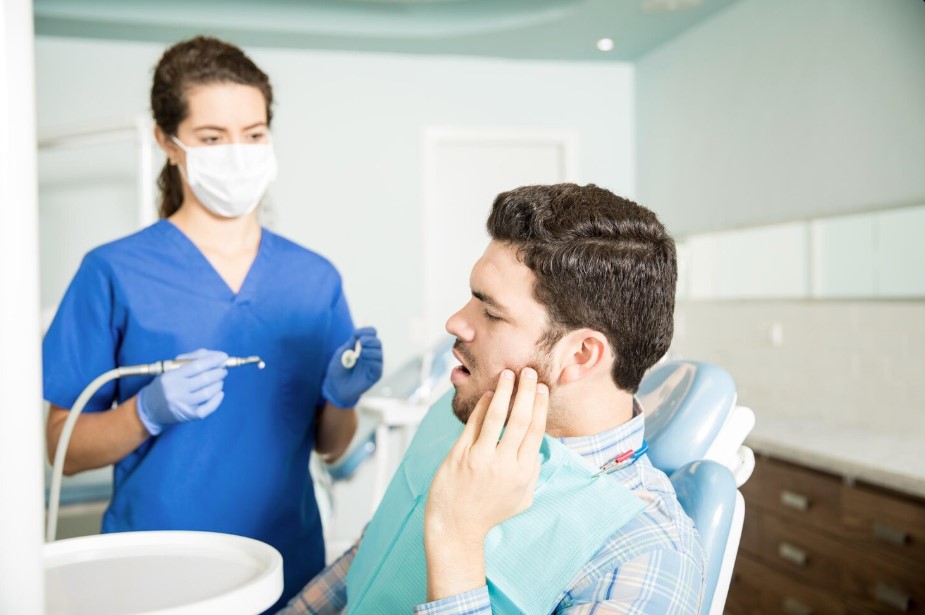
Tooth enamel is the hard outer layer that protects your teeth from everyday wear, temperature changes, bacteria, and acids. Although enamel is the strongest substance in the human body, it cannot repair itself once it is permanently lost.
That makes preventing enamel loss an important part of maintaining long-term oral health.
Enamel erosion can happen gradually, and many people may not notice it until they develop symptoms such as tooth sensitivity, discoloration, rough edges, or changes in the shape of their teeth. Understanding what causes enamel loss and recognizing the early warning signs can help you take action before the problem becomes more severe.
What Is Tooth Enamel?
Tooth enamel is the thin, hard outer covering of each tooth. It protects the softer layers underneath, including dentin and the dental pulp.
Unlike other parts of the body, tooth enamel does not contain living cells. Once enamel is permanently worn away or eroded, the body cannot naturally grow it back.
However, saliva and fluoride can support the process of remineralization, which helps strengthen weakened enamel before significant damage occurs.
This is why daily oral hygiene and preventive dental care are important even when your teeth appear healthy.
What Causes Tooth Enamel Loss?
Enamel loss can have several causes. Some are related to diet and lifestyle, while others involve oral health conditions, medical issues, or mechanical wear.
- Acidic Foods and Drinks
Frequent exposure to acids is one of the most common contributors to enamel erosion.
Acidic foods and beverages can temporarily soften enamel. Examples include:
- Soft drinks
- Sports and energy drinks
- Citrus fruits and juices
- Flavoured sparkling drinks
- Vinegar-based foods
- Certain acidic sauces
- Wine
The risk can increase when acidic products are consumed frequently throughout the day because the teeth have less opportunity to recover between exposures.
You do not necessarily need to eliminate every acidic food from your diet. Instead, focus on reducing frequent exposure and using habits that help protect your teeth.
- Frequent Snacking and Sipping
It is not only what you consume that matters. How often you consume it can also affect your teeth.
Repeatedly sipping an acidic beverage over several hours exposes your enamel to acid for an extended period.
Similarly, frequent snacking can create repeated changes in the oral environment.
Whenever possible, avoid constantly sipping acidic drinks throughout the day and give your mouth time between meals and snacks.
- Acid Reflux
Stomach acid can also contribute to enamel erosion.
People who experience acid reflux or conditions that cause stomach acid to reach the mouth may experience repeated exposure of their teeth to acid.
If you regularly experience reflux symptoms along with tooth sensitivity or enamel changes, speak with a healthcare professional and your dental provider. Treating the underlying issue can be an important part of protecting your teeth.
- Vomiting and Other Medical Conditions
Repeated vomiting can expose teeth to stomach acid.
This can occur with certain illnesses and medical conditions. People experiencing frequent vomiting should discuss the issue with a healthcare professional and dentist.
Do not immediately brush your teeth after vomiting, as the enamel may temporarily be softened by stomach acid. Rinsing the mouth with water can help remove some of the acid before brushing later.
- Aggressive Tooth Brushing
Brushing your teeth is essential for preventing cavities and gum disease, but brushing too aggressively can contribute to physical wear.
Using excessive pressure, a hard-bristled toothbrush, or an overly abrasive toothpaste may increase wear on already weakened enamel.
A soft-bristled toothbrush and gentle brushing technique are generally preferable for everyday cleaning.
- Teeth Grinding and Clenching
Grinding or clenching your teeth, also known as bruxism, can place significant mechanical stress on teeth.
Over time, repeated grinding can contribute to worn tooth surfaces, chips, cracks, and changes in tooth shape.
Some people grind their teeth primarily while sleeping and may not realize they are doing it. Signs can include morning jaw soreness, headaches, worn teeth, or increased tooth sensitivity.
A dental professional can assess signs of excessive tooth wear and discuss appropriate treatment options.
- Dry Mouth
Saliva plays an important role in protecting teeth.
It helps neutralize acids and contributes minerals that support the natural remineralization process. When saliva production is reduced, the mouth may have less protection against acids and bacteria.
Dry mouth can be associated with medications, certain medical conditions, dehydration, or other factors.
If you regularly experience dry mouth, it is worth discussing the symptoms with a healthcare or dental professional.
- Poor Oral Hygiene
Poor oral hygiene can contribute indirectly to enamel damage.
Plaque contains bacteria that can produce acids when they interact with sugars and carbohydrates. Repeated acid exposure can increase the risk of enamel demineralization and tooth decay.
Brushing twice a day with fluoride toothpaste, cleaning between your teeth, and maintaining regular dental visits can help reduce these risks.
What Are the Signs of Enamel Loss?
Enamel erosion can develop gradually. Common warning signs include:
- Increased tooth sensitivity
- Yellowing or darker-looking teeth
- Rough or uneven tooth surfaces
- Small cracks or chips
- Teeth appearing shorter or thinner
- Increased sensitivity to hot or cold foods
- Greater sensitivity to sweet or acidic foods
- Changes in the shape or appearance of teeth
Yellowing can occur because enamel becomes thinner and the naturally darker dentin underneath becomes more visible.
If you notice changes in your teeth, a dental examination can help determine whether enamel erosion, tooth decay, grinding, or another issue is responsible.
Is Tooth Enamel Loss Reversible?
Permanent enamel loss cannot be naturally reversed because enamel does not regenerate.
However, early enamel weakening may sometimes be addressed through remineralization and preventive care.
Fluoride is particularly important because it can help strengthen tooth enamel and make it more resistant to acid attacks.
The key distinction is between strengthening weakened enamel and regrowing enamel that has already been permanently lost. Toothpaste, supplements, or home remedies cannot regenerate missing enamel.
If significant erosion has already occurred, a dentist may discuss restorative options depending on the condition of the teeth.
For a deeper look at how acid-related damage can affect teeth, you can also read this guide on the dangers of tooth erosion.
How Can You Prevent Tooth Enamel Loss?
The good news is that many causes of enamel erosion can be managed through simple daily habits.
Drink More Water
Water helps rinse the mouth and can reduce the amount of time acids remain in contact with your teeth.
Drinking water after meals or acidic beverages can be particularly helpful.
Limit Frequent Acidic Drinks
Instead of sipping acidic beverages throughout the day, consider consuming them with a meal and limiting how often you drink them.
Using a straw may also reduce direct contact between certain beverages and the front teeth.
Wait Before Brushing After Acid Exposure
Brushing immediately after consuming acidic foods or drinks may be counterproductive because acid can temporarily soften the enamel surface.
Instead, rinse your mouth with water and wait before brushing.
Your dental professional can provide personalized guidance based on your oral health.
Use Fluoride Toothpaste
Fluoride helps strengthen enamel and supports remineralization.
Use fluoride toothpaste as recommended and avoid rinsing excessively after brushing so that fluoride can remain in contact with the teeth.
Brush Gently
Use a soft-bristled toothbrush and gentle pressure.
You do not need to scrub aggressively to remove plaque. Effective brushing is more about technique and consistency than force.
Clean Between Your Teeth
Flossing or using another appropriate interdental cleaning method helps remove plaque and food particles from areas a toothbrush cannot easily reach.
Healthy oral hygiene involves cleaning both the visible surfaces of your teeth and the spaces between them.
Address Teeth Grinding
If you grind or clench your teeth, speak with your dentist.
Depending on the cause and severity, your dentist may recommend strategies such as a custom mouthguard or other approaches to protect your teeth.
Stay Hydrated
Adequate hydration can support normal saliva production.
If you frequently experience dry mouth despite drinking enough fluids, discuss the symptoms with a healthcare or dental professional.
Maintain Regular Dental Visits
Regular dental examinations allow a dentist to monitor enamel wear, cavities, gum health, and other changes that may not be obvious at home.
Early detection can make it easier to manage potential problems before they become more extensive.
Foods That Can Support Healthy Teeth
A balanced diet can contribute to good oral health.
Foods such as vegetables, dairy products, lean proteins, and other nutrient-rich options can provide nutrients important for maintaining healthy teeth and bones.
Water is also an excellent everyday beverage because it does not expose teeth to the sugars and acids found in many soft drinks and juices.
Rather than focusing on a single “enamel-strengthening” food, think about your overall dietary pattern and how frequently your teeth are exposed to sugar and acid.
Can Whitening Products Damage Enamel?
Many people worry about enamel when considering teeth whitening.
Professional and over-the-counter whitening products can be safe when used appropriately, but some people may experience temporary tooth sensitivity during or after whitening.
Using whitening products more frequently than recommended or using inappropriate products can increase the risk of problems.
If you are considering whitening treatment, discuss the options with a dental professional first, particularly if you already have enamel erosion, cavities, gum problems, or sensitive teeth.
Enamel Loss vs. Tooth Decay: What’s the Difference?
Enamel erosion and tooth decay are related to acid exposure but are not exactly the same condition.
Enamel erosion occurs when acids wear away the mineral structure of the tooth.
Tooth decay involves a bacterial process in which acids produced by bacteria contribute to the breakdown of tooth structure.
Both conditions can damage teeth, and they can occur at the same time.
A dental professional can determine what is causing changes in your teeth and recommend appropriate treatment.
When Should You See a Dentist?
You should consider scheduling a dental appointment if you experience:
- Persistent tooth sensitivity
- Visible changes in tooth shape
- Chipped or cracked teeth
- Increasing yellow or translucent areas
- Pain when eating or drinking
- Frequent acid reflux
- Signs of teeth grinding
- Persistent dry mouth
Don’t wait until significant pain develops. Enamel erosion can progress without causing severe symptoms in its early stages.
Frequently Asked Questions
What is the main cause of tooth enamel loss?
Frequent exposure to acids is a major cause of enamel erosion. Acidic foods and drinks, stomach acid from reflux or vomiting, and certain oral health conditions can all contribute to enamel loss.
Can tooth enamel grow back?
No. Once enamel has been permanently lost, the body cannot regenerate it. However, early enamel weakening may be strengthened through remineralization and preventive measures such as fluoride use and good oral hygiene.
Does brushing too hard damage enamel?
Aggressive brushing can contribute to physical wear, particularly when combined with a hard-bristled toothbrush or abrasive toothpaste. Gentle brushing with a soft-bristled toothbrush is generally recommended.
Does drinking soda cause enamel loss?
Regular exposure to acidic soft drinks can contribute to enamel erosion. The risk may increase when soda is consumed frequently or sipped over long periods.
How can I strengthen my tooth enamel?
Using fluoride toothpaste, maintaining good oral hygiene, drinking water, limiting frequent exposure to acidic foods and drinks, and maintaining regular dental visits can help protect and strengthen enamel.
Is tooth sensitivity a sign of enamel loss?
Tooth sensitivity can be a sign of enamel erosion because thinning enamel can expose the underlying dentin. However, sensitivity can have several other causes, so persistent symptoms should be evaluated by a dental professional.
Final Thoughts
Tooth enamel plays an essential role in protecting your teeth, but it can gradually wear away when exposed to acids, excessive mechanical pressure, or other risk factors.
The most effective approach is prevention. Limit frequent exposure to acidic foods and drinks, use fluoride toothpaste, brush gently, maintain good oral hygiene, stay hydrated, and address issues such as acid reflux, dry mouth, or teeth grinding when necessary.
Most importantly, remember that permanent enamel loss cannot be reversed naturally. Recognizing early warning signs and maintaining regular dental care can help protect your teeth and preserve your smile for years to come.
For personalized advice about enamel health, preventive dentistry, or other oral health concerns, Orion Dental can help you understand your treatment and preventive care options.