

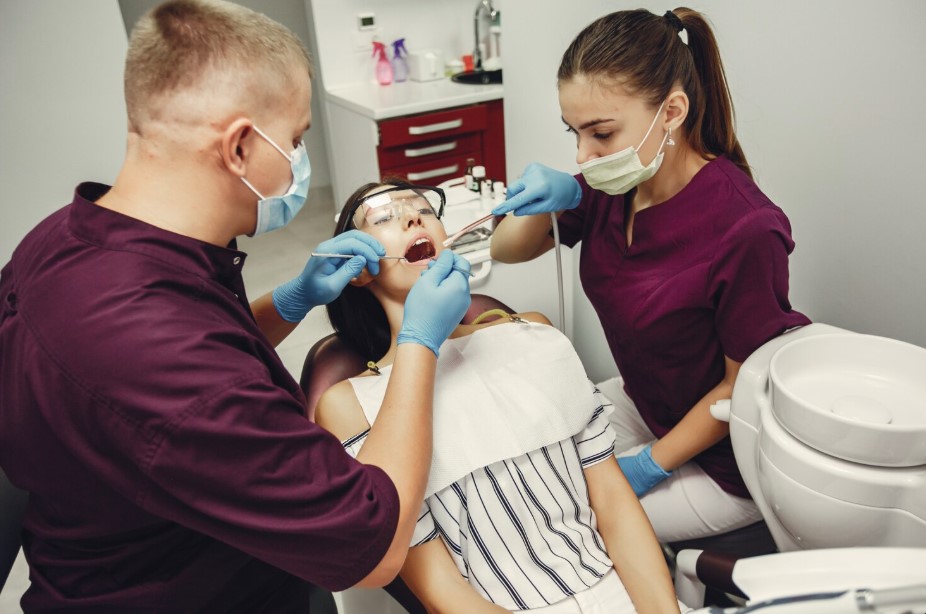
A dental emergency can happen unexpectedly. A tooth may break while eating, severe tooth pain may develop overnight, or an injury may cause a tooth to become loose or displaced.
Knowing what to do immediately can help protect your teeth, reduce discomfort, and prevent a manageable dental problem from becoming more serious.
But not every dental problem requires emergency treatment. Understanding which situations need urgent attention, what to do before seeing a dentist, and when to seek immediate medical care can help you respond appropriately.
What Is Considered a Dental Emergency?
A dental emergency generally involves an injury, infection, severe pain, or other dental problem that requires prompt professional evaluation.
Common dental emergencies include:
- Severe or persistent toothache
- A knocked-out permanent tooth
- A broken or severely cracked tooth
- A tooth that has been partially displaced
- Significant swelling around the face, jaw, or gums
- Uncontrolled bleeding following a dental injury or procedure
- A dental abscess
- Severe pain accompanied by swelling or fever
- An injury to the mouth or teeth
The appropriate response depends on the situation.
Some dental problems require immediate treatment, while others can be managed temporarily until a dental appointment is available.
What Should You Do During a Severe Toothache?
A toothache can have several causes, including tooth decay, infection, cracked teeth, damaged fillings, or problems affecting the gums.
If you develop severe or persistent tooth pain:
- Rinse your mouth gently with warm water.
- Carefully clean between the teeth to remove any trapped food.
- Avoid extremely hot, cold, sweet, or hard foods if they make the pain worse.
- Follow appropriate over-the-counter pain-relief directions if you can safely take those medications.
- Contact a dental professional for an evaluation.
Do not place aspirin or other medication directly against the gums or tooth. This can irritate or damage the soft tissues.
If severe pain is accompanied by facial swelling, fever, difficulty swallowing, or difficulty breathing, seek urgent professional or medical care.
What Should You Do If a Tooth Is Knocked Out?
A knocked-out permanent tooth is one of the situations where acting quickly can be particularly important.
If a permanent tooth is completely knocked out:
- Pick up the tooth by the crown, not the root.
- If the tooth is dirty, gently rinse it with clean water without scrubbing it.
- Try to place the tooth back into its socket if this can be done safely and comfortably.
- If reinsertion is not possible, keep the tooth moist.
- Place it in an appropriate tooth-preservation solution or, if unavailable, another suitable liquid recommended for preserving a knocked-out tooth.
- Seek emergency dental careas soon as possible.
Do not scrub the root, remove attached tissue, or allow the tooth to dry out.
A baby tooth that has been knocked out should generally not be placed back into the socket because doing so may affect the developing permanent tooth.
What Should You Do About a Broken or Cracked Tooth?
A broken or cracked tooth can range from a minor chip to a significant fracture involving the inner structures of the tooth.
If a tooth breaks:
- Rinse your mouth gently with water.
- If there is swelling, apply a cold compress to the outside of the face.
- Save any broken tooth fragments if possible.
- Avoid chewing on the affected side.
- Contact a dental professional for an evaluation.
Do not assume that a painless crack is harmless. Some fractures may worsen over time or allow bacteria to reach deeper parts of the tooth.
The dentist will determine whether the tooth can be repaired and which treatment is appropriate.
What If a Tooth Becomes Loose?
A permanent adult tooth becoming loose without an obvious reason should be evaluated by a dental professional.
Loose teeth can be associated with trauma, gum disease, infection, or other dental problems.
If the tooth has become loose after an injury:
- Avoid touching or moving it unnecessarily.
- Do not chew on the affected area.
- Keep the mouth clean with gentle rinsing.
- Contact a dentist promptly.
Early evaluation may improve the chances of protecting the affected tooth, depending on the cause and severity of the injury.
What Should You Do If Your Mouth Is Bleeding?
Minor bleeding can occur after certain dental injuries or procedures.
For bleeding following an injury, gently rinse the mouth and apply clean gauze with steady pressure to the affected area.
If bleeding is heavy, persistent, or difficult to control, seek urgent professional care.
Bleeding accompanied by a serious facial injury may require medical evaluation rather than dental treatment alone.
How Do You Know If a Dental Abscess Is an Emergency?
A dental abscess is a collection of pus associated with a bacterial infection. It may cause:
- Severe tooth pain
- Swelling in the gums
- Facial swelling
- Sensitivity to temperature
- Pain when biting
- A bad taste or drainage
- Fever
A dental abscess should not be ignored. Dental infections can spread beyond the original area if left untreated.
Contact a dental professional promptly if you suspect an abscess.
If swelling makes it difficult to breathe or swallow, or if significant facial swelling develops, seek emergency medical care.
What Should You Do If a Dental Filling or Crown Falls Out?
A lost filling or crown is not always a life-threatening emergency, but it should still be evaluated by a dentist.
If a filling falls out:
- Keep the area clean.
- Avoid chewing on that side.
- Avoid very hot or cold foods if the tooth is sensitive.
- Contact your dentist for an appointment.
If a crown comes off, keep it in a clean container and bring it to your dental appointment. Do not use household glue to reattach it.
A dentist can determine whether the restoration can be repaired or needs to be replaced.
What About Injuries to the Lips, Gums, or Cheeks?
Not every mouth injury involves the teeth.
Cuts or injuries to the lips, cheeks, and gums can sometimes cause significant bleeding or swelling.
For a minor soft-tissue injury, gently rinse the area with clean water and apply a cold compress to reduce swelling.
However, a deep cut, uncontrolled bleeding, significant swelling, or a serious facial injury may require urgent medical attention.
When Should You Go to the Emergency Room?
Some dental emergencies require medical care rather than simply a dental appointment.
Seek emergency medical attention if you experience:
- Difficulty breathing
- Difficulty swallowing
- Severe facial or neck swelling
- Uncontrolled bleeding
- Major facial trauma
- Loss of consciousness
- Signs of a serious infection affecting your general health
A dentist can manage many dental emergencies, but symptoms affecting breathing, swallowing, consciousness, or overall health may indicate a broader medical emergency.
What Should You Keep in a Dental Emergency Kit?
Having a few basic supplies available can make it easier to manage a dental problem while arranging professional care.
A simple dental emergency kit may include:
- Clean gauze
- A small container for a broken tooth or restoration
- Saline or clean water
- A cold pack
- Dental floss
- Contact information for your dental practice
You should also know how to reach your dentist outside normal office hours if urgent care is available.
How Can You Prevent Dental Emergencies?
Not every dental emergency can be prevented, but several habits can reduce the risk.
Wear a Mouthguard During Sports
A properly fitted mouthguard can help protect teeth from injuries during contact and high-impact sports.
Avoid Chewing Hard Objects
Ice, hard candy, pens, and other hard objects can increase the risk of cracked or broken teeth.
Maintain Good Oral Hygiene
Brushing twice a day, cleaning between the teeth, and maintaining regular dental visits can help reduce the risk of tooth decay and gum disease.
Treat Dental Problems Early
A small cavity, cracked tooth, or damaged restoration may become more complicated if ignored.
Regular examinations allow dental professionals to identify potential problems before they develop into urgent situations.
Should You Have an Emergency Dentist?
Knowing where to go before a dental emergency occurs can save valuable time.
Ask your regular dental practice:
- Do you provide emergency appointments?
- How should I contact the office after hours?
- Which types of dental emergencies do you handle?
- What should I do if I have a knocked-out tooth?
- Where should I go if I have severe facial swelling or trauma?
Having this information available can make an unexpected situation less stressful.
For patients looking for a dental practice that provides comprehensive care, Aurora Family Dentistry offers dental services that include emergency dental care and other treatments for common oral-health concerns.
Final Takeaway
A dental emergency can be stressful, but knowing the appropriate first steps can help you respond calmly.
Severe tooth pain, knocked-out permanent teeth, broken teeth, dental infections, significant swelling, and uncontrolled bleeding should be evaluated promptly. Some situations, particularly those involving difficulty breathing, difficulty swallowing, severe facial swelling, or major trauma, require emergency medical attention.
The best approach is to avoid delaying care when symptoms are severe or getting worse.
Keeping your dentist’s contact information available, maintaining regular dental visits, and addressing dental problems early can also reduce the likelihood of preventable emergencies.