

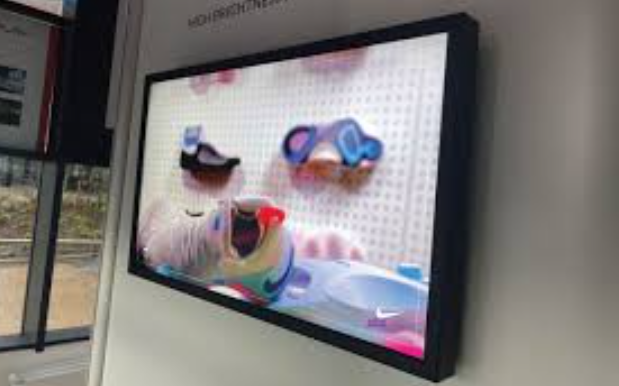
In today’s digital world, visibility is everything. Whether it’s a digital billboard, outdoor kiosk, industrial monitor, or in-vehicle screen, one key factor determines usability in bright environments — high brightness display technology.
What is a High Brightness Display?
A high brightness display refers to a screen that offers much higher luminance (brightness) than standard displays. While typical consumer screens have brightness levels around 250 to 350 nits, high brightness displays often start at 700 nits and can exceed 2,000 nits or more. This elevated brightness ensures that content remains clear and readable even under direct sunlight or in high ambient light conditions.
Key Applications
- Outdoor Digital Signage: To ensure advertisements or public information displays are clearly visible during the day, high brightness displays are essential.
- Transportation Systems: From in-vehicle displays to airport kiosks, these screens ensure that travelers can read information easily in all lighting conditions.
- Retail & Hospitality: Interactive screens, POS systems, and digital menus benefit from enhanced visibility.
- Industrial & Military Use: Harsh environments often come with bright lighting — high brightness displays ensure critical data remains legible.
Benefits of High Brightness Displays
- Improved Visibility: Enhanced luminance makes screens readable even in direct sunlight.
- Energy Efficiency: Many high brightness screens are now equipped with ambient light sensors that adjust brightness dynamically, reducing power consumption.
- Durability: Often designed for rugged or outdoor environments, these displays are built to withstand heat, moisture, and physical impact.
- Better User Experience: Clear visibility leads to better engagement, reduced eye strain, and improved accessibility.
Technologies Behind High Brightness Displays
Several innovations contribute to high brightness:
- LED Backlighting: Modern high brightness displays use powerful LED backlights to achieve superior luminance.
- Optical Bonding: This process eliminates air gaps between layers, reducing glare and improving clarity.
- Anti-Reflective Coatings: Helps reduce reflections and enhance contrast in bright environments.
Choosing the Right High Brightness Display
When selecting a high brightness display, consider the following factors:
- Brightness Rating (nits)
- Resolution and Screen Size
- Power Efficiency
- Durability (IP rating, operating temperature range)
- Touchscreen Capability (if needed)
Conclusion
Whether you’re deploying a digital signage network or building rugged outdoor devices, a high brightness display is a smart investment. It ensures that your content stands out and performs reliably in any lighting condition. As display technologies continue to evolve, high brightness screens are becoming more efficient, durable, and versatile — making them a go-to solution for a broad range of industries.