

Introduction
In today’s digital age, having an online presence is crucial for individuals and businesses alike. But before you can showcase your content, products, or services on the internet, you need to understand the foundational element that makes it all possible: web hosting.
This comprehensive guide will walk you through what web hosting is, how it functions, and the various types available, with a particular focus on Canadian hosting solutions.
What Is Web Hosting?
Web hosting is a service that allows individuals and organizations to make their websites accessible via the World Wide Web. When you create a website, all its files—such as HTML documents, images, videos, and scripts—need to be stored on a server. A web hosting provider rents out space on these servers, ensuring your website is available to visitors around the clock.
Think of web hosting as renting a plot of land (the server) where you can build your house (the website). Without this space, your website wouldn’t exist online.

How Does Web Hosting Work?
When someone types your website’s domain name into their browser, the following process occurs:
- Domain Name System (DNS) Lookup: The browser translates the domain name into an IP address using DNS.
- Server Request: The browser sends a request to the server where your website is hosted.
- Data Transfer: The server processes the request and sends the necessary files back to the browser.
- Website Display: The browser renders the website, allowing the user to view and interact with it.
This process happens in a fraction of a second, providing users with seamless access to your site.
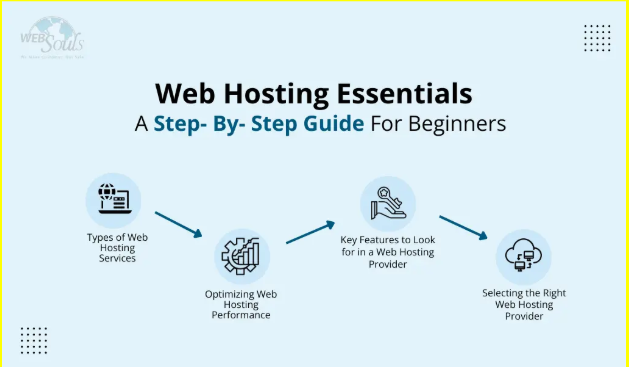
Types of Web Hosting
Understanding the different types of web hosting can help you choose the best option for your needs:
1. Shared Hosting
In shared hosting, multiple websites share the same server resources, such as CPU, memory, and bandwidth. This is the most cost-effective option, making it ideal for personal blogs or small business websites with moderate traffic.
Pros:
- Affordable pricing
- Easy to set up
- Managed services provided
Cons:
- Limited resources
- Potential for slower performance during peak times
- Less control over server settings
2. Virtual Private Server (VPS) Hosting
VPS hosting offers a middle ground between shared and dedicated hosting. While multiple websites still share the same physical server, each website operates in its own virtual environment with dedicated resources.
Pros:
- More control and customization
- Better performance than shared hosting
- Scalable as your website grows
Cons:
- Higher cost than shared hosting
- Requires some technical knowledge
3. Dedicated Hosting
With dedicated hosting, you lease an entire server for your website. This provides maximum control, performance, and security.
Pros:
- Full control over server settings
- High performance and reliability
- Ideal for high-traffic websites
Cons:
- Expensive
- Requires advanced technical expertise
4. Cloud Hosting
Cloud hosting utilizes a network of interconnected servers to host your website. This setup allows for scalability and reliability, as resources can be adjusted based on demand.
Pros:
- Scalable resources
- High uptime and reliability
- Pay-as-you-go pricing model
Cons:
- Can be more expensive than shared hosting
- Pricing can be unpredictable
Key Features to Consider in Web Hosting
When evaluating web hosting providers, consider the following features:
- Uptime Guarantee: Ensure the provider offers a high uptime guarantee (99.9% or higher) to keep your website accessible.
- Security Measures: Look for features like SSL certificates, firewalls, and regular backups to protect your website.
- Customer Support: Choose a provider that offers 24/7 customer support through various channels.
- Control Panel: A user-friendly control panel, such as cPanel, can simplify website management tasks.
- Email Hosting: Some providers offer email hosting services, allowing you to create professional email addresses using your domain name.
Why Choose Canadian Web Hosting?
Opting for a Canadian web hosting provider offers several advantages:
- Data Sovereignty: Your data is stored within Canada, ensuring compliance with Canadian privacy laws.
- Faster Load Times: Hosting locally can result in faster website load times for Canadian visitors.
- Local Support: Access to customer support that understands Canadian business needs and time zones.
How to Choose the Right Web Hosting Provider
Selecting the right web hosting provider involves assessing your specific needs:
- Website Type: Determine whether you’re hosting a personal blog, business site, or e-commerce platform.
- Traffic Expectations: Estimate the amount of traffic your website will receive to choose an appropriate hosting plan.
- Technical Expertise: Consider your comfort level with managing server settings and configurations.
- Budget: Set a budget that aligns with the features and performance you require.
Conclusion
Understanding web hosting is the first step toward establishing a successful online presence. By choosing the right hosting type and provider, you can ensure your website is secure, fast, and reliable.
If you’re looking for a Canadian-based web hosting provider that offers affordable plans tailored to your needs, consider exploring the options available at SupremeHost.ca.