

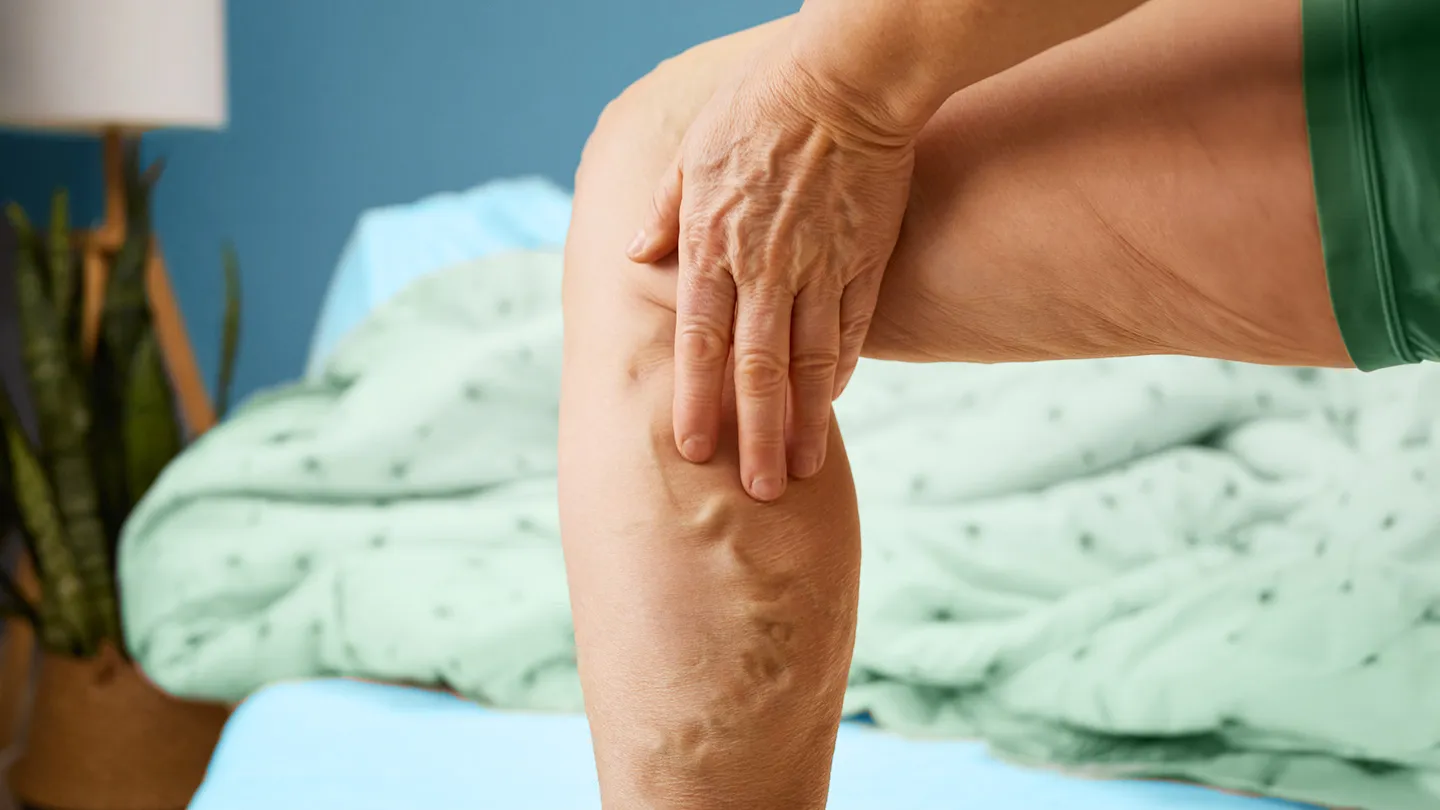
Millions of people throughout the world suffer from the widespread ailment known as varicose veins. They appear as enlarged, twisted, or bulging veins, most often visible on the legs and feet. Although they are mostly a cosmetic concern for many, they can occasionally result in pain, swelling, or be a sign of more significant circulation issues. Knowing when to see a doctor is important because early treatment can prevent complications and improve your quality of life.
Understanding Varicose Veins
When your veins’ valves weaken or malfunction, varicose veins might result. These valves are designed to keep blood flowing toward the heart, but when they malfunction, blood can pool in the veins. This pooling increases pressure and causes the veins to enlarge and twist. They can happen anywhere, but because of the pressure that standing and walking put on the legs, they are most frequent there.
Genetics, age, obesity, pregnancy, and extended standing or sitting can all increase a person’s risk of developing varicose veins. Even while minor cases might not require medical care, there are several indicators that a doctor’s consultation is necessary.
Persistent Pain Or Swelling
Occasional leg discomfort after a long day of standing is normal, but persistent pain or swelling is not. Even after resting, if your legs still feel heavy, achy, or aching, it may indicate that blood circulation is being impacted by varicose veins. Ankle, foot, or lower leg swelling could be a sign that blood is not getting back to the heart effectively. A medical professional can determine whether varicose veins or another underlying illness, like lymphedema or deep vein thrombosis, is to blame for the swelling.
Skin Changes Around The Veins
Varicose veins can cause noticeable changes in the skin. If the skin around the affected veins becomes discoloured, thin, dry, or itchy, it could be a sign of poor circulation. Over time, the skin may turn brownish or develop a leathery texture, especially around the ankles. These symptoms suggest chronic venous insufficiency, a condition that requires medical evaluation. It can result in painful ulcers or open wounds that are challenging to heal if treatment is not received.
Bleeding From Varicose Veins
Varicose veins close to the surface of the skin can sometimes rupture, leading to sudden bleeding. Significant blood loss can result from even a small bump or scratch. It’s critical to lie down, raise your leg, and apply pressure to the bleeding region if this occurs. After the bleeding stops, you should see a doctor as soon as possible. Recurrent bleeding indicates that the veins are fragile and need treatment to prevent further episodes. In some cases, doctors may refer patients with chronic abdominal discomfort or digestive issues alongside varicose veins to a Gastroenterology specialist to rule out underlying conditions that could affect overall vascular and digestive health.
Leg Ulcers Or Sores
One of the more serious complications of untreated varicose veins is the formation of ulcers, usually around the ankles. These ulcers develop when long-term pressure and fluid buildup damage the surrounding tissue. They may start as small, painful areas that gradually grow into open wounds. If you notice a sore that does not heal or becomes infected, seek medical attention immediately. Without the right care, venous ulcers can take a long time to heal and need to be treated by a professional.
Sudden Pain, Redness, Or Warmth
If a varicose vein suddenly becomes hard, painful, red, or warm to the touch, it may be a sign of a blood clot within the vein, known as superficial thrombophlebitis. Although this condition usually affects veins close to the skin and is less dangerous than deep vein thrombosis, it still requires prompt medical evaluation. Blood clots can occasionally spread to deeper veins and present a major health danger.
Restless Or Heavy Legs At Night
Many people with varicose veins experience leg discomfort or restlessness, particularly at night. This feeling of heaviness or the need to move your legs constantly can interfere with sleep and daily comfort. If leg fatigue or restlessness becomes persistent, a doctor can recommend treatments such as compression stockings or minimally invasive procedures to relieve symptoms and improve blood flow.
Visible Vein Changes And Growth
Varicose veins often start small but can worsen over time. If you notice that your veins are becoming larger, more painful, or spreading to new areas, it may be time for a medical evaluation. A doctor can use ultrasound imaging to assess the severity and recommend suitable treatments, including laser therapy, sclerotherapy, or vein surgery. If your symptoms persist or worsen, consulting a specialist in proctology or vascular medicine can help rule out related circulatory or pelvic conditions that may contribute to varicose vein discomfort.
Why Seeing A Doctor Matters?
Ignoring varicose veins can result in blood clots, infections, and skin damage. Seeing a doctor early allows for an accurate diagnosis and effective management. Modern treatments are less invasive, with shorter recovery times and excellent results.
Conclusion
Not all cases of varicose veins are purely aesthetic. Persistent pain, swelling, skin changes, bleeding, or sores are all warning signs that you should not ignore. Consulting a healthcare professional can help prevent serious complications and restore comfort and confidence. Taking action early is the best step toward maintaining healthy legs and better circulation.