

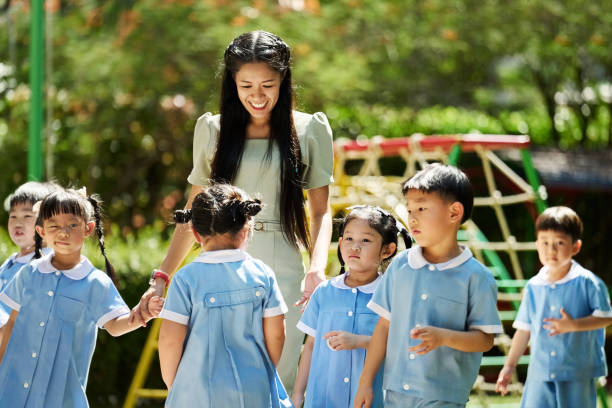
In the early chapters of life, a child’s environment plays a pivotal role in shaping their perception of the world. Within those formative years, the right space—filled with warmth, stimulation, and thoughtful guidance—can ignite a passion for learning that lasts a lifetime. Across the city-state known for its excellence in education, certain institutions stand out not merely for academic preparation, but for fostering emotional resilience, social confidence, and an unquenchable thirst for knowledge.
Within this vibrant, multicultural society lies a treasure trove of learning environments where laughter is common, questions are encouraged, and imagination is celebrated. Here, foundational years are viewed not as a race to academic milestones but as a time to discover, play, and grow through meaningful interaction. Small Wonder kindergarten Singapore embraces this philosophy, providing a nurturing environment where children develop not just academically, but socially and emotionally as well. It’s not just about reading and counting—it’s about developing empathy, exploring creativity, and learning how to collaborate and communicate effectively with others.
One of the most compelling aspects of early education in this setting is the thoughtful blend of structure and spontaneity. Mornings may begin with gentle routines that instil a sense of stability and comfort, yet within the rhythm of the day lies ample room for discovery and play. Nature walks, storytelling circles, music exploration, and tactile play all become instruments for understanding a world brimming with colour and possibility.
Parents seeking the ideal launchpad for their children’s educational journey are often drawn to environments that feel less like traditional classrooms and more like vibrant communities. In these places, learning isn’t confined to textbooks or tests. It’s found in a child’s wonder at watching a butterfly emerge from its chrysalis, in the teamwork required to build a cardboard castle, or in the joy of singing a song in a new language. These moments, while seemingly simple, lay the groundwork for cognitive and emotional development in ways that are both profound and lasting.
The educators who guide these experiences are more than instructors—they’re facilitators of growth. With professional training and an intuitive understanding of childhood development, they foster secure attachments and inspire confidence. Rather than directing every movement, they observe, adapt, and step in at just the right moment to pose a question or provide a tool that takes a child’s curiosity one step further. Their ability to read a room of lively, energetic children and create a calm, enriching experience from potential chaos is nothing short of masterful.
Moreover, the balance between academic exposure and play-based learning is carefully calibrated. Children are introduced to literacy, numeracy, and science through activities that feel more like games than lessons. This approach ensures that they build essential skills without the stress or pressure that can sometimes accompany more rigid systems. Importantly, this fosters a positive attitude towards education that extends well into later years.
The emphasis on multilingual exposure is another distinguishing trait. In a society where multiple languages intersect daily, many programmes introduce second and even third languages through songs, stories, and conversations. Young learners, still highly attuned to the nuances of sound and speech, often absorb new tongues with remarkable ease. This early familiarity not only enhances communication skills but also nurtures cultural awareness and sensitivity.
Beyond the classroom walls, the community plays a vital role. Parents are often welcomed into the learning journey through workshops, regular updates, and collaborative activities. This open-door policy creates a partnership where the child’s well-being is prioritised holistically, and transitions between home and school life become seamless. Such inclusivity reassures families that their little ones are not only safe but also thriving in a caring, attentive environment.
Of course, physical spaces matter too. Settings designed for young children must do more than meet safety standards—they must spark imagination. Carefully curated learning corners, cosy reading nooks, shaded outdoor gardens, and water play areas are just a few of the thoughtful features found in the best environments. These elements provide both stimulation and serenity, offering children the freedom to explore, create, and simply be.
As society becomes increasingly complex and fast-paced, the importance of giving children a gentle, enriching introduction to education cannot be overstated. Starting off in an environment that values joy as much as learning, and curiosity as much as achievement, builds a solid foundation not just for academic success, but for well-rounded human development.
In this part of the world, where global perspectives meet deep-rooted cultural values, early childhood education reflects a thoughtful balance of tradition and innovation. It embraces diversity while championing inclusivity. It welcomes children from all walks of life and provides them with the tools to navigate a world that is constantly changing.
Perhaps what’s most reassuring is the unwavering belief that every child has unique potential. The best programmes see beyond the surface. They notice the quiet thinker in the corner as much as the spirited storyteller in the centre. Each child’s rhythm is honoured, and their path is never forced into a mould. Instead, they are guided gently, patiently, and wisely, with the understanding that growth doesn’t look the same for everyone.
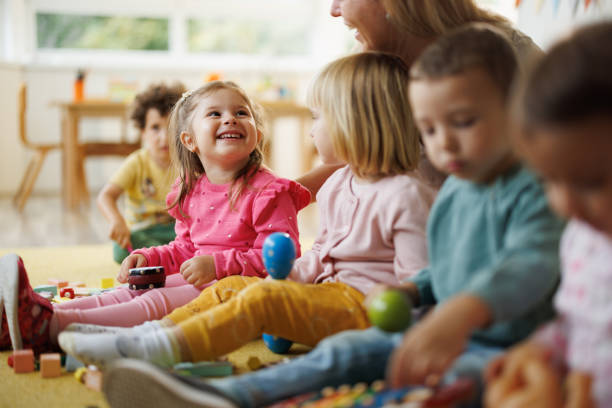
Choosing where your child begins this journey is a decision weighted with care. And rightly so—it’s the beginning of a narrative that will continue to unfold across years and milestones. The best environments don’t just prepare children for the next step in their education; they prepare them for life. They teach resilience, empathy, curiosity, and confidence—the building blocks of a thriving future.
For those seeking a setting where learning is as joyful as it is meaningful, and where young minds are both nurtured and challenged, the answer may be closer than you think. A space where every morning begins with wonder, every afternoon ends in reflection, and every child is reminded that their ideas matter—that is where magic begins.