

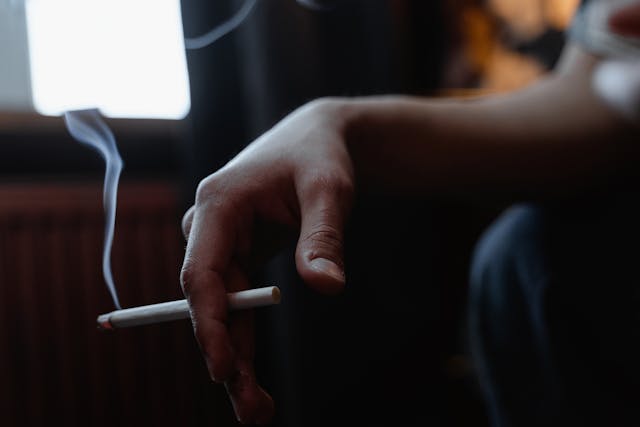
There’s something powerful about deciding to get help. That moment where the denial loses its grip and you realize something’s got to give. Maybe it’s after a string of missed calls from people you love. Maybe it’s just a quiet moment where you catch your reflection and don’t recognize the person staring back. However you get there, that moment matters. And what comes next matters just as much.
Addiction treatment isn’t one-size-fits-all. It doesn’t look the same for someone who’s juggling a high-pressure job as it does for someone in early recovery after years of chaos. The right approach depends on a few things: the substance involved, how long it’s been part of your life, your mental health, your support system, and how willing you are to dig in. This is where it gets personal. The good news? You’ve got options—and some of them are better than you think.
Detox Sets the Tone
If you’re physically dependent on a substance—think alcohol, opioids, or benzos—detox is often step one. It’s the medical equivalent of getting a clean slate. Detox helps you stabilize so you can safely start the real work without your body in full-blown withdrawal. It’s not a substitute for treatment, but skipping it can make things unnecessarily dangerous.
Some detoxes happen in a hospital setting with full medical teams. Others are in smaller, private centers that feel more like recovery lounges than sterile clinics. Either way, detox lasts a few days to a week, max. After that, most people move directly into a program where they can start learning how to stay sober, not just get sober.
PHP Isn’t as Intense as It Sounds—It’s Smarter
Partial Hospitalization Programs, or PHPs, might sound clinical and overwhelming, but in practice, they’re often the sweet spot. You spend your weekdays in treatment, but you sleep in your own bed or in sober housing. It’s like a full-time job for your recovery. You’re getting therapy, group sessions, medication management, and support from professionals who’ve seen it all—but you’re also practicing how to be a person again outside those hours.
PHPs are often recommended for people who’ve already completed detox or inpatient care but aren’t quite ready to fly solo. Think of it as scaffolding. It holds you up while you learn to hold yourself up. The structure is real, and so is freedom.
If you’re looking for alcohol rehab in San Antonio, Nashville or anywhere in the country, PHPs are often the beating heart of effective recovery centers. They let you build momentum without losing the grounding that comes from sleeping somewhere safe and steady. And for anyone juggling family, work, or just life logistics, that kind of balance can be the difference between slipping and actually getting better.
Residential Treatment Offers a Full Reset
There are times when distance matters. Not just miles, but space—from your triggers, your stress, your routines, even your phone if needed. That’s where residential treatment comes in. You move in, unpack your stuff, and start over in an environment built for clarity. It’s not always luxurious, but it’s usually calm, clean, and quiet enough to think straight.
Residential care is especially helpful for people dealing with long-term addiction, repeated relapses, or dual diagnoses like anxiety, depression, or trauma. You’re surrounded by professionals and peers every day, which takes the edge off that lonely, white-knuckle feeling.
Some programs lean clinical. Others bring in yoga, art, equine therapy, even garden work. And some lean into faith-based treatment as a framework. If that’s your language, it can be incredibly grounding. The main point is that you get enough time and space to look inward, something addiction doesn’t usually allow.
Outpatient Treatment Makes Recovery Part of Real Life
Outpatient programs work best when you’re stable enough to handle some daily freedom, but still need regular support. Maybe you’ve been through a higher level of care and just want to keep the momentum going. Maybe you can’t step away from work or childcare for weeks on end, but you’re serious about recovery and need structure that fits around your life.
You might go to therapy a few times a week, check in with a psychiatrist, or attend evening groups. You’re still responsible for your own schedule, but the accountability’s baked in. That can be good pressure.
Outpatient doesn’t mean easy, and it doesn’t mean you’re not trying. If anything, it can be harder, because you’re navigating recovery while staring down your daily stressors. But for people who’ve built some emotional tools and want to stay on track, it’s a solid option.
Virtual Treatment Isn’t a Cop-Out, It’s a Lifeline
There was a time when people side-eyed virtual care like it was the lazy cousin of “real” treatment. That’s over. Online therapy has proven it can work—especially when it’s structured well and led by qualified professionals who know how to connect across a screen.
Virtual IOPs (Intensive Outpatient Programs) are a smart move for people who need flexibility but also want more than just a weekly therapy session. You can attend group therapy, meet with counselors, and even see a psychiatrist, all from wherever you’ve got a decent internet connection. It cuts out commuting stress and makes it easier to stay consistent, especially if you’re juggling a job or family responsibilities.
For rural areas or places without a lot of local treatment options, virtual care might be the only feasible path. That doesn’t make it second-rate. In fact, for plenty of people, virtual treatment is the only reason they’re still sober. When the alternative is doing nothing, a screen starts to look like salvation.
The Parting Word
Choosing the right addiction treatment is about figuring out what kind of support will actually get through to you—not what sounds impressive on paper. You don’t need to white-knuckle it, and you don’t need to fit a mold. Whether you need full-on residential care or just someone to check in with while you rebuild your life, you’re allowed to do what works. The first step isn’t always brave or perfect or pretty. Sometimes it’s just real. And real is where the healing starts.