

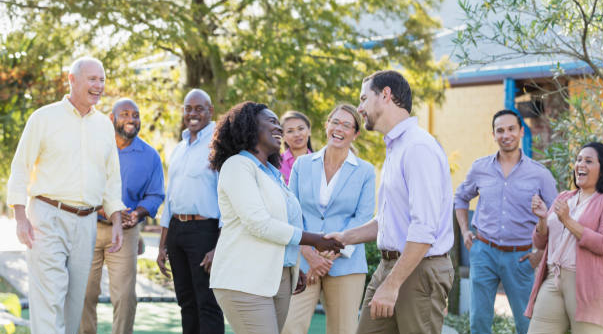
Imagine your town or village planning a new park or repairing the main road. Now picture two different situations. In the first one, the plans arrive already decided and work simply begins. People watch it happen, but they were never part of the conversation.
Local development affects everyday life in simple but important ways. It influences where families spend time, how people move around the area, and what public spaces look like. Because of that, planning should not happen behind closed doors.
That is why community engagement plays such an important role in local development. It is not simply an extra step in the process. It is what often turns ordinary projects into places that people truly value and care for.
When residents are involved early on, the plans that come out of it tend to make a lot more sense for everyday life. People share the small details that outsiders might miss, like which street needs better lighting or which space could become a gathering spot. Because of that input, projects feel more relevant, last longer, and bring neighbors closer together instead of leaving them feeling unheard. In communities where relationships run deep, this kind of involvement helps change happen in a way that still respects the character of the place.
What Does Community Participation in Local Development Actually Mean?
At its heart, community participation simply means everyday residents having a say in how their area grows and changes. It could be the shopkeeper who knows which corner gets too crowded, parents who want safer play spaces for their kids, retirees who spend time in local parks, or young people who use public spaces differently from older generations.
Community involvement can show up in many simple ways. Some residents might join a local meeting to talk about plans for a new road or housing project. Others may share ideas about what a playground should include, help organize a clean up before a community center opens, or point out everyday issues like poor street lighting or bus stops that need shade. At the end of the day, it comes down to one basic idea. The people who live in a place should have a say in how it develops.
Why Does Having Locals Involved Lead to Better Outcomes?
When residents participate, projects match what people truly need instead of what someone far away assumes. A playground might get swings for toddlers if moms point it out early, or a market area might include space for evening chai stalls because shop owners speak up. These tweaks make the final result more useful and loved.
Plus, when people help plan something, they feel ownership. They pick up litter without being told, report broken benches quickly, and teach kids to respect the new space. That sense of “this is ours” cuts down on vandalism and maintenance headaches.
How Does Participation Help During Times of Change?
Whether it’s new housing coming in, roads being widened, or climate challenges like heavier rains, local input makes sure changes don’t erase what makes a place special. Without it, developments can feel imposed—people get frustrated, resist, or just disengage. With participation, even big shifts feel collaborative. Residents might suggest rain gardens to handle flooding or protected spots for street vendors. The end result respects history while moving forward.
How Can You Get Involved Without It Feeling Like Too Much?
Start with something small and easy. If you hear about a project happening in your neighborhood, try stopping by a meeting or sharing a quick thought with the people organizing it. You do not need big ideas. Even a simple suggestion like adding a bench near the bus stop or improving lighting on a dark street can be helpful.
Another nice way to start is by walking around the area with a few neighbors and talking about what could be better. These casual chats often bring out ideas people would never mention in a formal meeting. If you bring along some chai or a few snacks, it quickly turns into a friendly get together instead of a serious discussion.
Quick Insights
- Local voices catch needs outsiders miss
- Ownership means people care for and protect what’s built
- Fun, shared activities build trust faster than formal talks
- Inclusive input leads to fairer, longer-lasting results
- Participation turns “their project” into “our neighborhood”
Frequently Asked Questions
I’m not good at speaking in meetings—can I still participate?
Absolutely. Write your ideas in a note, send a message to the group, or chat one-on-one with someone going to the meeting. Many projects now have online forms or suggestion boxes too. Your thoughts matter even if you say them quietly.
What if officials don’t seem to listen?
Keep showing up consistently and politely. Bring friends so more voices are heard. Share positive examples from nearby areas where participation worked. Sometimes numbers and persistence gently shift things.
Does this really make a difference in smaller villages or towns?
Yes—even more so. In smaller places, one person’s input can change plans noticeably. A suggested shaded waiting area or playground swing can become reality quickly when locals speak up early.
At PLAYCE Studio we train the people who shape community—designers, planners, public leaders, and facilitators—using the proven power of playful placemaking, public participation, and inclusive engagement strategies including stakeholder and client collaboration plus facilitation training and capacity building.
What if you asked one neighbor this week what they’d love to see improved around here? Could be the start of something that really matters.