

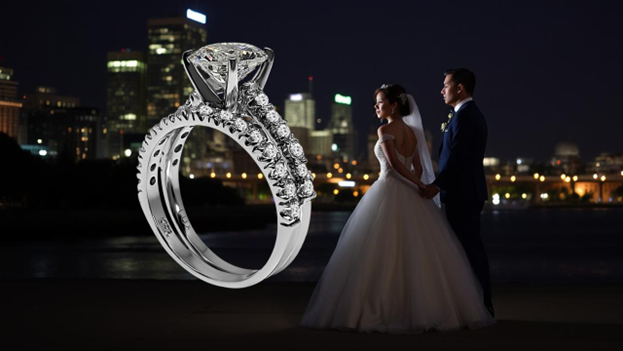
In the past, diamond engagement rings stood for love, commitment, and fortune. For a long time, the “three-month salary” rule was the standard for proposals. This idea was spread via marketing and became part of the culture. This ancient rule is being looked at again as cultural standards and economic conditions change, particularly for Millennials. Millennials who desire anything other than mined diamonds are buying increasingly faux engagement rings. This is a complex issue that is founded on pragmatism, changing ideals, economic realities, and a desire to reconsider what commitment symbols represent in the 21st century. A generation that values honesty, transparency, and experiences above flashy materialism is questioning the diamond market’s unclear prices and history. Now here are all the details that you would need to know about it.
The Truth About Money and Freedom
The severe economic conditions that millennials face are a big reason why they are becoming more interested in faux engagement rings. This generation has had a hard time with money because of things like excessive student loan debt, increasing housing costs, and an unstable job environment. Many Millennials are putting off buying a house and getting married because they don’t have enough money. Spending thousands or tens of thousands on a ring may seem foolish or impossible when compared to preparing for a down purchase, paying off debt, or planning for their future. A false ring gives you extra money for these more important and often more valued financial objectives. When starting a life together, it puts financial stability ahead of an expensive marketing-driven ritual. This financial constraint demonstrates that both people are responsible with their money and that they have a common aim for their life together that goes beyond material things, not a compromise on love. However, there are a number of other factors that are included here. We will be discussing about the values in this case.
Redefining value: ethics, sustainability, and experience
The rise of faux engagement rings is linked to Millennial values that go beyond money. Millennials care more about the environment and other people than their parents did. This generation is concerned about diamonds that are mined in ways that hurt the environment, such conflict diamonds (also known as “blood diamonds”) and exploitative labor practices. Lab-grown diamonds and diamond simulants like moissanite, cubic zirconia, and white sapphires are better options since they have a clearer story about where they came from. Couples may be sure that their token of love doesn’t hurt others or the environment by picking a fake or different stone. Millennials care more about experiences than possessions. They care more about making memories and having experiences than spending a lot of money on a ring instead of a honeymoon, a vacation, or a down payment. But wait, there are more that you would need to know about. In regards to the modern lifestyle, there are certain values that you would need to know about.
Modern lifestyles combine being useful with being safe
People who live in the modern world are active and hands-on, which makes faux engagement rings attractive. Millennials want to do things like play sports, go outside, travel, and work in jobs where wearing expensive jewelry is not safe. A lot of people who wear diamond rings are afraid about losing or breaking them. An inexpensive faux engagement rings makes this worry a lot less. It enables individuals wear their mark of dedication every day without having to take it off for various activities. This peace is worth a lot. Millennials also value travel.