

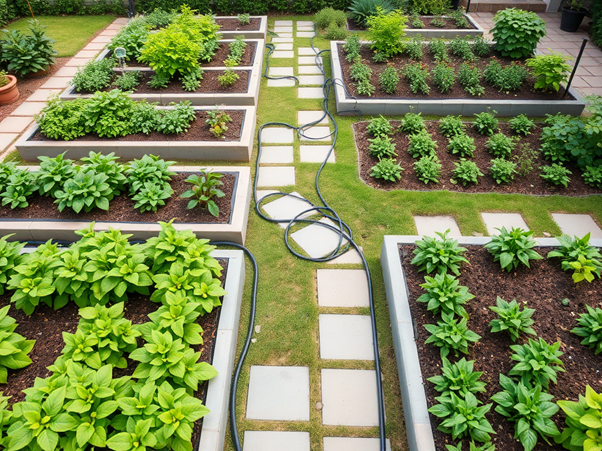
A thoughtfully designed garden does more than look attractive — it lays the foundation for efficient and sustainable watering. From the shape of the beds to the distance between each plant, your layout directly influences how moisture moves through the soil and how effectively it reaches your plants. Without careful consideration, even the best watering habits can fall short.
The way your plants are spaced can create zones of competition or cooperation. Overcrowded areas may lead to roots battling for limited moisture, while well-spaced layouts can help each plant access what it needs without struggle. These physical arrangements are often overlooked, but they hold the key to water-wise gardening.
Understanding How Layout Affects Hydration Patterns
When water is applied to the soil, whether through a hose, a sprinkler, or more advanced watering systems for gardens, it doesn’t distribute evenly on its own. Garden shape, elevation, and even the angle of planting beds can cause water to collect in some areas and drain away from others.
Flat, open spaces often retain water for longer, while sloped or raised beds may need more frequent watering due to faster runoff. Narrow borders or tightly packed containers also present challenges, as they can dry out quickly and require closer monitoring. A well-planned layout ensures every plant receives the right amount of moisture without relying on guesswork or overuse.
The Role of Plant Spacing in Water Absorption
Spacing isn’t just about giving plants room to grow — it affects how water reaches roots and how efficiently the soil absorbs and retains moisture. Crowded beds may limit airflow and trap humidity, increasing the risk of mould and rot. At the same time, plants that are too far apart may cause water to evaporate from bare soil before roots can absorb it.
When plants are spaced correctly for their size and root structure, watering becomes more predictable. Each root system has room to expand and access moisture without conflict, leading to stronger growth and healthier plants. This balance reduces the need for excessive watering and minimises the chance of waste.
Grouping Plants with Similar Needs
Another benefit of paying attention to layout and spacing is the opportunity to group plants by their watering requirements. Placing thirsty varieties together means you can target them with heavier watering without affecting nearby drought-tolerant plants that prefer drier conditions.
This technique, often called hydrozoning, makes it easier to avoid overwatering or underwatering. It simplifies your watering routine and supports the long-term health of your garden, particularly when using timers or automated systems. With better organisation comes better results — and often, less work.
Maximising Efficiency Without Compromising Beauty
Efficient watering doesn’t have to mean a compromise on appearance. With careful planning, garden beds can be both visually pleasing and functionally effective. Pathways between beds can help direct water, while raised sections and edging can be used to control runoff and encourage deep soaking.
Small adjustments in how you arrange plants, place containers, or divide garden zones can lead to significant improvements in how your garden retains and uses water. These changes don’t require complex tools or expensive upgrades — just an awareness of how layout and spacing influence water distribution.