

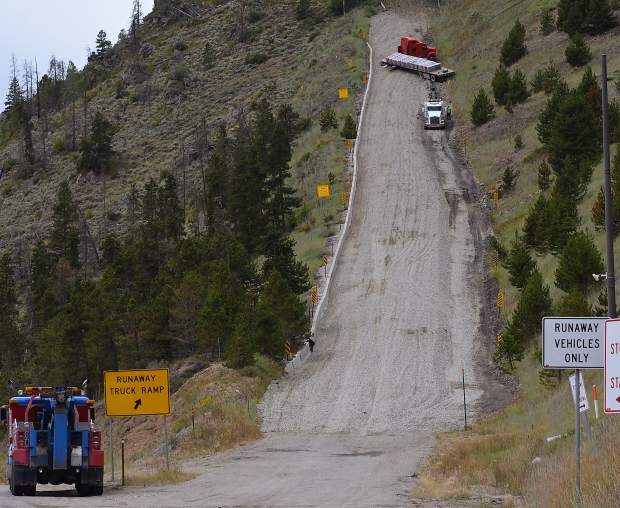
According to the National Highway Traffic Safety Administration, thousands of accidents each year occur near and on U.S. highway entrance and exit ramps. These crashes result in numerous injuries, hundreds of fatalities and extensive property damage. Rear-end, rollover and run-off crashes are the most common types.
Exit ramps pose the highest risk. When asked, many people cite weather conditions that affect visibility and make road surfaces slippery as the primary causes of crashes. Yet, human-related factors increase the frequency of exit ramp accidents. What are those factors?
The Dangers of Highway Traffic Congestion
Exit ramps are usually found right after on-ramps. Drivers must attempt to safely navigate merging traffic and then move into the proper lane for their exit. This process can create a bottleneck and jam vehicles near ramps. The backup sometimes begins before the ramps. On one-way highways with two or more lanes, factors like rush hour, accidents after the ramps, and road repair work can make it even harder for drivers to reach exit ramps.
Accidents happen under these conditions for the following reasons:
– Drivers can’t anticipate and react fast enough to the decisions and moves of other drivers, respectively.
– Multiple drivers have difficulty navigating extensive and sudden traffic flow changes in narrow spaces.
– Small and mid-sized vehicle drivers struggle to work around direct blind spots and poor peripheral views caused by large trucks and SUVs.
Under these conditions, all drivers are more likely to make bad decisions. They’re also at risk of experiencing related anxiety and stress. Some drivers cause accidents in congested traffic by reacting to this kind of high-tension situation with anger and aggression as well.
The Role of Infrastructure Problems
Traffic alone doesn’t cause highway congestion or other conditions that cause frequent exit-ramp crashes. Poorly maintained and designed highways and ramps increase the risk of accidents.
For example, road construction does more than back up traffic. It can cause a driver to miss their exit or become stuck taking a long or stressful detour. Ramp closures have the same impact. A pothole near an exit ramp can distract a driver. Any split-second distraction can cause them to miss their exit or vehicles stopped in front of them.
Some highway and ramp engineers and construction crews also make critical mistakes that affect crash frequency. For example, they fail to create long enough merge lanes or make ramps too curved, short or steep. They also fail to prepare drivers enough for dangerous blind spots.
Engineers who calculate the best locations for lights and signage sometimes install these elements in the wrong places, which results in missed instructions and ramps. Drivers fail to receive enough warning about appropriate speeds, upcoming tight curves, environmental hazards like falling rocks, and other potential risks. They might not yield or speed up enough, or even drive off or tip over the side of a road or ramp. In hundreds of past crash cases each year, people drove accidentally in the wrong direction on ramps.
Vehicle Mechanical Issues Near Turnoffs
Of course, exit ramp crashes also happen because of vehicle-related issues. A vehicle might have a hidden defect that a driver doesn’t know about, such as a sub-optimal part that somehow passed inspection. If the manufacturer hasn’t issued a recall or warning notice, or the driver missed the alert, then a crash can happen for no other reason than the part failed near or on a ramp.
In addition, engine, tire and undercarriage damage can occur from road and environmental debris. Drivers must also swerve around debris. Common debris includes anything that falls off a vehicle, like cargo, metal hardware, shreds of tire tread, window glass, and any general parts. In some cases, pieces come from crashes that road crews failed to clean up properly. Glass bottle pieces and other trash can also cause damage. Common environmental debris includes branches, rocks and hail.
Drivers who fail to maintain their vehicles also cause ramp-related crashes. On- and off-ramps put a lot of wear and tear on specific parts, such as the brakes, engine and tires. If a driver hasn’t kept up with recommended non-yearly inspections and maintenance, they might suffer a sudden breakdown while driving. For example, they might lose control of their brakes, a tire might blow out, or the engine might overheat while they’re rounding an exit ramp curve.
Bad Driving Behaviors That Stand Out
Lastly, drivers often perform actions unrelated to traffic conditions that directly result in off-ramp crashes. These drivers act in risky ways in situations that require their full attention and multiple safety strategies.
For example, they cut too close in front of other drivers, miss an important warning sign or stopped traffic, or bypass a ramp entirely while trying to answer a call, eat food, or interact with their navigation system’s touch screen. If they miss their exit, they might attempt to cross the barrier between highways to turn around. In some cases, they don’t sleep enough before travel or take enough breaks at highway rest stops and then fall asleep while approaching or driving on a ramp.
When drivers aren’t paying enough attention or fall asleep, they cause crashes in a wide variety of ways. They might force a merging car to crash into them, rear-end a stopped car, or fail to slow down when driving into a curve. They might travel so fast behind a large long-haul truck that they rear-end the trailer, and their vehicle slides under it. If they’re exiting an exit ramp too fast, they might slam into another passenger vehicle or slide under the side of a truck’s trailer.
Although many ramp crashes are entirely preventable, both preventable and non-preventable ones often take place, and victims and their loved ones suffer. They struggle with high vehicle repair or replacement costs and healthcare expenses, related lengthy processes for claims and other losses. They must often attempt to heal and rebalance their lives while fighting for assistance. For these reasons, the assistance of an experienced car accident attorney is the best option to help victims receive compensation and other forms of support during this stressful time.