

My neighbor spent an entire Saturday trying to fix a leak under his kitchen sink. He watched four videos, bought parts from two different hardware stores, and spent about sixty dollars on supplies. By evening, the leak was smaller but not gone, and there was a new soft spot developing in the cabinet floor directly underneath where he had been working. He called a plumber on Sunday morning. The plumber found the actual source of the problem in about eight minutes. It was not where my neighbor had been working at all.
That story is more common than most people want to admit. The instinct to handle things yourself is understandable. It feels like the responsible, cost-conscious choice. And for some jobs, it genuinely is. But plumbing is one of those trades where the gap between what something looks like and what is actually happening can be surprisingly wide. The visible drip is often not the origin point of the problem. And working on the wrong spot while the real issue continues is how small repairs become expensive ones.
Whether you are dealing with something minor or staring at a genuine plumbing emergency, knowing when to bring in a professional makes a real financial difference. A trusted Plumber Near Me is not a luxury call. For most homeowners, it is simply the smarter one.
The Real Difference Between DIY and Professional Plumbing
There is a version of plumbing DIY that works well. Replacing a showerhead. Swapping out a toilet flapper. Tightening a supply line that has started to weep slightly. These are genuinely accessible tasks for someone with basic tools and a little patience, and there is no reason to pay a call-out fee for them.
But the category of jobs that fall into that zone is smaller than most homeowners assume. The moment a problem involves anything inside the wall, below the floor, connected to the main supply or sewer line, or touching the water heater, the situation changes meaningfully. Not because those jobs are impossibly complex, but because the consequences of doing them incorrectly are disproportionately large compared to what you might save on labor.
What a Licensed Plumber Actually Brings to a Job
A licensed plumber is not just someone who knows how to use a wrench. They have completed formal training, passed regulatory exams, and in most states carry both a license and liability insurance. That insurance matters more than people realize. If a repair they make causes subsequent damage to your property, their coverage addresses it. If you make that same repair yourself and it causes damage two weeks later, that conversation with your home insurance company tends to go quite differently.
Beyond the credentials, plumbing experts bring diagnostic experience that is genuinely hard to replicate. They have seen the same failure patterns dozens or hundreds of times. They know what a slow drain in the kitchen combined with a gurgling bathroom sink usually means. They know which water heater sounds suggest sediment buildup and which ones suggest something more urgent. That pattern recognition is what catches the real problem instead of just the visible symptom.
Common Mistakes Homeowners Make When Going It Alone
These are not criticisms. They are patterns that show up repeatedly in homes where DIY plumbing attempts have made things more complicated than they needed to be. Recognizing them is useful whether you plan to DIY or not.
Fixing the Symptom Instead of the Source
This is what happened to my neighbor. The drip under his sink was coming from a joint that had been slowly failing for months. The water he was seeing had traveled along the pipe from a connection further back before pooling at the visible spot. Replacing the fitting closest to the drip did not address the failing connection behind it. The problem continued and caused additional damage while he thought it was resolved.
Using the Wrong Materials
Plumbing involves more material compatibility than most people realize. Certain pipe materials cannot be directly connected without a dielectric union. Some thread sealants degrade specific types of plastic fittings. Using the wrong type of tape on a gas-rated fitting is a meaningful safety issue. These are not obscure technical details: they are the kind of thing a plumber knows automatically, and a first-time DIYer has no particular reason to know at all.
Undertightening or Overtightening Fittings
Both cause leaks. Undertightening is obvious. Overtightening is more insidious because it often feels like the right thing to do in the moment, and the crack or stripped thread it creates may not leak immediately. It might hold for two weeks and then fail at three in the morning when nobody is home. Such a scenario happens constantly in DIY plumbing work, and the repair, when it does fail, is usually more involved than the original job would have been.
Cost Comparison: DIY Versus Hiring Plumbing Experts
The financial case for DIY plumbing is real but narrower than the initial numbers suggest. Here is an honest side-by-side look at how the costs actually compare across different types of jobs.
| Situation | DIY Cost Range | Professional Cost Range | Risk if DIY Goes Wrong |
| Toilet flapper replacement | $3 to $8 | $80 to $150 | Very low. Safe to DIY. |
| Leaking pipe under the sink | $15 to $60 | $100 to $250 | Moderate. Easy to miss the true source. |
| Water heater repair | $40 to $120 in parts | $200 to $500 | High. Warranty void; safety risks. |
| Sewer line blockage | $30 to $80 in tools | $150 to $400 | Very high. Sewage backflow; health risk. |
| Burst pipe repair | $20 to $80 | $200 to $600 | Extreme. Structural water damage is mishandled. |
The pattern is consistent. For simple, self-contained jobs, the DIY savings are real, and the risk is manageable. As complexity increases and the connection to other systems deepens, the cost of a failed DIY attempt reliably exceeds what the professional would have charged in the first place.
“The jobs where homeowners save money by going DIY and the jobs where they end up spending twice what they would have are not always easy to tell apart from the outside. That is precisely the problem.”
When to Call Plumbing Experts Immediately
Some situations are not judgment calls. Some plumbing emergencies require a professional on-site as quickly as possible, and the faster that call gets made, the better the outcome tends to be. These are the ones that should not wait:
- Water is coming from inside a wall, ceiling, or floor without a visible surface source
- More than one drain in the house is backing up or draining unusually slowly at the same time
- Is there any smell of sewage anywhere inside the home
- The water heater is leaking from the tank body or making sounds that are new and loud
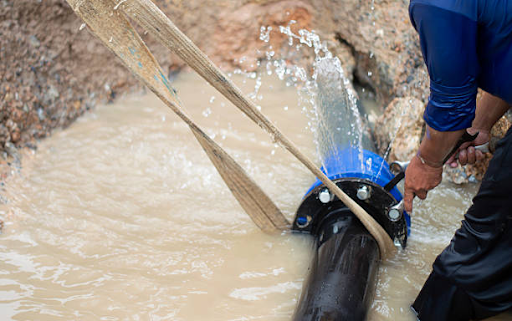
- A pipe has visibly burst or is spraying water
- There is a drop in water pressure across the whole house, rather than just one fixture
- Any situation involves a gas line being near the area of concern
- You have attempted a repair, and the problem has gotten worse or spread
In any of these situations, the first move is to shut off the main water supply and then make the call. 247plumbernearme.net is built for exactly this: finding a licensed, available plumber near your location quickly, at any hour of the day or night, without having to scroll through outdated directories or wait until a business opens Monday morning.
Long-Term Benefits of Professional Plumbing Services
There is a short-term view of hiring a plumber and a longer one. The short-term view is purely about the invoice for today’s job. The longer view accounts for what that job prevents, what it protects, and what it adds to the overall health and value of the home.
Problems Caught Before They Become Expensive
A good plumber does not just fix the thing they were called for. They look at what is around it. They notice the pipe fitting that is showing early corrosion. They catch the water heater that is running less efficiently than it should. They spot the slow drain that has not become a full blockage yet but will within a few months. That incidental awareness, the byproduct of a trained eye moving through your home’s plumbing system, has real financial value even when it does not show up on the invoice.
Work That Holds Up Over Time
A professionally repaired pipe joint does not need to be revisited in six months. The work is done correctly once, and it stays correct. The DIY repair that was almost right has a tendency to resurface, often at an inconvenient moment, and often requiring more work than the original fix because the area around it has now been disturbed and may have additional wear or damage.
Documentation That Matters for Insurance and Resale
Licensed plumbers provide records of their work. When you sell a home, buyers and their inspectors ask about plumbing work that has been done. A record of professional repairs is an asset. A history of unlicensed DIY work in the walls and under the floors is a negotiating liability. The paperwork from a professional job has real monetary value that most people do not think about until they are sitting at a closing table.
The Bottom Line on Going Professional
Nobody is suggesting you call a licensed plumber every time a faucet drips. There are simple jobs that are genuinely worth handling yourself, and knowing how to do them is a practical skill. But the honest answer for most homeowners, usually, is that professional plumbing work pays for itself in ways the invoice does not fully capture: in problems that do not reappear, in damage that does not happen, in the quiet confidence of knowing the repair was done right.
When something goes wrong that goes beyond a basic fix, the time spent trying to figure it out yourself is rarely a beneficial trade. The plumber who arrives, diagnoses it in ten minutes, and fixes it correctly the first time is almost always the less expensive option once you add up the full picture. That is not marketing copy. That is just the math of how these situations tend to play out in real homes